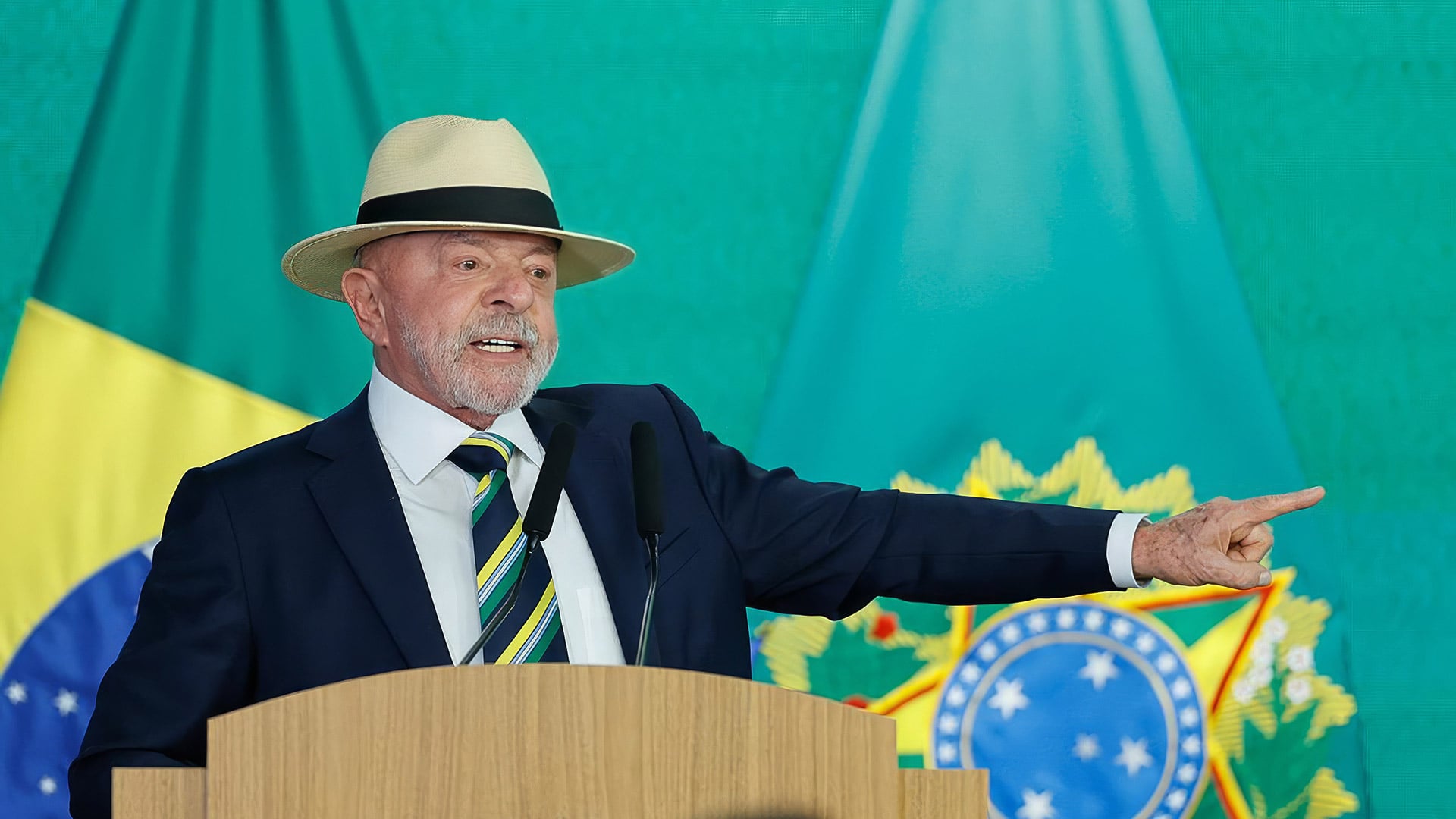
The recent prohibition on fixed-odds betting and online casinos in Brazil has raised significant legal and financial issues. Following the announcement of Provisional Measure No. 1.394/2026, there has been a notable surge in illegal betting websites.
According to monitoring platform Bet Legal, 428 new illegal betting sites emerged between the announcement and Sunday, September 27, averaging around 143 new sites each day. During the period from September 21 to 24, when President Luiz Inácio Lula da Silva hinted at a ban, 246 new sites were recorded, translating to approximately 62 daily. In contrast, the Associação Nacional de Jogos e Loterias (ANJL) had previously noted an average of 13.7 new illegal domains per day from June to August.
This spike in illegal activity has raised questions about the government's ability to enforce regulations. The Prizes and Betting Secretariat in Brazil currently has only four employees tasked with overseeing nearly 200 authorized websites and countless illegal operators.
Of the R$1 million allocated for betting and lottery regulation in 2026, only R$275,600 has been utilized so far. LCA Consultores estimates that illegal betting operators hold between 38% to 44% of the market share, while a staggering 77% of 2,291 surveyed bettors admitted to using illegal platforms.
The ban also eliminates crucial regulatory protections, such as facial biometrics, age restrictions, credit card bans, self-exclusion options, deposit limits, and daily blocking for Bolsa Família and BPC beneficiaries. These protective measures do not extend to illegal betting sites.
The decision carries significant fiscal implications as well. The proposed budget for 2027 anticipates R$5.3 billion ($1 billion) in revenue from the betting sector. Between January and August 2026, the Federal Revenue Service collected R$9.9 billion ($1.9 billion) from the industry, marking a 69% increase in real terms compared to the same timeframe in 2025.
Operators are planning to challenge this decision in the Federal Court of Accounts, arguing that the measure sacrifices revenue without offering any budgetary compensation. Current market estimates suggest that the existing regulations could yield R$10.8 billion ($2 billion) in federal taxes, while a proposed Selective Tax might have generated an additional R$2 billion ($380 million) annually.
Legal actions are also on the horizon. Brazil's 85 licensed operators each paid R$30 million ($5.75 million) for five-year concessions, totaling R$2.55 billion ($490 million), which the government has stated will not be refunded. Approximately 180 industry executives and lawyers are considering a joint action before the Supreme Court, as reported by O Globo.
The ramifications of this ban extend to the football industry and broadcasting as well. Betting companies invested around R$1.03 billion ($200 million) in Série A in 2025. Flamengo, for instance, receives R$268.5 million ($51.47 million) annually from Betano, while Fluminense has been alerted by Superbet regarding the potential termination of a R$58 million ($11 million) yearly deal.
Several betting firms, including Betano, Novibet, Superbet, and Esportes da Sorte, have announced the cancellation of their television contracts. Regulated betting companies spent R$23.6 billion ($4.5 billion) on media from January 2024 to August 2026, with 74% of that expenditure directed towards television in 2025.
The timing of the measure, introduced just nine days before the first round of elections, has drawn criticism. Its electoral impact remains uncertain; a survey by the Ideia Institute, referenced by Valor, indicated that only 2% of respondents viewed gambling as the primary cause of their debt. New polling from Quaest, Nexus, and Datafolha is anticipated to gauge public sentiment regarding the ban ahead of the first-round vote.