The Massachusetts Gaming Commission (MGC) has received numerous inquiries from residents seeking assistance with disputes on prediction market platforms, highlighting widespread confusion about regulatory oversight in the state. The issue has come to light following recent congressional testimony and statements from MGC officials, who reported that dozens of consumers have contacted the commission for help with platforms outside its jurisdiction.
Consumers Seek Help From Wrong Regulator
According to an MGC spokesperson, the commission has seen a steady stream of emails from Massachusetts residents looking for intervention in prediction market disputes. However, the MGC is unable to assist, as these platforms fall under federal oversight, specifically that of the Commodity Futures Trading Commission (CFTC). The spokesperson noted that when such inquiries are received, consumers are redirected to the CFTC, but it remains unclear how many of these cases involve actual disputes or what outcomes, if any, result from federal intervention.
Blurring Lines Between Sportsbooks and Prediction Markets
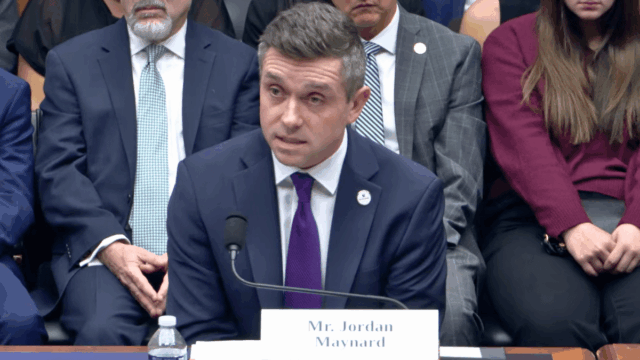
Testimony from MGC Chair Jordan Maynard to Congress underscored the confusion: to consumers, prediction market platforms often appear indistinguishable from state-licensed sportsbooks, despite operating under different rules and regulatory frameworks. This similarity can lead consumers to mistakenly believe that state authorities can resolve issues with these platforms. Maynard pointed out that this regulatory gap means customers may not receive the same protections or recourse as they would with licensed sportsbooks in Massachusetts.
Regulatory Gaps Impact Operators and Affiliates
This situation creates challenges for operators, affiliates, and regulators alike. Licensed sportsbooks in Massachusetts are subject to strict oversight, including penalties and requirements to return funds to customers in cases of error. In contrast, prediction market platforms, regulated federally, are not held to the same state standards. This disparity can affect consumer trust and complicate the competitive landscape for state-licensed operators and their affiliate partners. It also increases pressure on regulators to clarify the boundaries of their authority and educate the public on where to seek help.
Differences in Product Restrictions and Age Limits
The regulatory divide extends to product offerings and age restrictions. Massachusetts prohibits sportsbooks from accepting proposition bets on individual college athletes and limits participation to those 21 and older. Prediction market platforms, however, may offer contracts on college players and often allow participation from adults as young as 18. This leads to scenarios where individuals barred from state-regulated betting can access similar products through federally regulated exchanges, raising concerns about consumer protection and responsible gambling.
Key takeaways
- Massachusetts regulators are fielding numerous consumer inquiries about prediction market disputes, despite lacking jurisdiction.
- Confusion persists because prediction markets often resemble licensed sportsbooks to users, but are regulated federally.
- Operators and affiliates face a fragmented regulatory environment, impacting consumer trust and competitive dynamics.
- Divergent rules on product offerings and age limits highlight gaps in consumer protections between state and federal oversight.