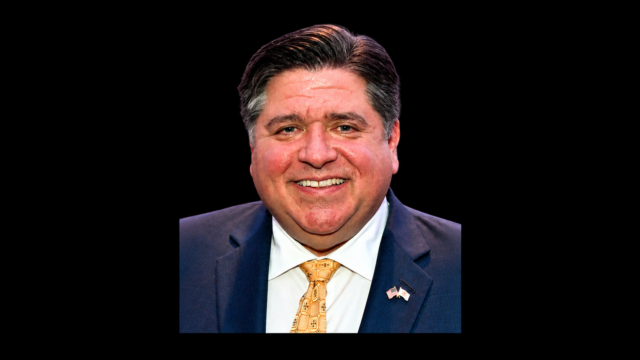
Advocates for responsible gaming are celebrating the recent approval of Senate Bill 2749 by Illinois Governor J.B. Pritzker. This legislation officially acknowledges gambling disorder as an addiction under state law.
The bill, which took effect immediately following Pritzker's signature on July 24, marks a significant victory for those advocating for support for problem gamblers. With this new classification, the Illinois Department of Human Services (IDHS) will be empowered to enhance its outreach, training, and recovery initiatives aimed at individuals affected by gambling-related issues.
Senator Julie Morrison, the bill's sponsor, emphasized that this recognition will facilitate more effective assistance for those adversely impacted by gambling. She stated, “We recognize disorders like alcohol and drug dependencies in our laws, and we are providing various support mechanisms for these individuals. However, we have not extended this recognition to gambling, which is what this bill addresses. It acknowledges that gambling addiction is a legitimate disorder that also requires support.”
Statistics from IDHS reveal that approximately 3.8% of adults in Illinois are estimated to have a gambling problem, with an additional 7.7% at risk of developing one.
Senate Bill 2749 received overwhelming bipartisan backing, passing the House with a vote of 100-11 and the Senate unanimously at 57-0. The legislation amends Illinois’ Substance Use Disorder Act to incorporate gambling disorder alongside other substance-related disorders, enabling the establishment of programs focused on prevention, early intervention, treatment, and recovery for gambling issues.
The IDHS is directed to work with educational institutions, manage a toll-free hotline and website, and provide grants for local programs. The department is also tasked with creating a problem gambling statement that must be displayed by licensed gambling venues and sports betting operators.
While the timeline for implementing these changes remains unclear, the bill does not allocate specific funding for support. Nonetheless, lawmakers have designated $15 million for fiscal year 2026 for gambling treatment and prevention, which is about $4.2 million more than the previous year.
Despite this increase, advocates highlight that the funding is a mere fraction of the gambling tax revenues generated. In the past year, Illinois recorded gambling losses exceeding $7.7 billion, resulting in over $2.6 billion in tax revenue, yet only 0.1% of this amount was spent on addiction treatment.
Currently, there are only 58 certified counselors specializing in problem and compulsive gambling in Illinois, and these professionals are often scarce in underserved communities.
Morrison has previously attempted to introduce similar legislation in 2024 and 2025, but those efforts did not succeed. She noted, “Gambling addictions have long troubled residents and families throughout Illinois, leading to financial ruin and enduring mental health challenges. By officially classifying gambling as a disorder, we can begin to address these critical issues through the Department.”