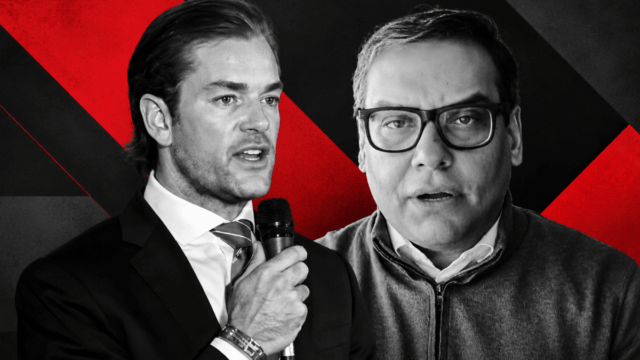
Former congressman George Santos has accused prediction market operator Kalshi of instructing paid political influencers not to disclose their sponsorships, raising concerns about transparency in the run-up to the midterm elections. Santos made these allegations during a podcast discussion with former Virginia Senate candidate Mark Moran, who also shared grievances about Kalshi's disciplinary actions.
Allegations of Concealed Influencer Partnerships
Santos claimed to have seen text messages from Kalshi staff directing influencers to post paid promotions as if they were regular social media commentary, particularly on X. He contrasted this with rival operator Polymarket, which he said required disclosure of paid partnerships. Santos, who was banned from Kalshi after trading on his own attendance at the State of the Union, argued that these alleged practices could merit scrutiny from both the Federal Trade Commission and Federal Election Commission, especially during an election cycle. However, he did not provide the messages or identify those involved, and the claims have not been independently verified.
Disciplinary Dispute With Mark Moran
Mark Moran recounted his own dispute with Kalshi, which began after he placed a $100 bet on himself in a market the company had added at his request. Moran said Kalshi initially proposed a one-year suspension and an $800 fine, but raised the penalties to a five-year ban and over $6,200 after he refused to make a public statement about the case. Kalshi’s published findings confirm the final penalties but do not corroborate Moran’s account of the negotiations. Moran has challenged Kalshi’s actions in court, claiming the company acted in bad faith.
Further Allegations of Paid Publicity
Moran also alleged that Kalshi paid influencers to promote clips about its disciplinary actions, including his own case, at a rate of $8 per 1,000 impressions. He did not provide evidence or identify the influencers involved. These claims add to broader questions about how prediction market operators use paid content to shape public perception and enforce compliance.
Why This Matters for the Industry
The allegations against Kalshi highlight potential regulatory and reputational risks for prediction market platforms, especially regarding transparency in influencer marketing and handling of disciplinary cases. Operators and affiliates could face increased scrutiny from federal and state regulators if paid promotions are not properly disclosed, particularly in politically sensitive contexts. The disputes also underscore the importance of clear compliance procedures and transparent communication with users to maintain trust and avoid legal challenges.
Key takeaways
- George Santos alleges Kalshi instructed influencers to hide paid promotions.
- Mark Moran claims Kalshi increased his penalties after he refused to make a public statement.
- Both sets of allegations raise questions about transparency and compliance in prediction markets.
- Operators may face regulatory scrutiny if influencer partnerships are not clearly disclosed.