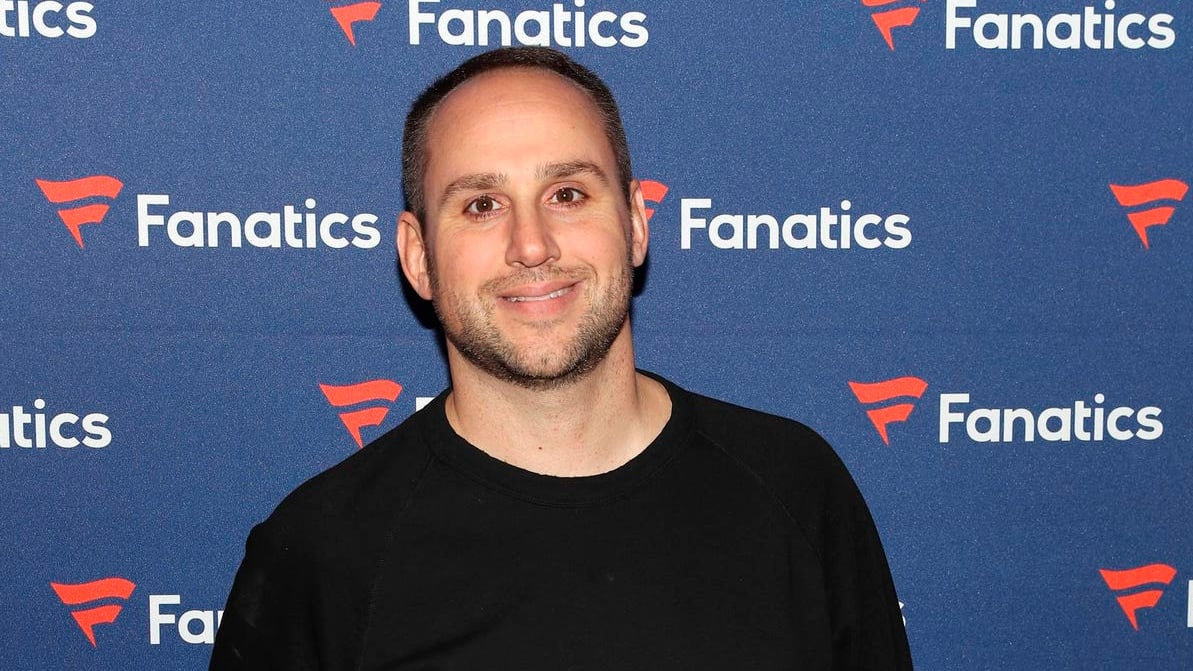
Fanatics is gearing up to invest between $800 million and $1 billion in marketing for its betting and gaming operations by 2027. This move, spearheaded by CEO Michael Rubin, aims to close the competitive gap with industry giants FanDuel and DraftKings, as well as emerging players in the prediction market space like Kalshi and Polymarket.
The anticipated marketing expenditure marks a significant increase from the $350 million allocated this year. Fanatics is projecting around $2 billion in free cash flow by 2026 and currently holds approximately $1 billion in net cash without any debt. A marketing budget of $1 billion would represent half of this year's expected free cash flow.
Rubin expressed to Bloomberg, “We’re going to invest significantly more in marketing next year than we initially planned because we are focused on closing the gap and expanding our market share.”
Looking ahead, Fanatics anticipates generating about $14 billion in total revenue for 2026, reflecting a 40% growth from the previous year, with approximately $2 billion expected from sports betting alone. Since entering the betting sector in 2023, the company has managed to capture 10% of the market.
Currently, Fanatics Sportsbook operates in 23 states, while Fanatics Casino is available in four. Legal sports betting is permitted in 39 states and Washington, D.C., with seven states having legalized online casinos; Maine is on track to become the eighth.
Rubin noted that growth in established regulated markets has started to stagnate. He remarked, “Revenue on a per-state basis has hit a wall in fully regulated states like Pennsylvania, New Jersey, or New York. Additionally, new states are adopting regulations at a slower pace than anticipated, and prediction markets are emerging unexpectedly.”
Fanatics Markets, which launched in December 2025, opens doors to markets such as California, Florida, Georgia, and Texas. Unlike traditional state gambling regulators, sports event contracts are overseen by the Commodity Futures Trading Commission. Notably, California, Georgia, and Texas have yet to legalize sports betting, while Florida's market is dominated by Hard Rock Bet.
Reflecting on the past year, Rubin stated, “If we had predicted sports betting in California, Texas, Florida, and Georgia a year ago, it would have seemed impossible. Yet here we are now.”
This year, Georgia lawmakers reviewed H.R. 450, but the proposal fell short with a vote of 63-98 in the House, lacking the required 120 votes. Rubin, who owns 31% of Fanatics and possesses a supermajority, emphasized that the company's private ownership allows for greater flexibility. Fanatics has also secured $4 billion in funding from investors like Clearlake Capital, SoftBank, and Silver Lake.
“The betting and gaming landscape will become increasingly complex by 2027, not only due to the entry of Kalshi and Polymarket but also because Fanatics will be competing at the same investment level as FanDuel and DraftKings,” Rubin concluded.