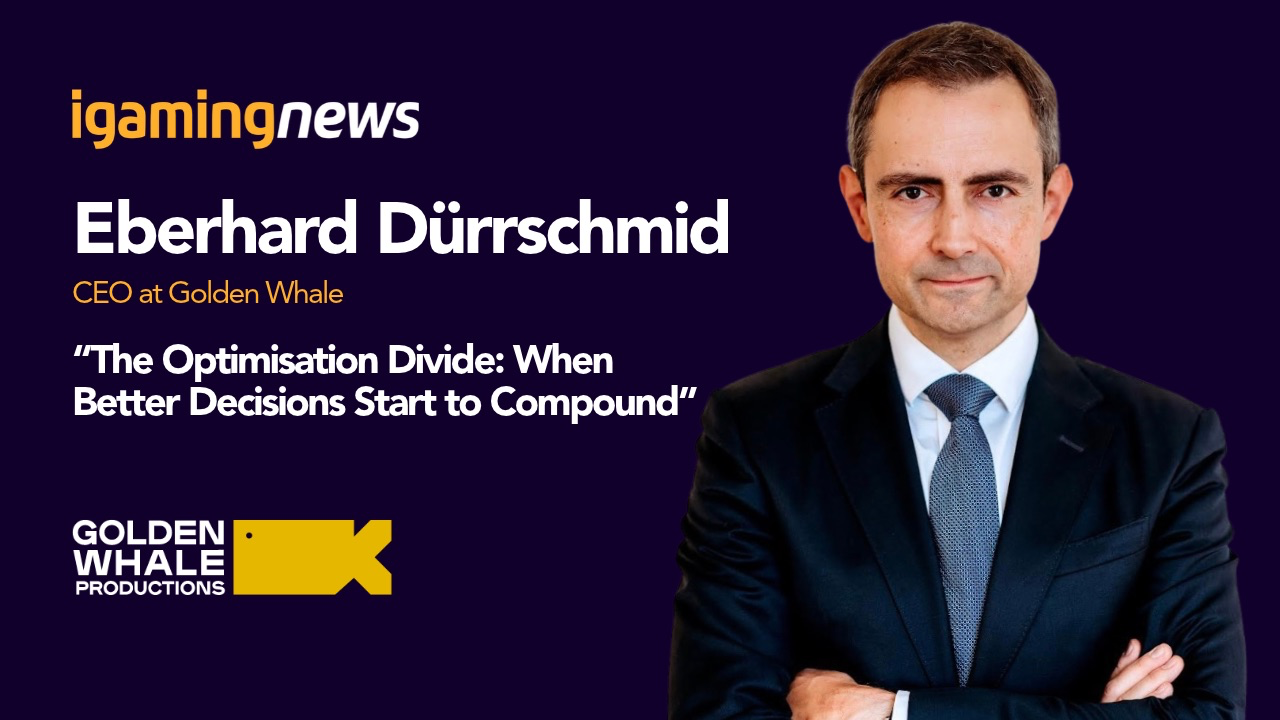
iGaming operators are increasingly separated by their ability to turn data into fast, effective decisions, according to a recent analysis of industry trends. The so-called 'optimisation divide' is widening between businesses that can rapidly test, learn, and act, and those still reliant on slower, manual processes.
Why the optimisation divide matters
The difference is not just about having access to data, but about how quickly and reliably that data can be used to inform decisions. While a single improved retention strategy may have limited impact, thousands of small, optimised decisions across areas like incentives, engagement, and personalisation can collectively shift a company’s overall performance. Faster learning cycles allow improvements to build on each other, compounding benefits over time.
Barriers to effective optimisation
Many operators have invested in dashboards and behavioural data, but these tools do not guarantee action. The main challenge lies in bridging the gap between insight and execution—specifically, in developing mechanisms that transform automated insights into automated actions, and then learning from those actions. Traditionally, advanced optimisation has required specialist data science teams, but even with machine learning tools, decision quality and speed often remain bottlenecks.
Democratising optimisation through modular solutions
Emerging approaches aim to make optimisation more accessible by breaking it into modular, targeted solutions. For example, rather than waiting for a comprehensive internal capability, operators can deploy focused optimisation tools—such as those offered by Golden Whale’s Smart Functions Library—to address specific operational challenges. This modular strategy allows for experimentation and incremental improvement without overhauling entire systems, enabling human teams to set goals while machine learning handles complex, high-volume optimisation tasks.
Implications for the industry
For operators, affiliates, and suppliers, the shift towards democratised optimisation means that technological scale is becoming less of a competitive advantage. The ability to shorten feedback loops and reliably convert insights into actions is now a key differentiator, regardless of company size. As advanced optimisation becomes more widely available, businesses that can continuously learn and adapt will be better positioned to sustain improvement and respond to evolving market conditions.
Key takeaways
- Operators are increasingly divided by their ability to act quickly on data-driven insights.
- Continuous, modular optimisation can compound small improvements into significant business gains.
- Barriers remain in turning insights into action, but modular tools are lowering entry points.
- Faster feedback loops and learning cycles are becoming critical for sustained competitive advantage.