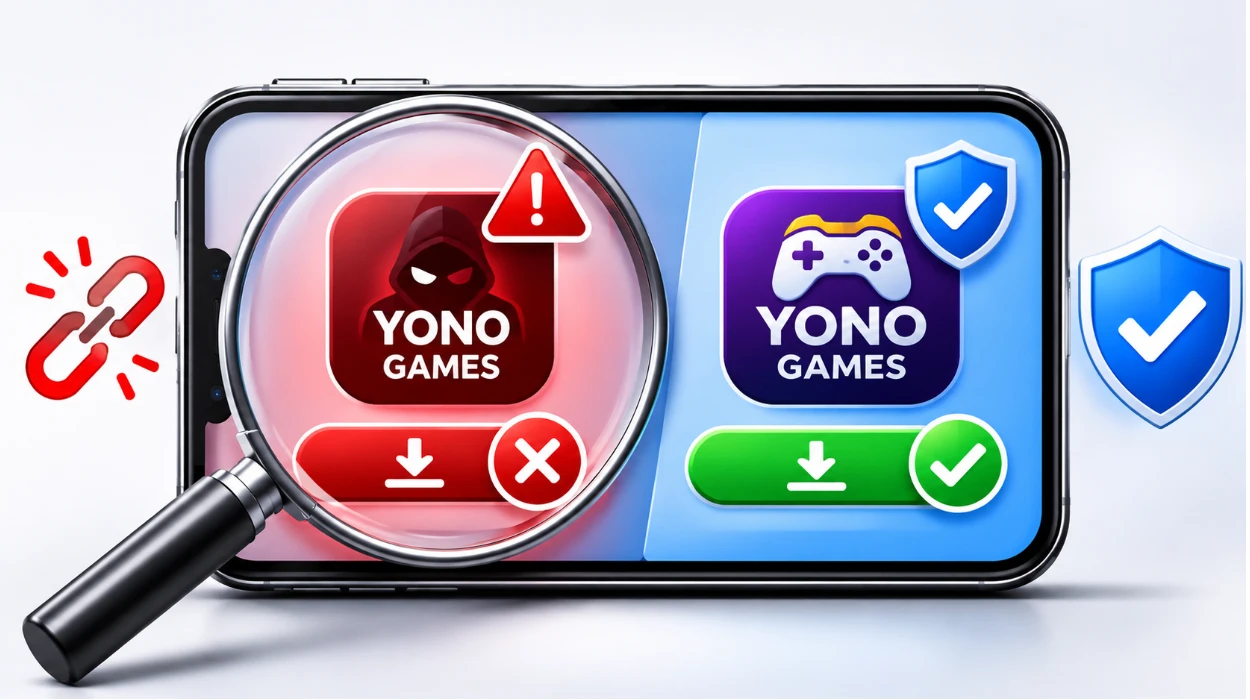
Operators and affiliates in the online gaming sector face persistent challenges from fraudulent apps imitating established brands like Yono Games. These copycat applications often closely resemble genuine products, making it difficult for users to distinguish between legitimate and fake offerings. Understanding how to identify and avoid these fraudulent apps is crucial for industry professionals and end-users alike.
Key Indicators of Fake Yono Games Apps
Fraudulent gaming apps frequently mimic the names, colours, and descriptions of their legitimate counterparts. Some may use familiar logos, similar screenshots, or nearly identical registration forms. Websites distributing these apps might use domain names that are only slightly different from official sites, sometimes adding extra letters or words to mislead users. Redirects to unrelated sites, download buttons that open multiple advertising tabs, and requests for account details before providing information are all red flags.
It's important to note that the presence of a padlock symbol (HTTPS) in the browser does not guarantee the authenticity of a website. Users should compare website addresses and app details with information published by the confirmed developer to verify legitimacy.
Verifying App Developers and APK Files
One reliable method for identifying authentic gaming apps is to check the developer’s name, support details, privacy policy, and company information. These should be consistent across the app and the operator’s website. Additionally, the Android package name, which uniquely identifies each application, can help confirm authenticity—though it should be used as supporting evidence rather than the sole criterion.
When dealing with APK files, users should scrutinize the file’s origin and details. Filename alone is not enough to confirm authenticity. Comparing the version and package identifier with data from the official developer is recommended. Users should be wary if instructed to disable security protections or ignore malware warnings during installation.
App Permissions and Redirect Risks
Permissions requested by an app can provide insight into its legitimacy. While some permissions are necessary for functionality, requests for access to SMS, contacts, accessibility services, notifications, or device administrator privileges should be examined closely. If an app demands access unrelated to its features or refuses to function without it, this is cause for concern.
Redirects from download links to unrelated sites or those requesting sensitive information—such as banking details, one-time passwords, or payment before inspection—should be treated with caution. Legitimate APK installations do not require users to provide banking PINs or share OTPs.
Why This Matters for the Industry
The proliferation of fake gaming apps undermines trust in legitimate operators and can expose users to financial and data security risks. For operators and affiliates, maintaining clear communication about official download channels and developer information is essential. Suppliers and regulators must also remain vigilant, as fraudulent apps can damage reputations and complicate compliance efforts. Ensuring that end-users have access to reliable guidance on verifying app authenticity is a key component of protecting both consumers and the integrity of the sector.
Key takeaways
- Fake Yono Games apps often mimic branding and design elements of genuine products.
- Verifying website addresses, developer information, and APK details is critical.
- Unusual app permissions and redirects to unfamiliar sites are warning signs.
- Operators and affiliates must clearly communicate official download sources to users.