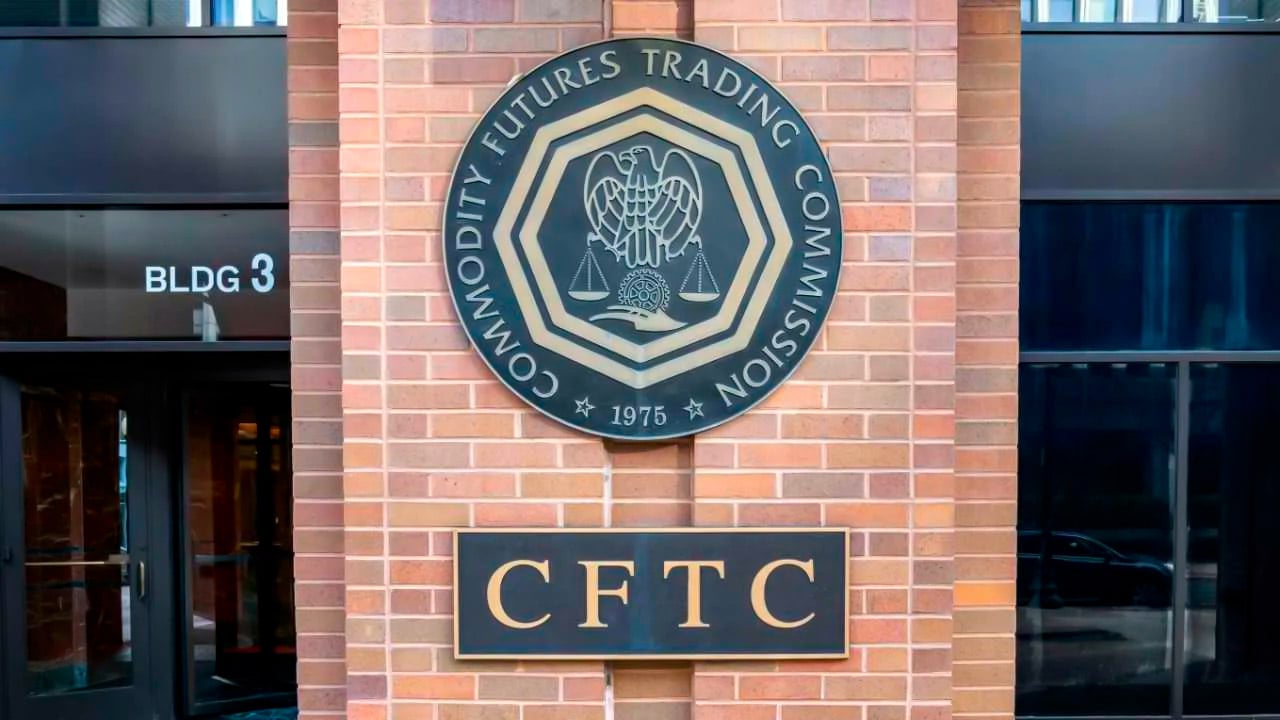
The Commodity Futures Trading Commission (CFTC) has forwarded two proposed rules regarding event contracts to the White House for evaluation. This initiative aims to bring prediction markets under federal oversight instead of state gambling regulations.
This week, the CFTC submitted the proposals to the Office of Information and Regulatory Affairs (OIRA), which is responsible for reviewing federal regulations prior to their publication.
Both rules have been classified by the CFTC as not economically significant, and their detailed text has yet to be released to the public.
The first rule, identified as RIN 3038-AF82, seeks to modify the definition of a “swap” to explicitly include event contracts, which are the yes-or-no products traded in prediction markets. This proposed rule will be open for public comment before it can be finalized.
The second rule, an interim final rule labeled RIN 3038-AF81, aims to exclude “casino-style gambling products” from the definition of swaps. Unlike the proposed rule, this interim final rule could be enacted immediately upon approval.
Interim final rules are not commonly used for this type of regulatory clarification; agencies typically employ them when they wish to implement a regulation while still gathering public feedback, rather than waiting for the complete notice-and-comment process to conclude.
The classification of these contracts is crucial since swaps are governed by the Commodity Exchange Act, which the CFTC oversees. If event contracts are recognized as swaps, they would fall under the CFTC’s jurisdiction, which Chairman Michael Selig asserts is exclusive. This would place platforms offering these contracts beyond the authority of state gambling regulators.
However, several states contest this assertion. Ohio and Tennessee have claimed that sports event contracts breach their state gambling laws and have initiated legal action against the CFTC.
Additionally, multiple states have filed lawsuits against prediction market operators for alleged illegal gambling activities, prompting the CFTC to counter these actions to prevent state oversight.
Last week, New York took legal action against Polymarket, aiming to prohibit the platform from operating within its jurisdiction, a move reminiscent of previous actions against Kalshi.
Meanwhile, New Jersey's attorney general has requested the U.S. Supreme Court to examine the jurisdictional issues surrounding these contracts. Conflicting decisions from appeals courts regarding the classification of these contracts have captured the Supreme Court's attention.
These proposed rules follow other initiatives by the CFTC this year. In June, the agency issued a notice seeking public input on how to evaluate event contracts linked to specific activities, including gaming.
On September 22, the CFTC’s Division of Market Oversight released an advisory regarding “mention markets,” which are contracts that settle based on whether a specified individual uses certain words. This advisory highlighted the heightened risk of manipulation associated with these contracts and suggested a presumption of vulnerability to such manipulation. The agency also cautioned that “mention” contracts related to public statements are particularly susceptible to manipulation.
Furthermore, the CFTC is investigating former Rep. Adam Kinzinger concerning bets on Kalshi related to his own pardon.
This rulemaking is part of a broader trend where the CFTC is proactively establishing its regulations instead of waiting for Congressional action, a shift towards regulators taking the lead in crypto policy following the Clarity Act. The agency has also recently sent a separate rulemaking concerning crypto markets to the White House.
Both Kalshi and Polymarket operate as CFTC-registered designated contract markets (DCMs) for event contracts, functioning as federally regulated exchanges. Other platforms like Crypto.com and Robinhood also provide similar offerings.
The submitted proposals indicate the CFTC’s intentions rather than finalized regulations. Both rules must undergo White House scrutiny, and the proposed rule will enter its own process before becoming official.