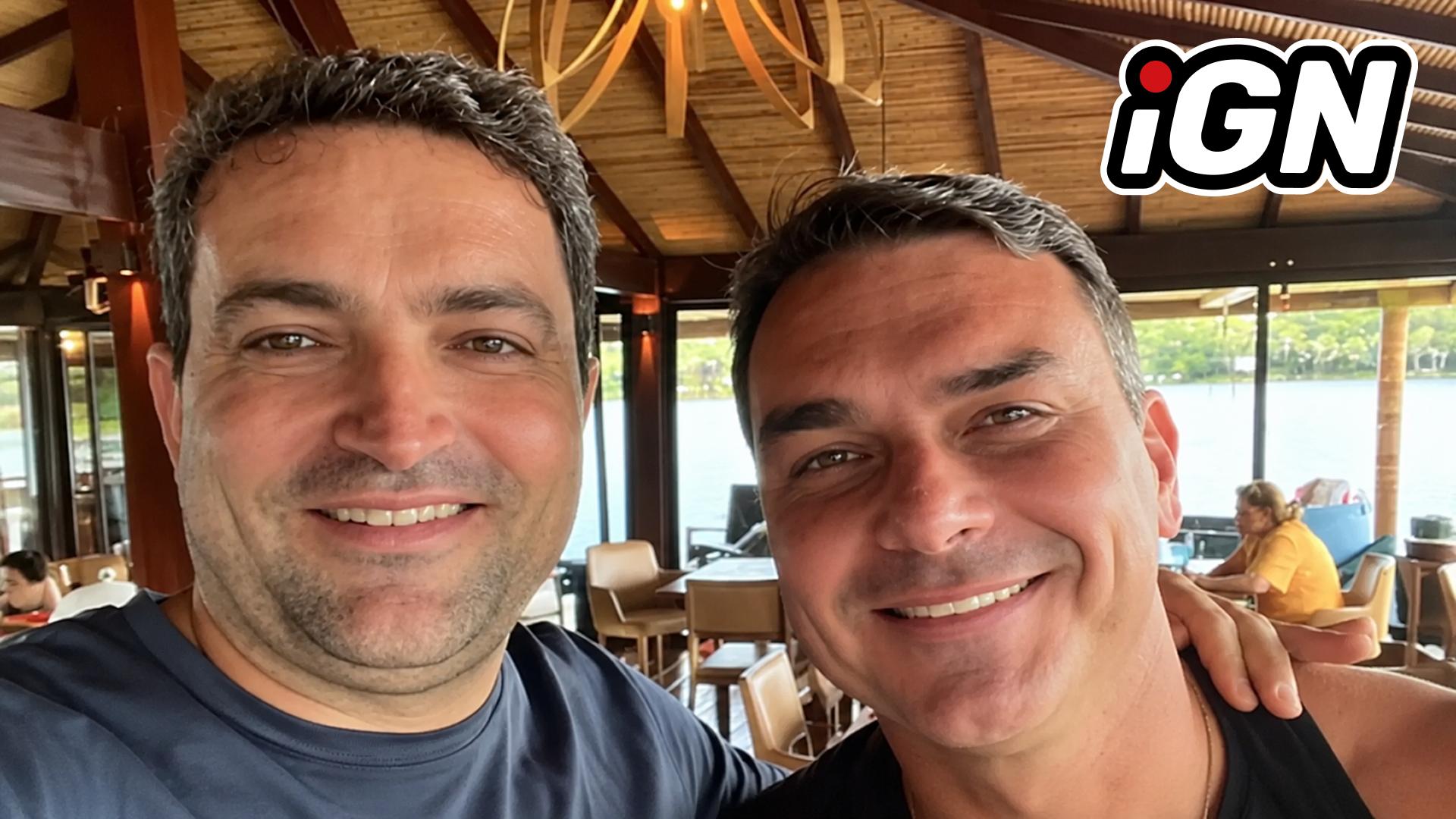
The Supreme Federal Court of Brazil has ordered Flávio Bolsonaro, a prominent political figure and recent presidential candidate, to surrender his passport and remain in the country. The decision, issued on the evening of October 25, comes as Bolsonaro and his associate, lawyer Willer Tomaz, face investigation for alleged money laundering involving iGaming operator Blaze.
Details of the investigation
The case centers on suspicions of money laundering through companies linked to Willer Tomaz and the betting platform Blaze. The investigation is being handled by Brazil's highest court, with the Federal Police tasked with enforcing the travel restrictions. Tomaz has been described in official circles as a major bettor in the country, with significant betting turnover attributed to his account on Blaze.
Court restrictions and political context
Alongside the travel ban, the court's decision includes the cancellation of Flávio Bolsonaro's diplomatic passport, a restriction on his contact with Tomaz, and follows his defeat in the recent presidential election. The order was signed shortly after election results were finalized. Bolsonaro has publicly stated that he never intended to leave Brazil and characterized the move as intimidation.
Implications for the iGaming sector
This high-profile legal action places renewed scrutiny on Brazil's iGaming and sports betting sector, which has drawn increasing attention from regulators and law enforcement. Operators, affiliates, and suppliers active in the market face heightened compliance expectations as authorities investigate potential misuse of betting platforms for financial crimes. The case underscores the importance of robust risk assessment and anti-money laundering measures for all stakeholders in the Brazilian market.
Key takeaways
- Brazil's Supreme Court has barred Flávio Bolsonaro from leaving the country amid a money laundering probe involving Blaze.
- The investigation also targets lawyer Willer Tomaz, alleged to be a major bettor on the platform.
- Operators and affiliates in Brazil face increased regulatory attention regarding compliance and anti-money laundering controls.
- The case highlights the growing intersection of politics and iGaming oversight in Brazil.