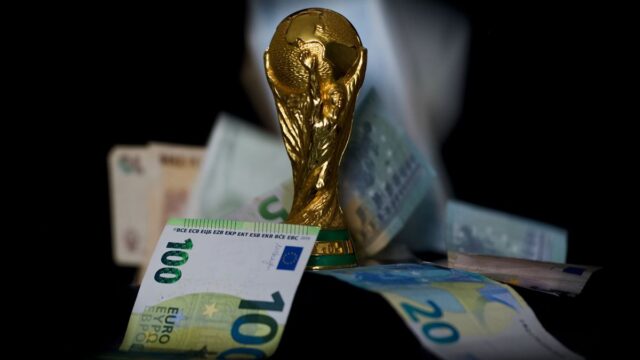
A recent report highlights that the 2026 World Cup was a prime target for fraudsters exploiting inactive sports betting accounts and retention bonuses from sportsbooks.
This extensive tournament, featuring 104 matches among 48 teams across three host nations, concluded in July with Spain crowned as the global soccer champion. George Pace, the lead product marketing manager at SEON, referred to it as the 'World Cup of fraud.'
The report from SEON, a global fraud prevention platform, reveals a surge in illicit activities such as potential money laundering, account theft, and manipulation of bonuses and promotions. While these actions are not illegal, they are closely monitored by sportsbooks aiming to mitigate risks during a tournament that captivated billions of soccer enthusiasts worldwide. This situation may offer insights for the United States as it gears up for the National Football League's regular season starting September 9.
Pace remarked, 'The World Cup happens every four years, and while it celebrates soccer, it also becomes a playground for fraud.' He noted that the tournament attracts significant promotions and incentives, making it an enticing opportunity for fraudsters.
The comprehensive report analyzed global gambling markets, grouping the U.S. with North America. It suggested that operators adopted a 'Trojan Horse' strategy prior to the World Cup, reactivating dormant accounts to identify potential fraud without alienating customers who only engage during major events.
As the football season approaches, cybersecurity expert Matthew Wein, who authors the Secure Stakes newsletter, cautioned that while progress is being made, the battle against fraud continues. He stated, 'AI will accelerate attacks, enabling fraudsters to target more victims with less effort.'
Wein emphasized that operators have relaxed security checks to enhance user experience, which could lead to increased incidents as they prepare for college and professional football seasons. He urged users to remain vigilant about the risks associated with dormant accounts and the importance of safeguarding personal information.
SEON's findings revealed that dormant accounts, whether acquired, stolen, or curated, were a significant entry point for fraud, with a notable 83% increase in activity from accounts that had previously passed verification. Additionally, the average blocked fraudulent withdrawals increased from $202 before the tournament to $436 during it, as attackers focused on fewer, high-value attempts.
In Europe, there was a 115% rise in logins using stolen credentials, particularly during match-day traffic spikes.
Founded in 2017, SEON provides anti-fraud and anti-money laundering solutions to over 5,000 clients across various sectors, including fintech, payments, retail, crypto, and betting, utilizing ID verification and AI technologies.