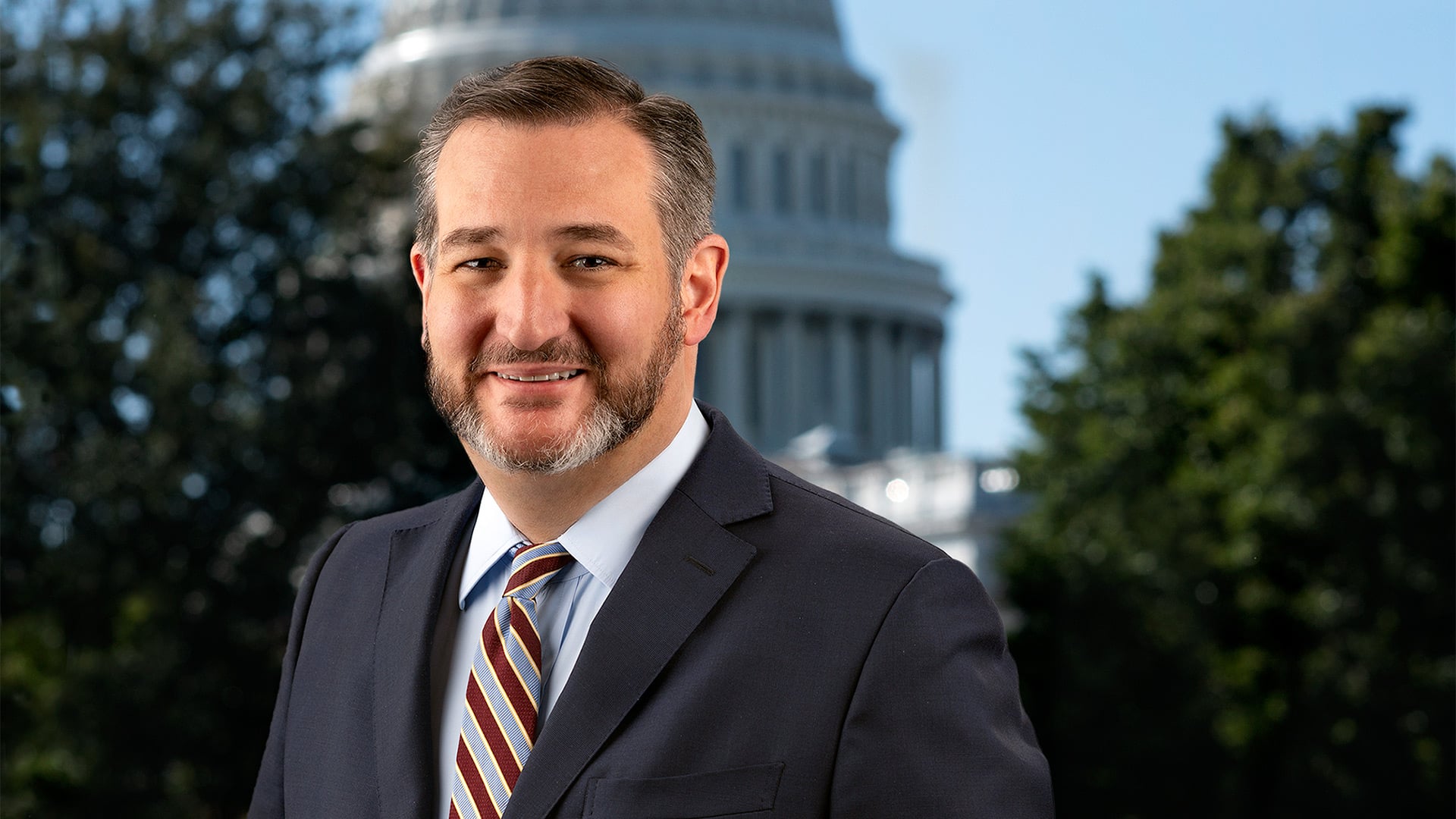
US Senator Ted Cruz is preparing to introduce legislation that would transfer authority over sports-related contracts offered by prediction markets from federal to state and tribal governments. The bill, which Cruz intends to file after the November 3 midterm elections, would require prediction market operators to obtain approval from the relevant state or tribal government before offering contracts tied to gambling activities, including those related to sports betting.
Potential Shift in Regulatory Power
Currently, platforms like Kalshi operate under a federal framework, offering sports event contracts nationwide through registration with the Commodity Futures Trading Commission (CFTC). If Cruz’s proposal passes, it could significantly alter this arrangement by giving states and tribes the authority to approve or deny such offerings. The bill would not ban sports-related contracts outright but would make their availability dependent on local government approval.
Implications for Texas and Other States
The proposed legislation could have a notable impact in states like Texas, where sports betting and casinos remain prohibited. Prediction markets have provided an alternative for residents seeking to engage with sports-related contracts. According to estimates from Eilers & Krejcik Gaming, Texas and California together account for a large portion of Kalshi’s trading volume, while states without legal online sports betting collectively represent the majority of the platform’s activity.
Texas lawmakers have shown resistance to legalizing sports betting, with recent efforts failing to advance. Lieutenant Governor Dan Patrick has directed legislative committees to study prediction market gambling and its impact on the integrity of elections and sports, reflecting ongoing concerns about the sector.
Ongoing Legal Disputes and Federal-State Tensions
Cruz’s bill comes amid unresolved legal questions over whether federal or state authorities should regulate sports event contracts. Recent court decisions have produced conflicting outcomes, with some courts siding with the CFTC’s jurisdiction and others upholding state authority. The issue has reached the US Supreme Court, following a petition from New Jersey after a federal appeals court sided with Kalshi and the CFTC.
Other proposals before Congress have taken a stricter stance, seeking to ban sports and casino-style contracts on CFTC-regulated exchanges entirely. Meanwhile, the CFTC has implemented an interim rule excluding casino-style gambling products from the definition of swaps when offered by state- or tribal-supervised operators.
Why This Matters for the Industry
If enacted, Cruz’s legislation would require operators, affiliates, and suppliers in the prediction market space to adapt to a patchwork of state and tribal regulations. This could limit the reach of platforms operating under a single federal license and introduce new compliance challenges. For states and tribes, the bill would offer greater control over gambling activities within their borders, potentially influencing the direction of sports betting and prediction market regulation nationwide.
Key takeaways
- Sen. Ted Cruz plans to introduce a bill giving states and tribes authority over sports prediction markets.
- The legislation would require state or tribal approval for sports-related contracts, impacting operators like Kalshi.
- The proposal comes amid ongoing legal disputes over federal versus state regulatory powers.
- Operators may face new compliance challenges if the bill passes, as regulatory oversight would shift from federal to local authorities.