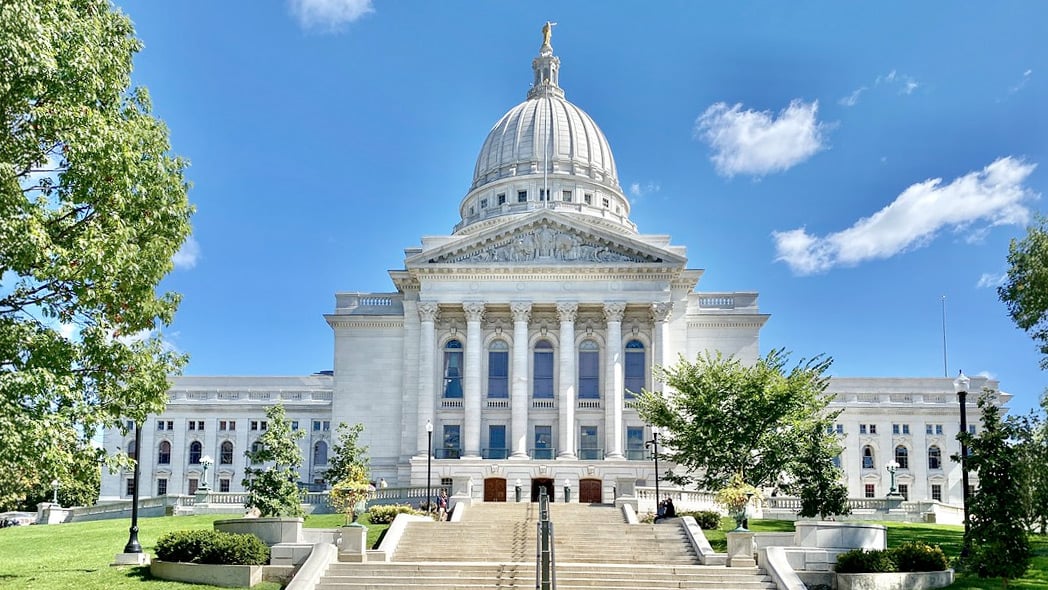
On Thursday, Wisconsin Governor Tony Evers enacted an executive order that prohibits employees in the executive branch from using or sharing confidential information for personal gain in prediction markets. This move comes amidst increasing scrutiny of the rapidly expanding prediction market sector.
The order affects over 30,000 state employees in Wisconsin, preventing them from disclosing insider information to family members or anyone else who might leverage it for profitable bets on prediction market platforms.
Consequences for violating this order could include termination, referral to the Wisconsin Ethics Commission, or even criminal investigations.
Prediction markets, such as Kalshi and Polymarket, allow users to trade contracts based on the outcomes of real-world events like elections, sports, weather, and government actions.
Governor Evers stated, “Wisconsin state employees work diligently every day, often exceeding their responsibilities to serve our communities and meet the needs of Wisconsinites. Maintaining public trust in our government relies on transparency, accountability, and integrity. We must ensure that our work benefits the public rather than serving personal interests.”
The executive order referenced a recent incident involving a U.S. Army Special Forces soldier accused of using classified information to earn approximately $410,000 on a prediction market related to a potential U.S. operation in Venezuela. The soldier has been charged under the Commodity Exchange Act.
Wisconsin is now among several states, including Illinois, New York, Maryland, and California, that have implemented restrictions concerning insider trading in prediction markets. Recently, the U.S. Senate also passed a rule prohibiting senators from trading on these platforms.
This decision is particularly relevant as Wisconsin is currently engaged in legal battles over prediction markets and sports event contracts. Last month, the Wisconsin Department of Justice filed a lawsuit against Kalshi, Robinhood, Coinbase, Polymarket, and Crypto.com, claiming these platforms facilitate illegal sports betting within the state.
The federal government subsequently countersued Wisconsin, asserting that the state is improperly interfering with federally regulated financial markets.
Additionally, the Ho-Chunk Nation has filed a lawsuit against Kalshi, alleging that the platform supports illegal sports betting activities in Wisconsin, where such wagering is primarily restricted to tribal casinos operating under state agreements.
Kalshi has defended its offerings as financial event contracts rather than sports bets.
Earlier this week, U.S. District Judge William Conley allowed the Ho-Chunk Nation's lawsuit to move forward but denied a request for a temporary injunction that would have suspended Kalshi's operations on tribal lands.