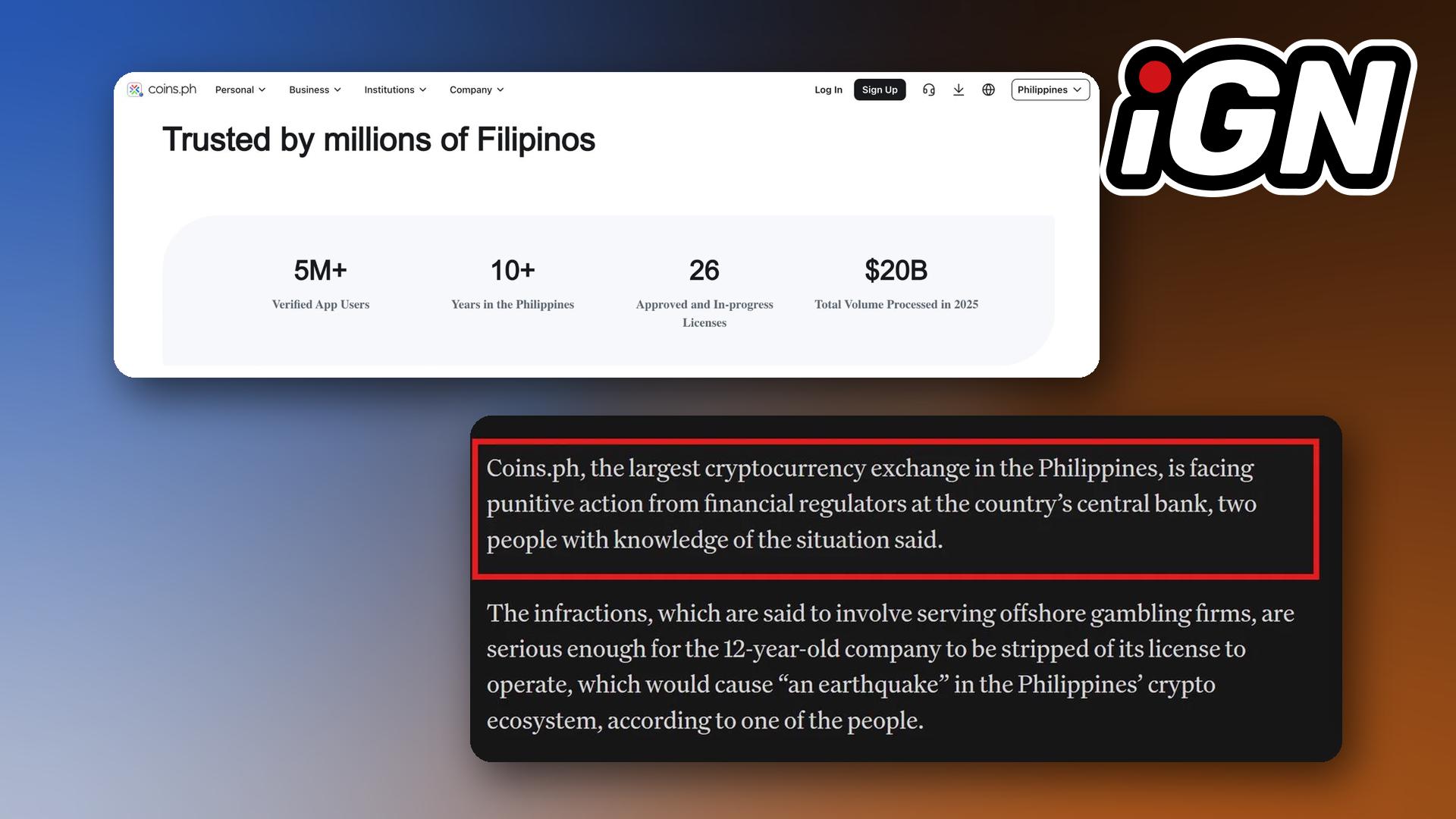
Coins.ph, the largest cryptocurrency exchange in the Philippines, has been hit with regulatory restrictions by the country’s central bank, Bangko Sentral ng Pilipinas (BSP), following allegations that it processed transactions for offshore iGaming operators.
Central Bank Moves to Limit Peso Deposits
Since September 29, Coins.ph has been unable to accept peso deposits from banks and major e-wallets, including GCash and Maya, as a result of BSP’s decision. The exchange, which boasts over 18 million customers, continues to allow crypto trading and withdrawals, but the ban on fiat deposits has disrupted its core financial services. No official reason or duration for the restriction has been provided by BSP, and the regulator has not commented publicly on the situation.
Regulatory Concerns Over iGaming Transactions
The move comes after reports that Coins.ph facilitated payments for offshore gambling and gaming operators, a sector that has faced increasing scrutiny from Philippine authorities. Last year, BSP required e-wallet firms to block in-app access to gambling sites, prompting some offshore operators to shift their transactions to crypto platforms like Coins.ph. The exchange controls a significant share of peso-to-stablecoin liquidity in the country, making it a key player in both the remittance and crypto markets.
Company Response and Compliance Challenges
Coins.ph has denied knowingly serving offshore gaming or gambling operators, stating that it adheres to regulatory standards set by BSP and other authorities. The company emphasized that customer funds remain safe and that it expects to restore affected services soon. The restrictions follow the recent departure of several senior compliance staff, including the chief compliance officer and anti-money-laundering specialists, raising questions about the firm’s internal controls.
Implications for the Industry
The BSP’s action against Coins.ph highlights the growing regulatory risks for crypto exchanges operating in markets with strict gambling controls. For operators and affiliates, the restrictions signal increased scrutiny over payment flows, especially those linked to gaming and gambling. Suppliers and partners relying on crypto for cross-border transactions may also face disruptions. The potential for Coins.ph to lose its license, as suggested by some sources, would have significant consequences for the Philippine crypto and iGaming ecosystems.
Key takeaways
- Coins.ph faces central bank restrictions on peso deposits due to alleged links with offshore iGaming operators.
- The exchange continues to operate but has denied knowingly servicing gambling businesses.
- Recent regulatory moves reflect heightened scrutiny of crypto’s role in gambling transactions.
- Operators, affiliates, and suppliers may see increased compliance demands and payment disruptions.