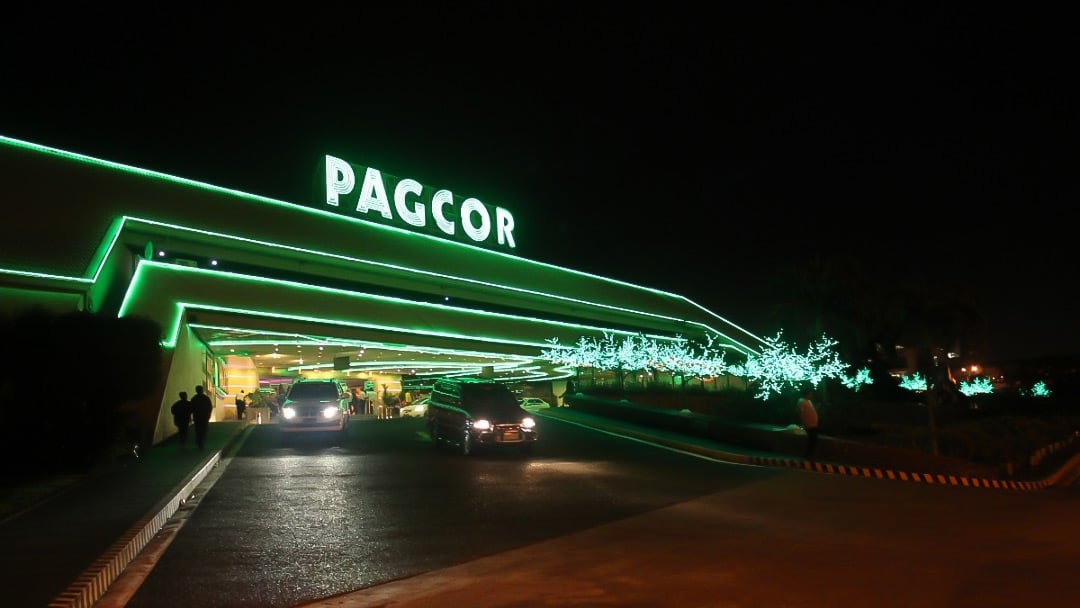
The Philippine Amusement and Gaming Corporation (PAGCOR) has mandated all licensed casino operators and gaming support service providers to promptly reassess and bolster their anti-money laundering (AML) and counter-terrorism financing (CTF) protocols. This directive comes in light of a recent sector-wide evaluation revealing that the gaming industry remains significantly susceptible to money laundering risks.
This initiative follows PAGCOR's Casino Sector Risk Assessment for the period of 2021-2024, which categorized the Philippine casino industry as 'High Risk' for money laundering and 'Medium Risk' for terrorism financing.
As part of the advisory, operators are required to analyze their current AML and CTF risk models, revise internal risk evaluations to reflect PAGCOR's insights, and enhance measures for customer due diligence, transaction monitoring, verification of source of funds, sanctions screening, and reporting of suspicious transactions.
PAGCOR has also instructed casino operators to share the risk assessment findings with their boards of directors, senior management, compliance officers, internal audit teams, and frontline personnel. They are to identify any shortcomings in existing controls and implement necessary improvements.
The regulator emphasized that both land-based casinos and electronic gaming operations are particularly at risk due to their handling of substantial cash transactions and often limited insight into the sources of funds from customers, especially in the VIP junket sector.
The risk assessment highlighted that the sector is significantly exposed to earnings from serious crimes, especially in scenarios involving high-value transactions, cash activities, VIP or junket interactions, electronic gaming, remote channels, or weak control measures.
Furthermore, it pointed out that 'high-value play, intermediated customer relationships, foreign patronage, and complex settlement arrangements can obscure transparency regarding the source of funds, beneficial ownership, and the actual individual controlling the activities.'
PAGCOR noted that illicit funds entering the casino sector frequently stem from drug trafficking, fraud, scams, cybercrime, environmental violations, and tax evasion.
While the sector was rated as posing a medium risk for terrorism financing, PAGCOR did not find any confirmed cases involving its licensed entities during the assessment period. However, it acknowledged that casinos could still be vulnerable when funds that have circulated through banks, remittance services, e-money platforms, or other intermediaries eventually enter casino operations.
Additionally, PAGCOR has directed gaming platform and support service providers to ensure their systems facilitate compliance with casino operators' AML responsibilities and reduce the chances of obscuring transaction trails.
The regulator plans to conduct examinations to evaluate how effectively operators have adopted the updated risk assessment and cautioned that insufficient compliance could lead to administrative penalties.