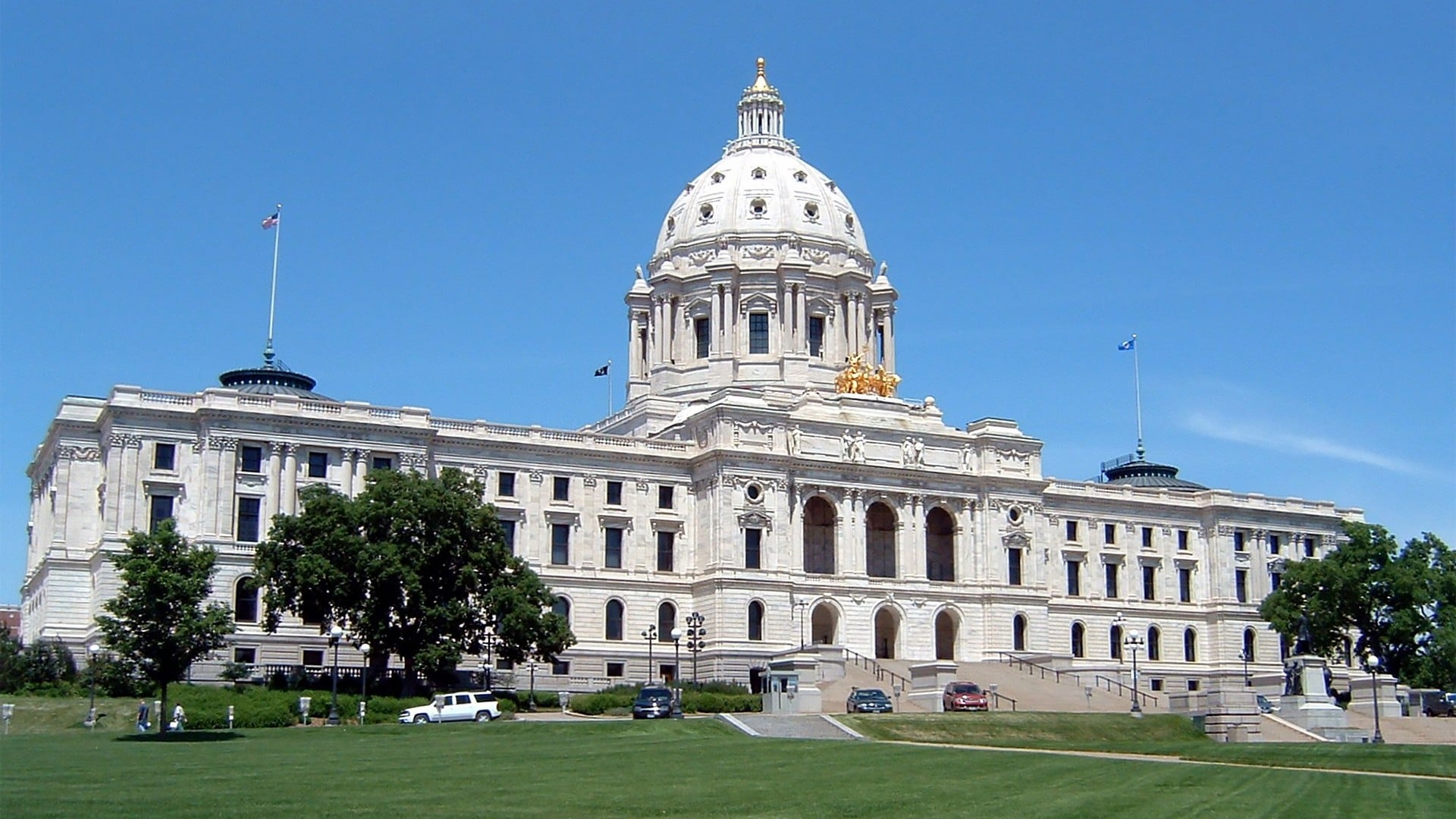
Lawmakers in Minnesota are progressing towards limiting prediction markets by advancing a bill that would prohibit platforms from offering contracts related to sports, elections, weather events, wars, and other real-world occurrences.
Senator John Marty has introduced SF 4511, which has successfully passed through various committee stages, including the Senate Finance Committee, and is now set for further review by the full Senate. If the bill is approved, it will come into effect on August 1.
This proposed legislation aims to significantly reduce the types of contracts that prediction market operators can offer within the state, primarily allowing only economic-based contracts and some niche offerings.
Marty expressed concerns regarding Kalshi, which claims to be the first legal sports betting app in the nation, arguing that it does not comply with Minnesota's laws, as reported by CBS.
The push for this legislation arises from ongoing debates among state officials about whether prediction market operators are providing products that mimic sports betting while evading state gambling regulations.
Prediction markets enable users to trade contracts based on the outcomes of real-world events, with payouts contingent upon those results. Critics in Minnesota contend that these platforms are functioning in a legal gray area by offering contracts on sports events, elections, and other occurrences while sidestepping the regulatory frameworks that govern traditional sportsbooks.
The proposed bill would ban contracts linked to sports, politics, weather events, wars, and various other categories deemed controversial by lawmakers.
Proponents of the bill argue that consumer protections are currently inadequate, and ethical concerns have escalated as the industry expands.
Support for the legislation gained traction after Senator Matt Klein was fined by Kalshi for allegedly placing a bet on his own campaign, raising alarms about potential insider trading and conflicts of interest associated with event-based contracts.
Klein acknowledged the violation, describing it as an honest mistake, and attributed it to the unclear regulations in the industry that led him to unknowingly engage in unlawful transactions. This issue has garnered increased scrutiny ahead of the pivotal midterm elections in November.
Even if the bill is enacted, its actual impact on the industry remains uncertain.
Several states have proposed similar initiatives aimed at curbing prediction markets, but enforcement is complicated due to the sector's oversight by the Commodity Futures Trading Commission.
Additionally, multiple lawsuits are in progress to address what critics refer to as regulatory loopholes that permit prediction platforms to offer products resembling gambling.
Simultaneously, Minnesota lawmakers are examining separate legislation that could legalize sports betting in the state, sparking a parallel discussion on the regulation of wagering products.