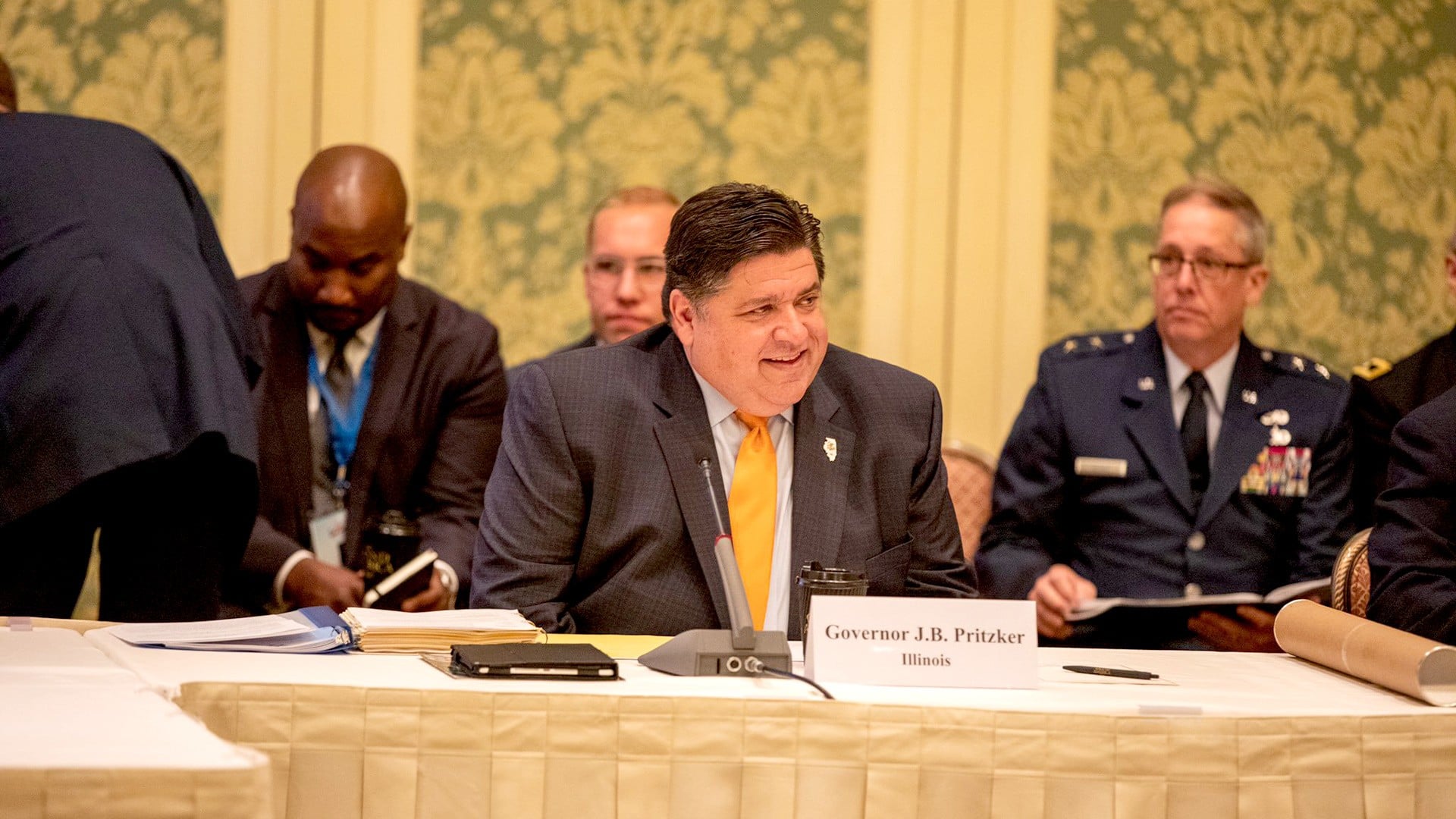
Governor JB Pritzker of Illinois has officially enacted Senate Bill 2749, which broadens the state's Substance Use Disorder Act to encompass gambling disorder prevention, treatment, education, and recovery services.
This new legislation identifies gambling disorder as a significant public health concern and integrates its treatment with existing substance use disorders through a unified government strategy focused on prevention and recovery.
With the implementation of this law, Illinois will enhance its addiction framework to include planning, prevention, treatment, research, recovery support, and educational initiatives related to gambling. The bill also emphasizes the need for improved collaboration among government bodies, healthcare providers, educators, and community organizations.
The law acknowledges the wide-ranging impact of gambling disorder on individuals, families, workplaces, and communities, extending recovery support beyond clinical settings to include education, crisis intervention, referrals, and long-term assistance.
Senator Julie Morrison, the bill's sponsor, highlighted that recognizing gambling disorder in state law will facilitate better resource allocation for individuals facing gambling addiction. She stated, “We see people who have alcohol dependencies, people who have drug addictions. I think we recognize those as disorders, and it’s in statute, and we are providing different granting mechanisms, different ways to help those people across the state.”
Morrison emphasized the importance of this bill, saying, “We haven’t done that with gambling, and that’s what this bill is about. It’s just recognizing the fact this is also another addiction disorder, and those people also need the help.”
The bill garnered significant bipartisan support, passing unanimously in the Senate and facing minimal opposition in the House, where only 11 Republican representatives voted against it.
Senate Bill 2749 also assigns the Illinois Department of Human Services (IDHS) the task of coordinating a comprehensive statewide strategy that includes prevention, intervention, treatment, and rehabilitation efforts. The department will collaborate with federal and state agencies, local governments, healthcare providers, non-profit organizations, and treatment professionals to establish uniform treatment standards and enhance evidence-based services.
As part of this initiative, IDHS will partner with the Illinois State Board of Education to create prevention programs and classroom resources aimed at educating students about the risks of gambling, probability, financial decision-making, and addiction. The legislation also promotes training for teachers and counselors to help them identify warning signs of gambling-related issues.
Furthermore, the measure enhances crisis intervention services by raising awareness of gambling-related mental health risks, including suicidal thoughts, and encourages training for healthcare professionals, counselors, teachers, and social workers to recognize gambling disorders.
Licensed gambling operators, such as casinos, sportsbooks, and mobile betting platforms, will be mandated to display treatment information provided by IDHS prominently. The legislation also advocates for improved customer screening, public education, professional training, and better access to rehabilitation services.
Additionally, the law expands the definition of gambling to cover bets on uncertain events, regardless of whether they are sanctioned by the Illinois Gaming Board, acknowledging the participation in offshore gambling sites and other unregulated online platforms. This comes amid ongoing discussions in the state regarding the regulation of prediction market operators.