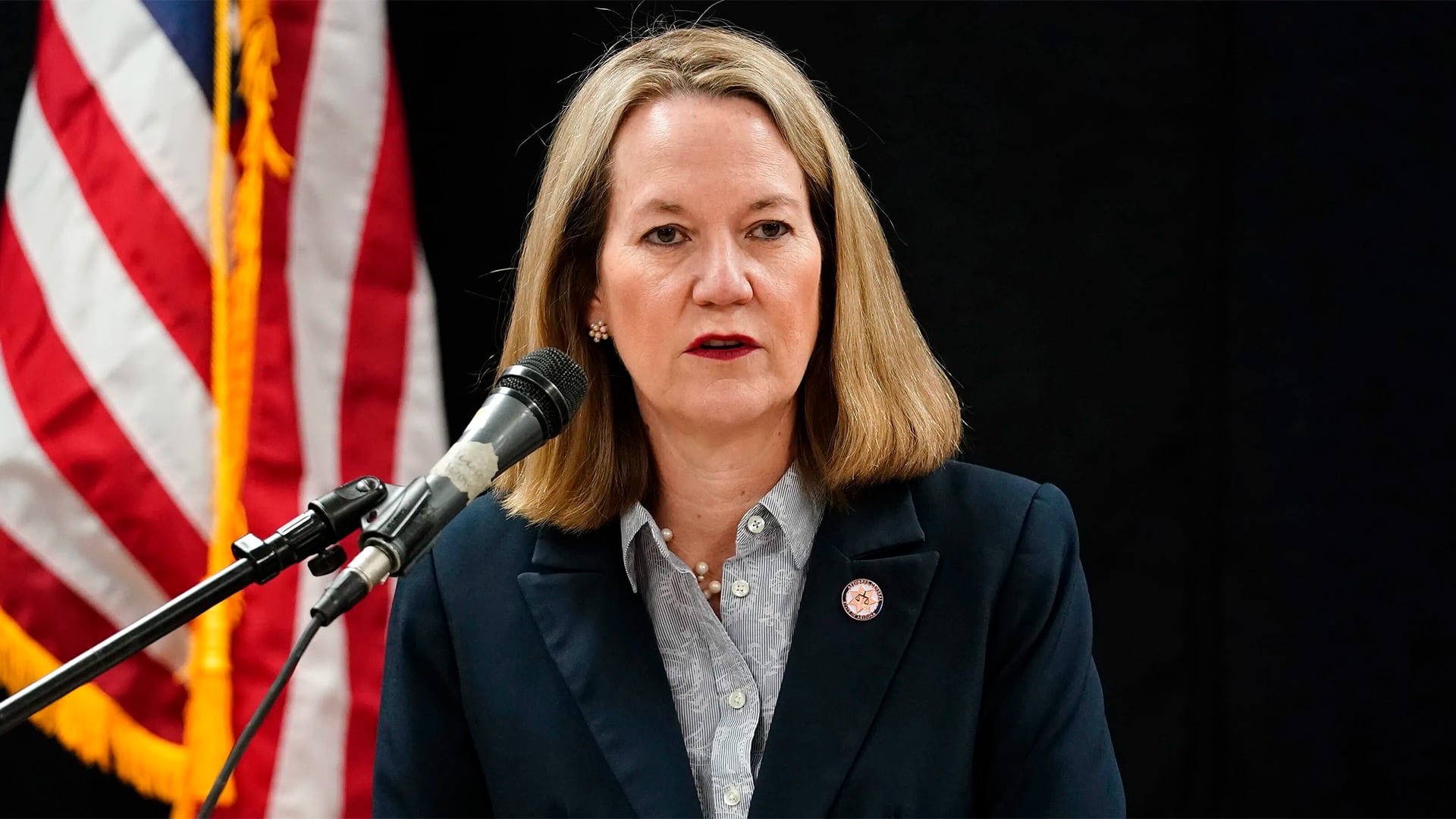
Arizona's Attorney General, Kris Mayes, is currently evaluating a recent ruling from a federal appeals court that enhances the authority of states to regulate contracts related to sports prediction markets. However, this decision does not address Arizona's ongoing conflict with Kalshi concerning election betting.
The U.S. Ninth Circuit Court of Appeals issued its ruling on a case from Nevada, stating that the federal Commodity Exchange Act does not inhibit states from enforcing their gambling regulations on Kalshi's online contracts for sports events. This ruling supports a previous lower court's decision that permits Nevada to impose its sports betting laws on the prediction market operator.
Kalshi contended that trades associated with sporting events should be classified as swaps, a derivative type overseen by the federal Commodity Futures Trading Commission (CFTC), thus falling under federal jurisdiction. The Ninth Circuit rejected this argument.
This ruling is significant for Arizona, which is part of the Ninth Circuit, as Mayes aims to establish state control over prediction markets like Kalshi and Polymarket. She faces challenges from federal authorities and court decisions that favor federal regulation.
Mayes emphasized that the ruling affirms the states' rights to regulate gambling activities. She stated, "Kalshi's stance would have effectively federalized sports betting regulation across the country and undermined decades of state and tribal oversight designed to protect consumers from the dangers of unregulated gambling."
Nevertheless, the ruling does not resolve whether states can oversee Kalshi’s contracts related to elections. The Ninth Circuit has referred the matter of Nevada’s authority over election betting back to the district court for further evaluation.
In March, Mayes initiated criminal proceedings against Kalshi, accusing the New York-based firm of running an illegal gambling operation and breaching state laws that ban election betting. This case, which included 20 criminal charges filed in Maricopa County Superior Court, marked the first instance of a U.S. state bringing criminal charges against a prediction market operator.
At that time, Kalshi expressed its concerns, stating that "a state can file criminal charges based on flimsy arguments." The company argued that its operations were distinct from those of sportsbooks and casinos and should not be subjected to a confusing array of inconsistent state laws.
Subsequently, a federal judge blocked Arizona’s prosecution. In May, U.S. District Judge Michael Liburdi ruled that Kalshi operates under the oversight of the CFTC as a designated contract market, indicating that federal law supersedes Arizona's gambling regulations in this context. This ruling halted Mayes and the Arizona Department of Gaming from pursuing the criminal charges.
The situation has also prompted direct federal involvement. In April, the U.S. government filed a lawsuit against Arizona, Connecticut, and Illinois regarding their attempts to regulate prediction markets, asserting that the oversight of event contracts is solely within the CFTC’s jurisdiction.