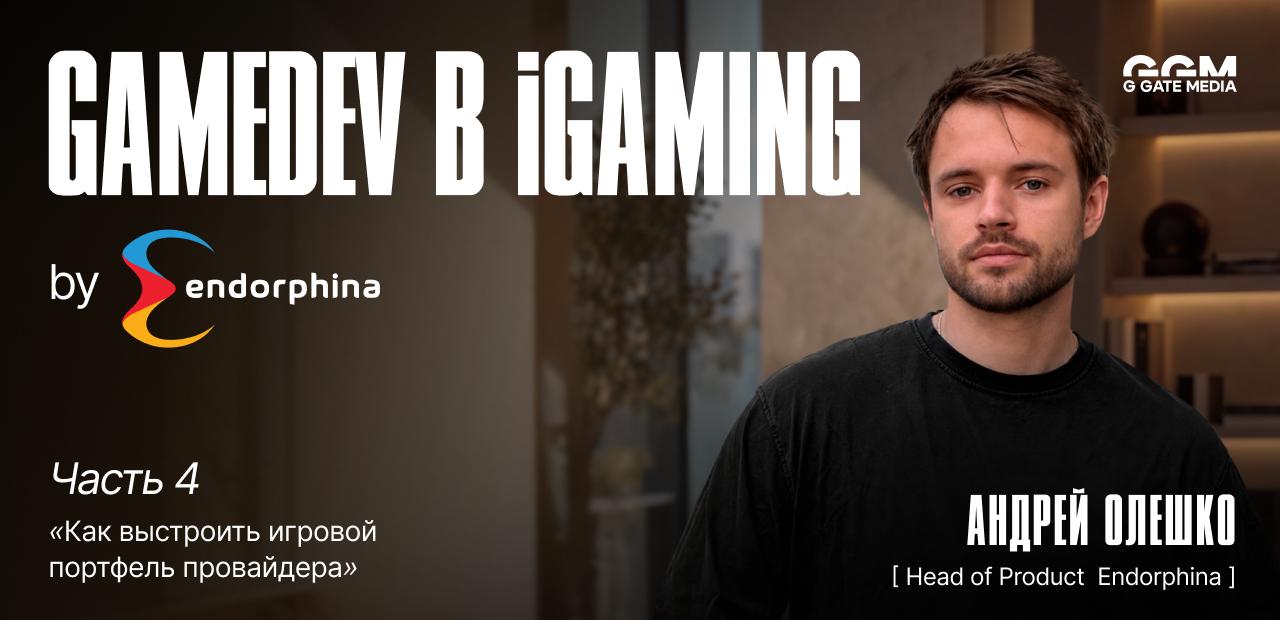
Endorphina, a prominent international slot provider, has offered a detailed look into its approach to building and managing its game portfolio. In an interview with Andrey Oleshko, Head of Product at Endorphina, the studio outlined how it balances player retention, market demands, and operator economics to shape its slot releases. The discussion was part of a broader series on game development and slot economics in iGaming.
How Slot Economics Drive Provider and Operator Revenue
The article highlights that the core of slot game economics lies in the difference between total player bets and payouts. While operators earn revenue from the remaining percentage—the Gross Gaming Revenue (GGR)—providers like Endorphina typically receive a share of this GGR, as agreed in contracts. The industry standard for Return to Player (RTP) is around 96%, but this figure can fluctuate depending on regional regulations and operational costs. Rising expenses for licensing, compliance, and payment processing are pushing some operators to offer slots with lower RTP, sometimes as low as 94%.
Retention as the Key to Slot Success
According to Oleshko, player retention is the most important metric for a slot game's success. Games that keep users coming back consistently outperform those that only deliver short-term excitement. Endorphina and other studios are increasingly focused on features that promote retention, such as progressive bonus mechanics. For example, slots with multiple accumulating bonuses, like the "Triple Pile" feature, have been shown to significantly increase session length and engagement.
Adapting to Market and Cultural Differences
The interview also addresses why the same slot can perform differently across markets. Cultural factors, such as preferred symbols and lucky numbers, play a significant role, particularly in regions like Asia. In these markets, attention to local mythology, symbolism, and even specific numbers (e.g., eight for luck, four for misfortune) can influence a game's reception. Meanwhile, audiences in Eastern Europe often favor classic slot themes familiar from land-based gaming history.
Why This Matters for Industry Stakeholders
For operators and affiliates, understanding the interplay of RTP, volatility, and retention mechanics is crucial for maximizing player engagement and revenue. Suppliers must balance the economic needs of operators with player preferences, adapting their portfolios to meet shifting market conditions and regional tastes. The insights from Endorphina underline the importance of data-driven game development and the need for localization to succeed in diverse markets.
Key takeaways
- Endorphina emphasizes player retention over short-term gains in slot design.
- RTP rates are being adjusted downward in some markets due to rising operational costs.
- Localization and cultural adaptation are critical for slot performance across regions.
- Operators and suppliers must collaborate closely to align game mechanics with market demands.