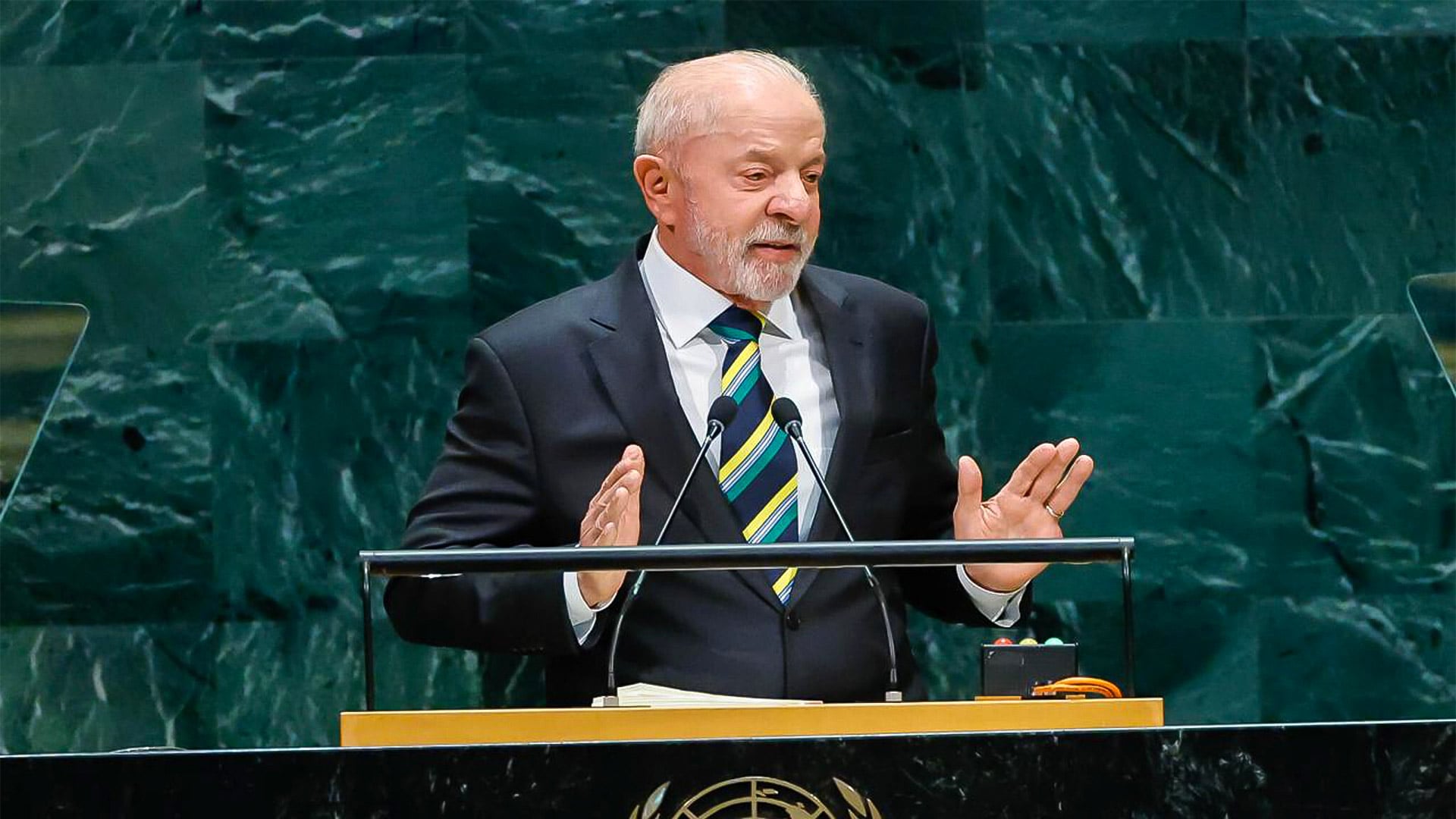
Brazilian President Luiz Inácio Lula da Silva has enacted a provisional measure that effectively bans fixed-odds betting and online casino games, abruptly disrupting the country's recently established betting market.
Signed on September 25, this measure forbids the promotion, offering, and advertising of fixed-odds betting across Brazil, impacting both sports betting and online gaming. This ban applies to operators licensed at the federal, state, and district levels.
As part of the transition plan, operators are prohibited from accepting new deposits following the announcement. Players have until 11:59 p.m. on October 5 to withdraw any remaining funds, with betting platforms and applications set to be taken offline starting October 6. Following this, operators must inform financial institutions of any outstanding balances, and banks are tasked with returning these funds to players between October 9 and 14.
This decision represents a significant shift for Brazil, which has invested years in developing a regulated online betting framework that saw rapid growth after sports betting was legalized in 2018.
In December 2023, Lula's administration officially regulated and taxed fixed-odds betting, with the regulated market expected to commence operations in 2025. The government had also implemented measures to curb access to illegal operators and enhance controls over payments, advertising, and responsible gambling practices.
However, this latest measure effectively dismantles that framework. The Brazilian government reported that 85 fixed-odds betting licenses had been issued, each costing BRL 30 million, totaling BRL 2.55 billion (approximately $480 million) paid by operators during the licensing phase.
The government has clarified that the cancellation of these licenses does not entitle operators to compensation for lost profits, investments, or expectations of ongoing operations. Furthermore, operators will not receive refunds, either fully or partially, for the fees paid for their licenses.
This provisional measure is immediately enforceable but requires Congressional approval to remain in effect. Additionally, the government has proposed legislation to create criminal offenses associated with fixed-odds betting, which includes operating betting services, promoting them, using personal data for recruitment, and facilitating financial transactions related to these activities.
Lula has justified this measure as a necessary response to the financial and societal repercussions of online betting. During the announcement in São Paulo, he likened the betting industry to cancer, asserting that it poses a growing threat to Brazilian families. He also criticized the industry during his speech at the United Nations General Assembly earlier in the week, accusing it of profiting from addiction.
The government's rationale heavily emphasizes the potential harms of gambling. The Health Ministry has highlighted that online betting is becoming a significant public health concern, linking it to financial hardships, anxiety, depression, family disputes, and other negative outcomes.
Research cited by the ministry revealed that over 28 million Brazilians engaged in online betting in the past year, with 10.9 million exhibiting patterns of risky or problematic gambling. Healthcare appointments related to gambling issues surged by approximately 140% from 2018 to 2025.
This decision has sparked worries among industry stakeholders regarding the future of betting demand once regulated operators exit the market. The Brazilian Institute of Responsible Gaming (IBJR), representing a substantial segment of the regulated betting industry, has warned that banning fixed-odds betting may drive players towards illegal operators instead of reducing demand.
In response, the government has pledged to intensify its efforts against illegal betting activities, with the Finance and Justice ministries taking the lead.