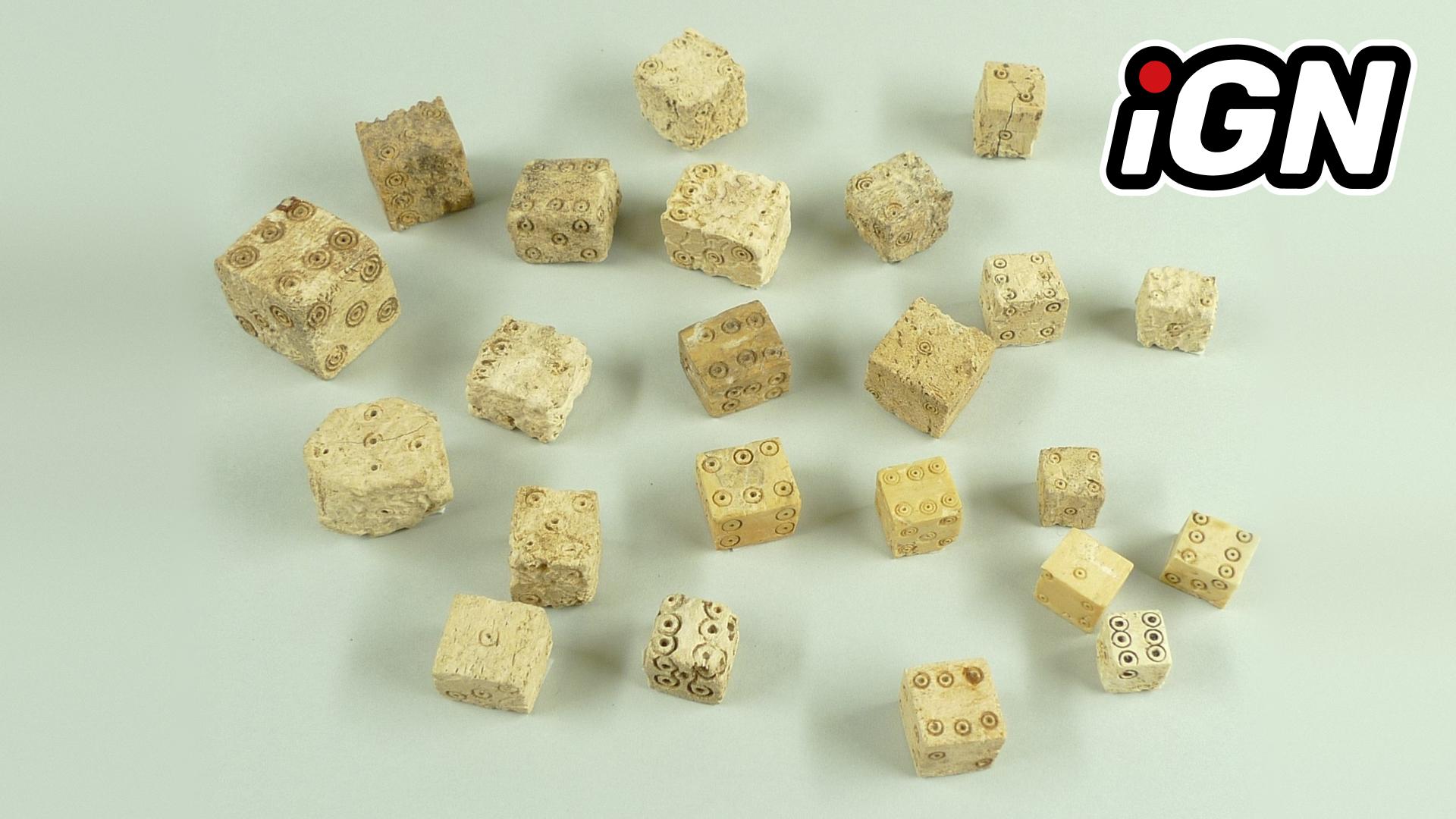
Archaeologists working in Grand, France, have discovered what is believed to be the largest known collection of ancient gaming dice, dating back to the 2nd century CE. The find, announced by the Vosges Departmental Council, was made at the site of a former Gallo-Roman city, renowned as a significant religious center in antiquity.
Details of the Discovery
The excavation, located near the basilica and its famous mosaic, began in 2022 and is managed by the Vosges Departmental Council with support from France's Ministry of Culture. Led by Thierry Dechezleprêtre, chief curator of Roman Gaul collections at the National Archaeology Museum, the project involves a team of archaeology students from several French universities. Their work uncovered a small building, approximately 4.5 by 3.8 meters, adorned with red mural paintings and featuring a water conduit leading to a wooden basin.
Surrounding the building, archaeologists found more than 500 dice made of bone, along with various artifacts such as shoe nails, ceramics, bronze coins, and personal adornments. Some dice were even embedded in the building's foundations, suggesting a special connection to the structure's purpose.
Possible Functions of the Site
The exact use of the building remains uncertain. Archaeologists are considering several hypotheses, including that it may have been a workshop for manufacturing dice, a sanctuary, or a space dedicated to games under the protection of a deity. The city of Grand was historically devoted to Apollo Grannus, a healing god, and Fortuna, the goddess of luck. The unique concentration of dice and their placement in the site hint at ritual or social significance.
Significance for the Gaming Industry
This discovery provides valuable insight into the ancient roots of gaming and gambling. In the Roman Empire, dice games were popular across social classes, though gambling for money was officially restricted except during certain festivals. The use of dice in both entertainment and divination highlights the longstanding cultural importance of games of chance. For modern operators, suppliers, and regulators, the find underscores the deep historical ties between gaming, social life, and ritual practices.
Key takeaways
- Over 500 ancient dice were found at a Gallo-Roman site in Grand, France.
- The discovery is the largest known collection of its kind from antiquity.
- The site may have served as a workshop, sanctuary, or gaming venue.
- The find illustrates the enduring role of gaming in human culture.