The American Gaming Association (AGA) has released its latest Gaming Industry Outlook, indicating a more favorable short-term outlook for the U.S. gaming sector. Despite this optimism, industry leaders have noted that factors such as prediction markets, regulatory changes, inflation, and geopolitical tensions are increasingly impacting the sector.
According to the report, which was developed in collaboration with Oxford Economics, real economic activity in the gaming sector increased by 1.5% year-over-year in the first quarter of 2026. The AGA’s Gaming Conditions Index evaluates various metrics including gaming revenue, employment rates, wage levels, executive sentiment, and future activities within casino hotels.
The U.S. economy is projected to remain robust, bolstered by investments in artificial intelligence and other sectors. However, the report highlights a persistent “K-shaped” economic recovery, where lower-income households are facing financial strain due to rising costs associated with the ongoing conflict in the Middle East. In contrast, higher-income households are expected to maintain positive consumer spending on services, benefiting from tax reductions.
Forecasts suggest a 2.7% increase in service spending for Q1 2026 and a 2.4% increase for Q1 2027. Additionally, household wealth is anticipated to grow by 15.8% in Q1 2026 and by 3.7% in Q1 2027, while real disposable income is expected to rise by 0.7% in Q1 2026 and 2.7% in Q1 2027.
Moreover, executive sentiment has improved, reaching a net positive of 21.4%, the highest since Q3 2022. Over 60% of AGA member executives anticipate increased capital investments, stronger revenues, and enhanced financial health in the coming six to twelve months.
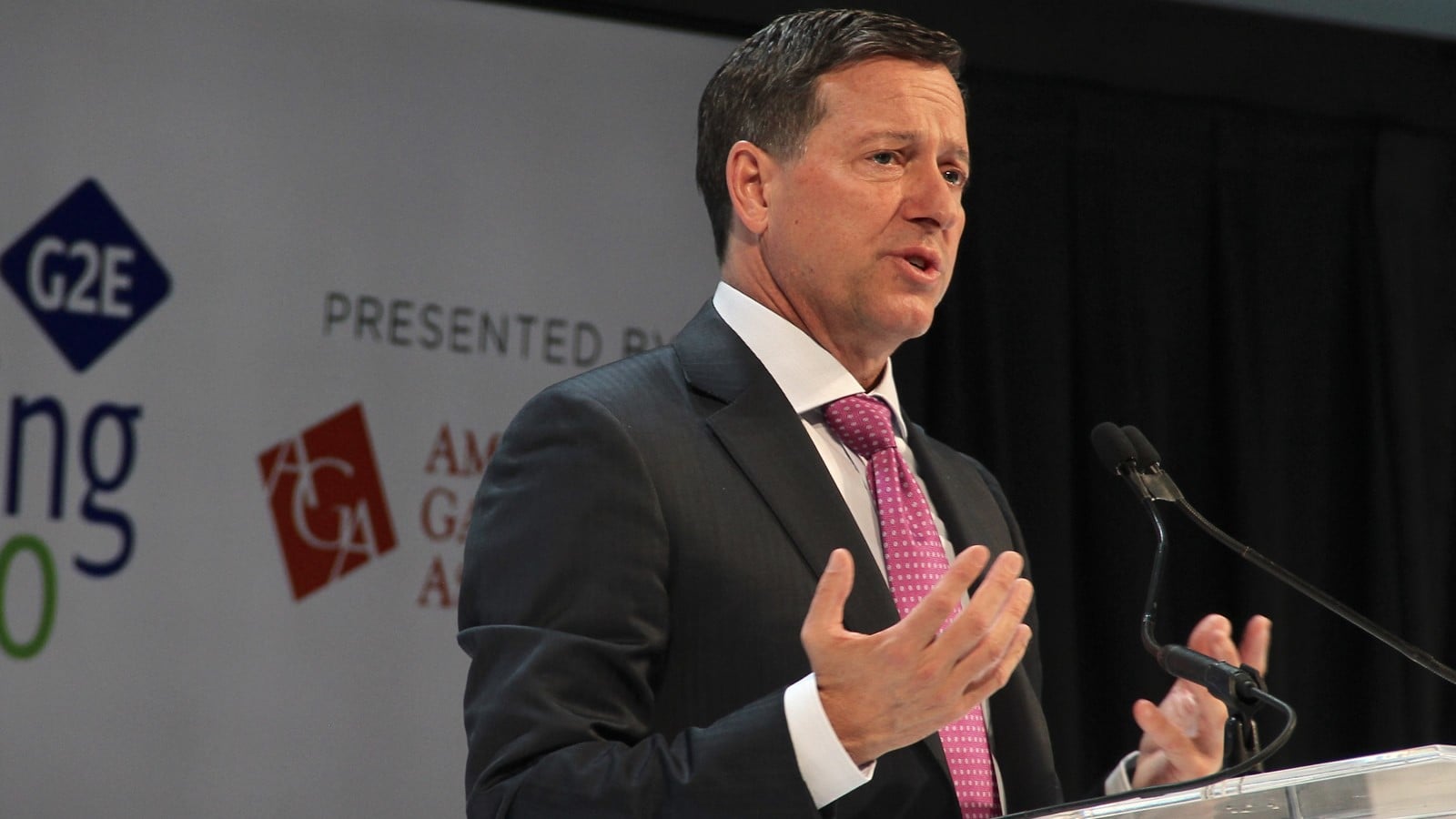
“The legal state and tribal-regulated gaming industry continues to show resilience and adaptability in a changing economic landscape,” stated AGA CEO Bill Miller. “Operators are concentrating on innovation and delivering top-tier entertainment while navigating a shifting competitive and regulatory environment.”
The most optimistic outlooks were noted regarding revenue growth and overall financial health, with both metrics showing a net positive of 56%. Customer activity was reported at a net positive of 32%, and 62% of executives expect capital investments to rise in the next six to twelve months. Half of those surveyed believe that artificial intelligence will lead to cost savings during this timeframe.
While executives reported a slight improvement in their assessment of the current business climate, with a net positive of 12% in Q1 2026 compared to 11% in Q3 2025, their expectations for future conditions have weakened significantly, dropping to a net positive of 8% from 26% in the previous quarter.
The report also indicated a decline in promotional activities for the second consecutive quarter, with executives expressing a net negative outlook of 31% regarding promotions.
Concerns about prediction markets have emerged as a significant issue for regulated gaming operators, with 81% of executives perceiving them as a “very significant” threat to the industry. Miller commented, “Illegal sports betting through sports event contracts increasingly threatens legal state and tribal operators. The regulated industry recognizes this as a threat and will continue to defend its integrity.”
The AGA has previously expressed its opposition to sports event contracts, including a letter to Congress in January addressing concerns about the Commodity Futures Trading Commission’s self-certification protocols used by prediction markets.
Alongside the Indian Gaming Association, the AGA argues that these protocols exploit the CFTC’s regulatory authority and undermine state laws and tribal sovereignty. The AGA has also reached out to sports leagues to discourage partnerships with prediction markets.
This issue has also led to divisions within the industry, with companies like DraftKings, FanDuel, and bet365 leaving the AGA partly due to its stance on prediction markets. DraftKings and FanDuel exited after launching their own prediction market platforms backed by the CFTC.
Executives have also reported facing operational pressures, particularly from federal regulatory concerns.