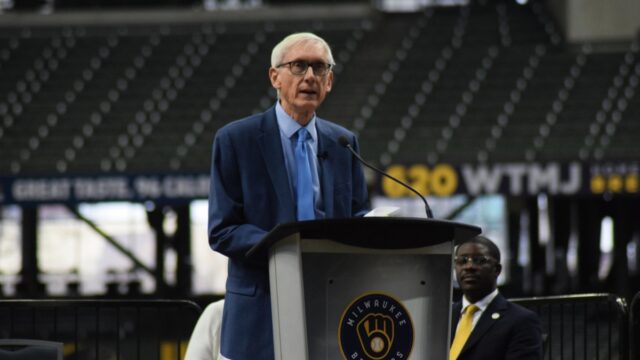
The future of online sports betting in Wisconsin now rests with Governor Tony Evers, who received Assembly Bill 601 on Thursday. This comes over two weeks after the Wisconsin Senate approved the bill with a vote of 21-12.
Currently, sports betting is permitted only on tribal lands in the state. If enacted, AB 601 would empower Wisconsin's 11 federally recognized tribes to offer online betting, contingent on their agreements with the state, which would also require federal endorsement.
Should these agreements be established, tribes could set up sports betting servers on their territories, allowing anyone aged 21 and above, present in Wisconsin, to place bets via mobile apps or websites.
This model has been validated by federal courts following a compact agreement between the Seminole Tribe of Florida and state officials a few years back.
Governor Evers has a six-day window, excluding Sundays, to either sign the bill, veto it, or allow it to become law without his signature.
While eight out of the 11 tribes in Wisconsin support the bill, Evers has voiced his reservations in recent interviews. He emphasized the need for equity among tribal nations in the state, suggesting that the current proposal may not adequately address this concern.
Last month, representatives from eight tribes sent a letter urging Evers to endorse the bill, while three tribes—Menominee Indian Tribe, Oneida Nation, and Lac du Flambeau Band of Lake Superior Chippewa—did not participate.
Support for the bill also comes from prominent sports teams like the Milwaukee Bucks and Milwaukee Brewers. However, the Sports Betting Alliance, representing major betting companies like bet365 and DraftKings, has opposed the legislation.
The issue of gambling in Wisconsin transcends party lines, with Republicans holding the majority in both legislative chambers. Interestingly, the Senate's approval of AB 601 saw a coalition of Democrats joining Republican leaders, with 12 out of 15 Democrats voting in favor.
Senator Chris Kapenga, a Republican, criticized the bill's passage in a recent newsletter, labeling it one of the session's “lowlights.” He expressed concerns about the potential social and financial repercussions of expanding legalized gambling.