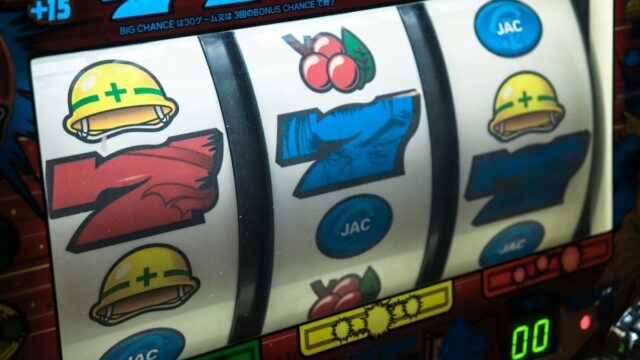
The Pennsylvania Supreme Court has ruled that Pace-O-Matic’s Skill machines are classified as slot machines, thus falling under the state's Gaming Act and criminal gambling regulations. This decision overturns previous lower court rulings that had allowed these machines to operate in a legal gray area.
With this ruling, lawmakers now have a 120-day period to decide the future of these machines, which are prevalent in the state, numbering around 70,000 and representing the largest market for skill game machines in the United States. The ongoing debate among lawmakers, regulators, casino operators, and manufacturers regarding the regulation, taxation, or outright prohibition of these devices has now taken a new turn.
The court's decision reverses a ruling from Dauphin County in 2023 and a subsequent Commonwealth Court decision that had previously deemed these machines outside the definition of gambling devices according to Pennsylvania law. Justice David Wecht, in the majority opinion, highlighted that the lower courts had misinterpreted the legal status of skill games, describing their conclusions as “deeply flawed.”
To mitigate potential disruptions for businesses that relied on the earlier court rulings, the Supreme Court has imposed a 120-day safe-harbor period during which law enforcement cannot take action against the owners or operators of these skill game machines.
Moreover, the court noted that the Pennsylvania General Assembly is free to introduce new legislation concerning skill games before the safe-harbor period concludes. This ruling aligns Pennsylvania with similar decisions in states like Tennessee, North Carolina, and Missouri, where skill game machines are also subject to gambling laws despite incorporating skill elements.
This decision comes shortly after the Texas Attorney General declared that skill game machines are illegal if chance influences the outcomes. The court's reasoning also referenced amendments made to the Gaming Act in 2017, which introduced definitions for “skill slot machine” and “hybrid slot machine,” effectively nullifying the previous reliance on the “predominant factor” test that had allowed Pace-O-Matic to argue their machines were skill-based.