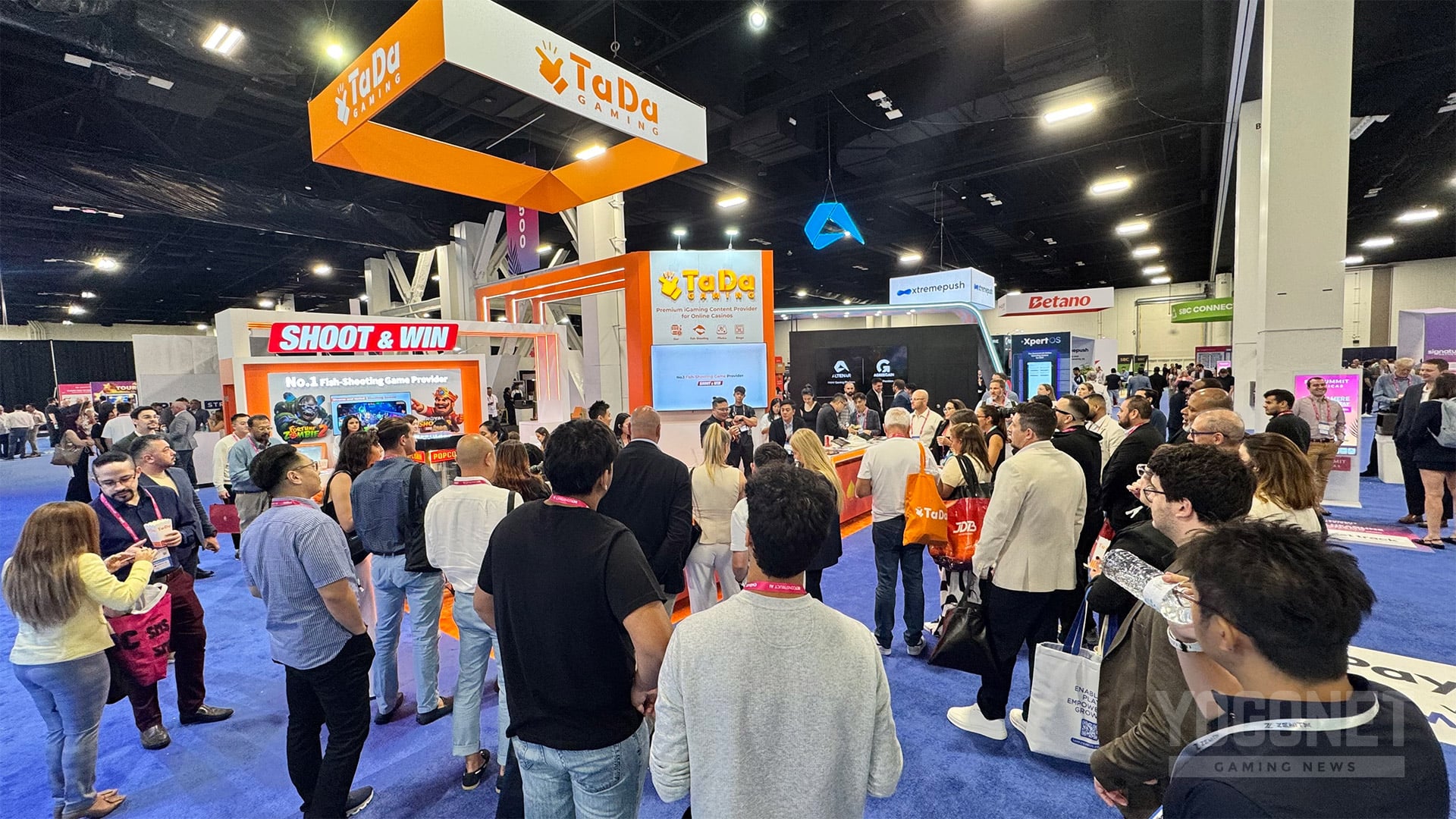
Prediction markets took the spotlight on the inaugural day of the SBC Summit Americas 2026, held at the Broward County Convention Center. This gathering brought together industry leaders, regulators, operators, and tech providers to explore the evolving landscape of gaming across North and Latin America.
Throughout the two-day event, discussions ranged from artificial intelligence and responsible gambling to fantasy sports. However, a recurring theme emerged: the increasing significance of prediction markets and their potential effects on the traditional sports betting framework.
The dialogue began early at the Leaders Stage panel titled 'The Big Picture: Steering the Future of Gaming.' Here, executives debated whether prediction markets signify competition, innovation, or an inevitable evolution in wagering products.
Ian Botts, Chief Technology Officer at Fanatics Betting & Gaming, argued that the success of prediction markets can be attributed to their straightforward nature. 'The reason prediction markets are thriving is their simplicity,' Botts stated. 'It’s a binary yes or no. In contrast, a sports betting event with numerous markets can be quite complex for newcomers.'
Botts suggested that this simplicity might influence how operators design future offerings. 'The impact on the industry will be substantial. We will likely see online casinos and sportsbooks making their products more user-friendly and streamlined,' he added.
Nonetheless, the swift growth of prediction markets has raised concerns about consumer protection. Kevin Mullally, CEO and Managing Director of IAGR and The Mullally Group, expressed worries over the absence of safeguards compared to conventional regulated gambling settings. 'It’s astonishing that individuals can acknowledge their issues and seek help, yet their government disregards their self-exclusion efforts,' Mullally remarked.
The discussion continued later during the panel 'The Current State of Prediction Markets in the US,' which gained heightened relevance after the Commodity Futures Trading Commission proposed new rules for regulating prediction markets. Jeanine Hightower-Sellitto, Senior Vice President and General Manager at DraftKings Predictions, joined other industry leaders to assess whether sports event contracts support or compete with regulated sportsbooks.
Hightower-Sellitto shared that Alex Kane, Founder and CEO of Sporttrade, had approached the Massachusetts Gaming Commission to seek approval for sportsbook operators to offer prediction market products alongside traditional services, arguing that this could enhance participation and boost tax revenues.
In addition to prediction markets, responsible gambling remained a significant topic on the first day. Former U.S. Congressman Patrick J. Kennedy delivered a compelling session during the panel 'Building a Public Health Response to Gambling Harm.' As a long-time advocate for mental health and addiction treatment, Kennedy shared his personal journey and underscored the need to address gambling-related harm as a public health concern.
'I have a history of addiction,' Kennedy candidly admitted. 'I faced numerous DUIs and big wins. I understood I was struggling with addiction but felt powerless to change.'
Kennedy emphasized that society faces broader challenges regarding addiction and behavioral health, particularly among younger generations increasingly engaged with digital platforms.