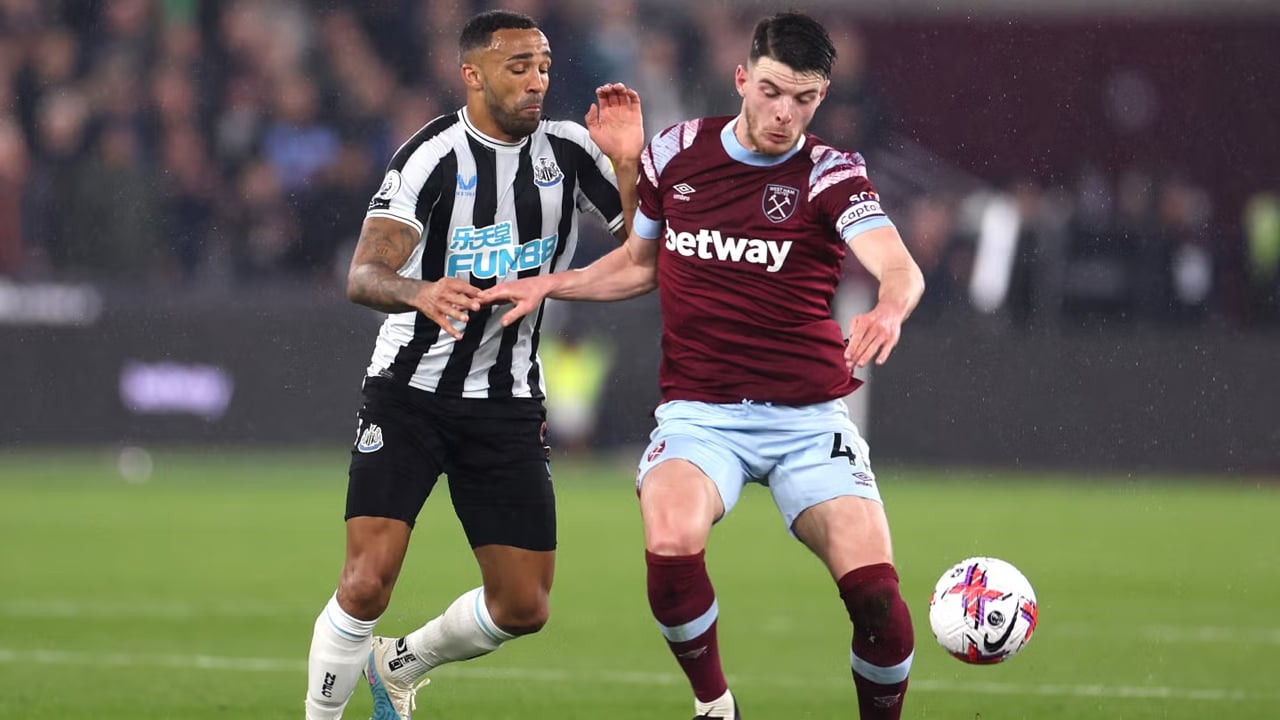
Premier League teams are preparing for a significant decrease in commercial revenue, with gambling companies retreating from front-of-shirt sponsorships. Estimates suggest losses could reach £80 million ($107.5 million) by the start of the 2026-27 season.
This downturn follows a voluntary agreement made in 2023 between the clubs and the UK government, which aims to eliminate gambling brands from prominent shirt placements by the conclusion of the current season. The initiative seeks to reduce the prevalence of betting promotions in football.
Many clubs are struggling to find replacements for these sponsorship deals. Reports indicate that twelve teams currently lack confirmed front-of-shirt sponsors for the upcoming season, with nine clubs still in negotiations.
For those clubs that have secured contracts, the financial terms have significantly decreased. Offers have reportedly dropped to about half of what was previously expected from gambling partnerships. A senior executive from one club remarked, “Nearly everyone is losing money,” as reported by The Guardian.
The impact of this decline is particularly severe for clubs outside the league's top tier. According to the executive, “Outside the big six, shirt sponsorship offers have decreased by approximately 50%, ranging from £8 million ($10.7 million) to £12 million ($16 million) per season.”
While there may be exceptions, the market remains challenging. Some clubs are opting to transition their sleeve or training kit sponsors to front-of-shirt positions, which also affects the values of those deals.
In an effort to bridge the revenue gap, some teams have restructured existing commercial partnerships. Bournemouth and Brentford have moved their current stadium or training sponsors to front-of-shirt roles, albeit at significantly lower fees.
Everton has taken a different route by keeping Stake, its former front-of-shirt sponsor, as a sleeve partner, despite the operator losing access to the UK market last year due to regulatory actions related to its white-label agreements with the Gambling Commission.
Meanwhile, regulatory pressures are increasing. The Department of Culture, Media and Sport initiated a consultation in February regarding a proposed blanket ban on unlicensed gambling sponsorships in football, adding further uncertainty for clubs in search of replacement income.
UK Culture Secretary Lisa Nandy stated, “It’s not right that unlicensed gambling operators can sponsor some of our biggest football clubs, raising their profile and potentially directing fans to sites that do not comply with our regulatory standards.”
The proposed ban also aims to tackle issues related to money laundering associated with offshore or unlicensed operators. Although no specific timeline has been established, legal experts anticipate that the process will extend beyond the immediate future.