The 2026 edition of the Peru Gaming Show (PGS) wrapped up with a second conference cycle that delved into the taxation framework affecting the gaming sector. The discussions featured pointed critiques of the Selective Consumption Tax (ISC) and explored the anticipated effects of the 2026 FIFA World Cup on sports betting.
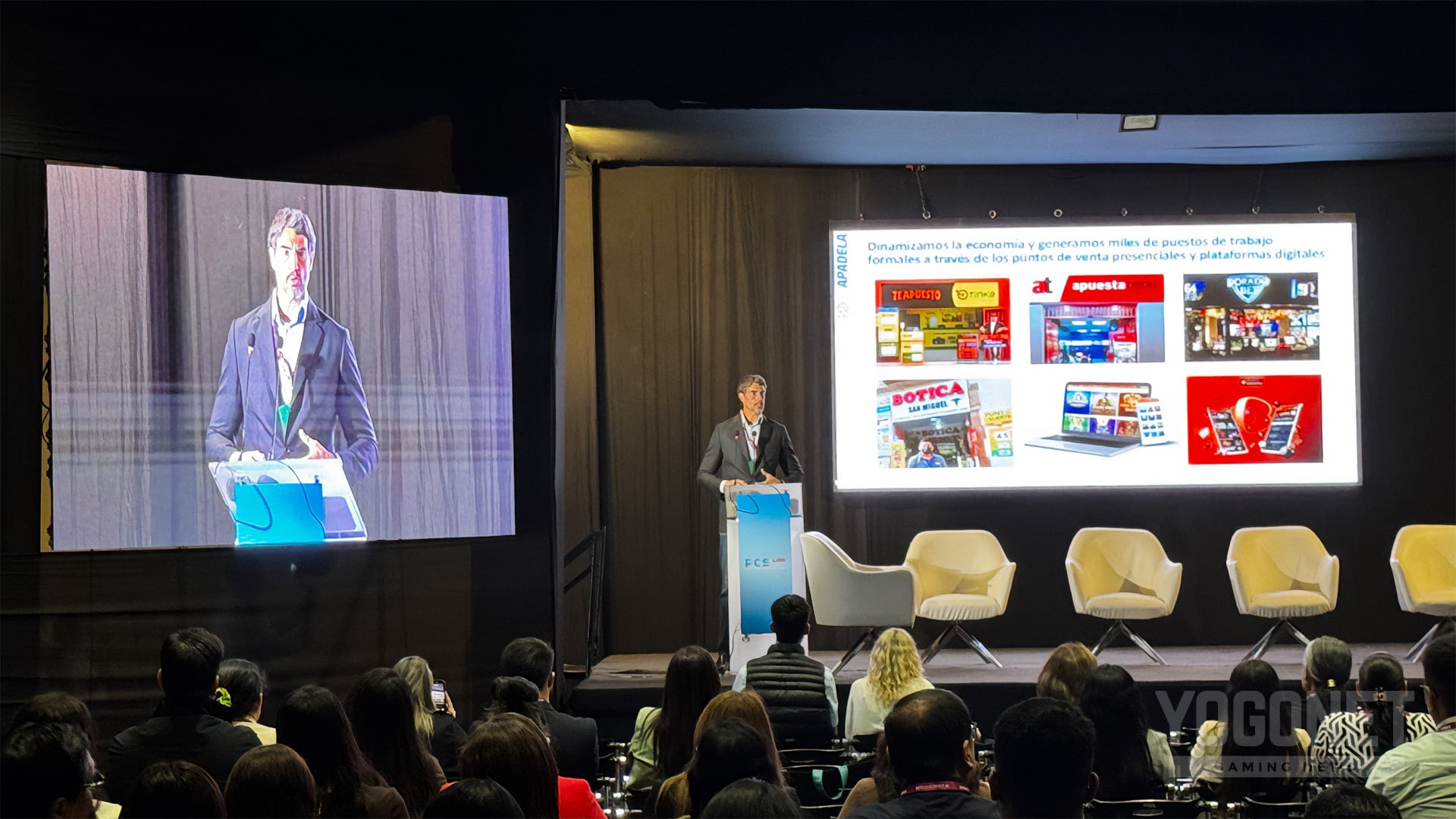
The academic program commenced at 10 a.m. with a presentation by Gonzalo Rosell, the president of the Association of Online Sports Betting and Related Activities (APADELA). He discussed the current landscape of Peru's gaming and online sports betting industry.
During his talk, Rosell highlighted the detrimental impact of the ISC on iGaming, labeling it as a tax imposed on wagered amounts in a sector where profit margins can be as low as 2%. He described the tax levels as “confiscatory.”
Rosell criticized the Ministry of Economy and Finance (MEF) and the National Superintendence of Customs and Tax Administration (Sunat) for not grasping the implications of the tax laws they enact and pointed out the lack of engagement with the industry.
He noted that while Peru has established a robust operational and technical regulatory framework, “the tax aspect is undermining all the positive work” carried out by the Ministry of Foreign Trade and Tourism (Mincetur). He further claimed that the consumption tax also inadvertently aids illegal gambling activities.
“The ISC is a significant deterrent for players seeking licensed betting operators. [...] I urge the MEF to revise the tax burden to halt the decline of legitimate operators,” he cautioned.
Following Rosell, José Luis Pérez, the director of Authorization and Registration for Casino Games and Slot Machines, discussed Mincetur's enforcement initiatives in the land-based gaming sector.
Pérez emphasized the essential role of gaming inspectors, who ensure compliance with regulations, prepare inspection reports, identify potential administrative infractions, and support actions for closures or seizures.
Later, tax attorney Constante Traverso evaluated Peru’s gaming regulatory framework 25 years post-establishment, focusing on the tax regime and echoing Rosell's criticisms regarding the ISC's implementation for both land-based and online gaming.
Traverso contrasted the approaches of Mincetur and the MEF, accusing the latter of being unresponsive to industry suggestions and creating “a crisis not only for businesses but also for employment and tax revenue” in the gaming sector.
The day included a panel discussion titled “Fighting Black-Market Gambling in Online Gaming,” featuring Neil Montgomery, founding partner at Montgomery Studio; Tatiana Vásquez, founding partner at Vásquez Asociados; Karen Sierra Hughes, GLI’s VP for LATAM, the Caribbean, and Spain; and Vanessa Cabrera, director of Control and Sanctions at DGJCMT – Mincetur.
Moderated by Carlos Fonseca, CEO of Gaming Law, the panel explored the drivers of illegal online gambling and potential solutions from operators, stakeholders, and regulators.
Montgomery warned that exorbitant licensing fees in Brazil promote the emergence of illegal operators. He emphasized the necessity of monitoring foreign financial flows and enhancing consumer education to combat informality.
Karen Sierra stressed the importance of categorizing illegal gambling as a criminal offense subject to imprisonment, while also strengthening institutions that uphold regulatory enforcement, such as courts and prosecutors’ offices.
Vanessa Cabrera noted that Mincetur is tackling the issue comprehensively, successfully reducing illegal offerings “through supervision and enforcement, while also ensuring suppliers cease providing products to illegal operators.”
“As regulators, we pursue not only illegal operations but also the underlying structures, which is why we monitor unauthorized platforms,” Cabrera explained.
Tatiana Vásquez referenced Colombia’s approach to similar issues, highlighting the importance of international cooperation in regulatory efforts.