New York's prediction market startup, Pascal, has successfully raised $9 million in a Series A funding round, led by Union Square Ventures. This latest funding builds on a $6 million seed round that the company completed last August, which saw participation from Wintermute Ventures and DBA.
Pascal enters a competitive landscape dominated by Kalshi and Polymarket, two major players whose combined valuations exceed $37 billion. Kalshi, a CFTC-approved exchange primarily serving US retail users, boasts a valuation of approximately $22 billion and is reportedly in discussions to secure additional funding that could significantly increase its value. Meanwhile, Polymarket, which has cultivated a user base through blockchain contracts and appeals to a global, crypto-savvy audience, is valued at around $15 billion.
Instead of directly competing with these platforms, Pascal aims to carve out a niche by offering institutional-grade infrastructure and trading mechanics that cater to professional traders rather than casual bettors. The company's core product integrates perpetual futures-style mechanics with event contracts. Unlike standard yes/no contracts that expire once an event concludes, Pascal's model allows traders to maintain positions similar to perpetual contracts commonly found in crypto derivatives exchanges.
Pascal claims that this approach is accompanied by lower trading fees and tools designed to minimize 'phantom fills', which are situations where trades appear to execute but do not settle. Co-founder Ivo Crnkovic-Rubsamen expressed a desire for liquid markets that address the risks faced by real businesses looking to hedge their positions.
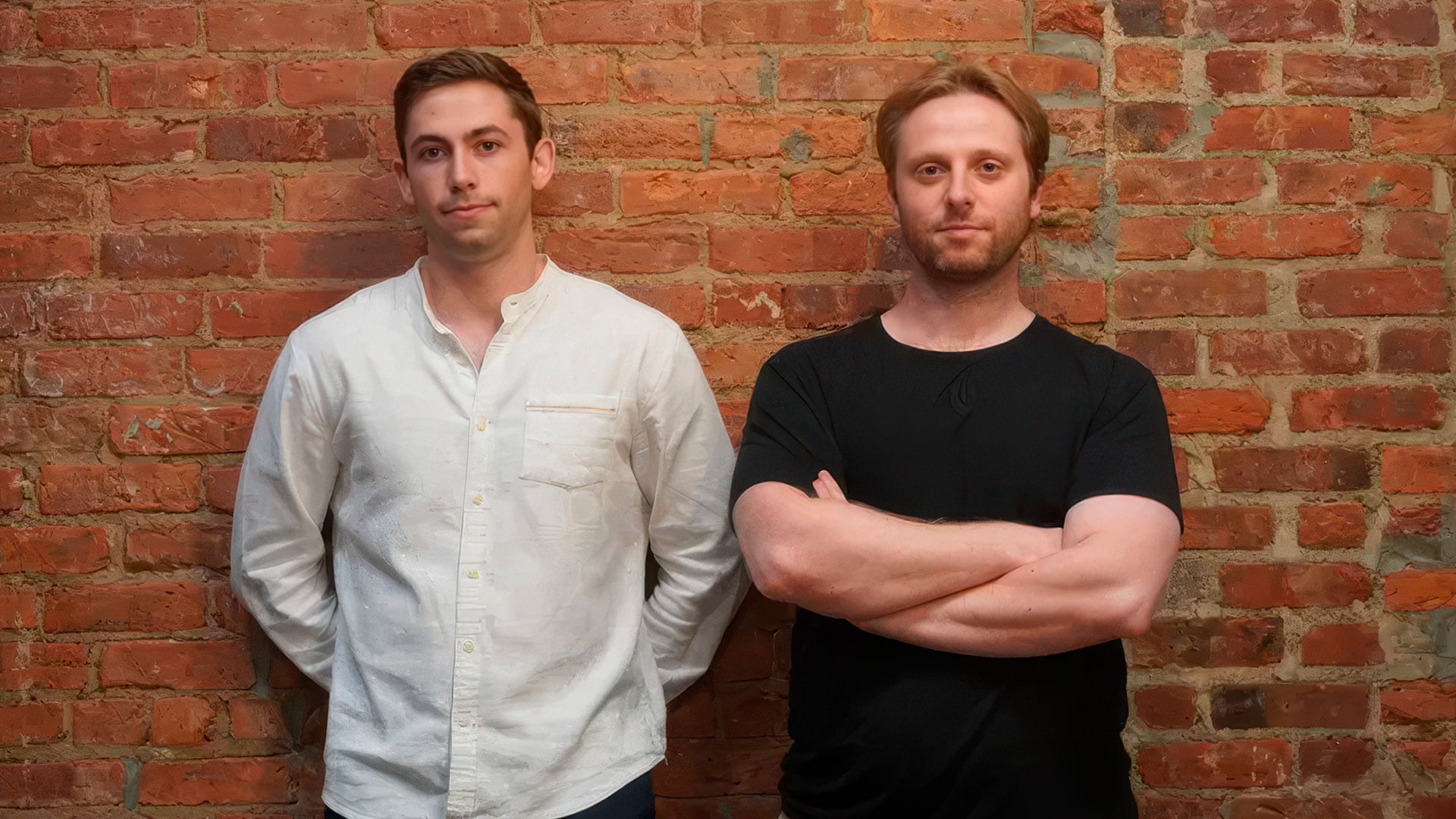
The name 'Pascal' pays homage to the 17th-century mathematician Blaise Pascal, whose contributions to probability theory have influenced modern decision-making under uncertainty. Crnkovic-Rubsamen and co-founder Matthew Downey, who previously met through institutional trading, bring extensive experience to the venture. Crnkovic-Rubsamen has a background as a quantitative trader at Bridgewater Associates and D.E., and he served as CEO of the crypto derivatives exchange dYdX starting in 2024. Downey has experience in high-frequency crypto trading, and together, they aim to address the limitations of existing prediction market platforms by creating tools tailored for serious traders.
The platform entered private beta in June and continues in that phase, with the company opting not to disclose current trading volumes. Over the past year, prediction markets have seen rapid growth, with advertising appearing at major events, including World Cup matches and within New York City's subway system. This sector gained regulatory momentum after Kalshi received approval from the Commodity Futures Trading Commission in 2020, and its prominence surged during the 2024 presidential election.
However, this growth has attracted scrutiny, as several US states are investigating whether event contracts constitute unlicensed gambling. Multiple lawsuits are also pending against existing platforms regarding whether prediction markets should be federally regulated or managed on a state-by-state basis.
Analysts are keeping an eye on three key developments: whether Pascal secures regulatory approvals or no-action letters that distinguish it in terms of compliance, how quickly it can attract market makers capable of providing institutional-level liquidity, and whether its perpetual futures mechanic can sustain trading volume once it transitions out of private beta.