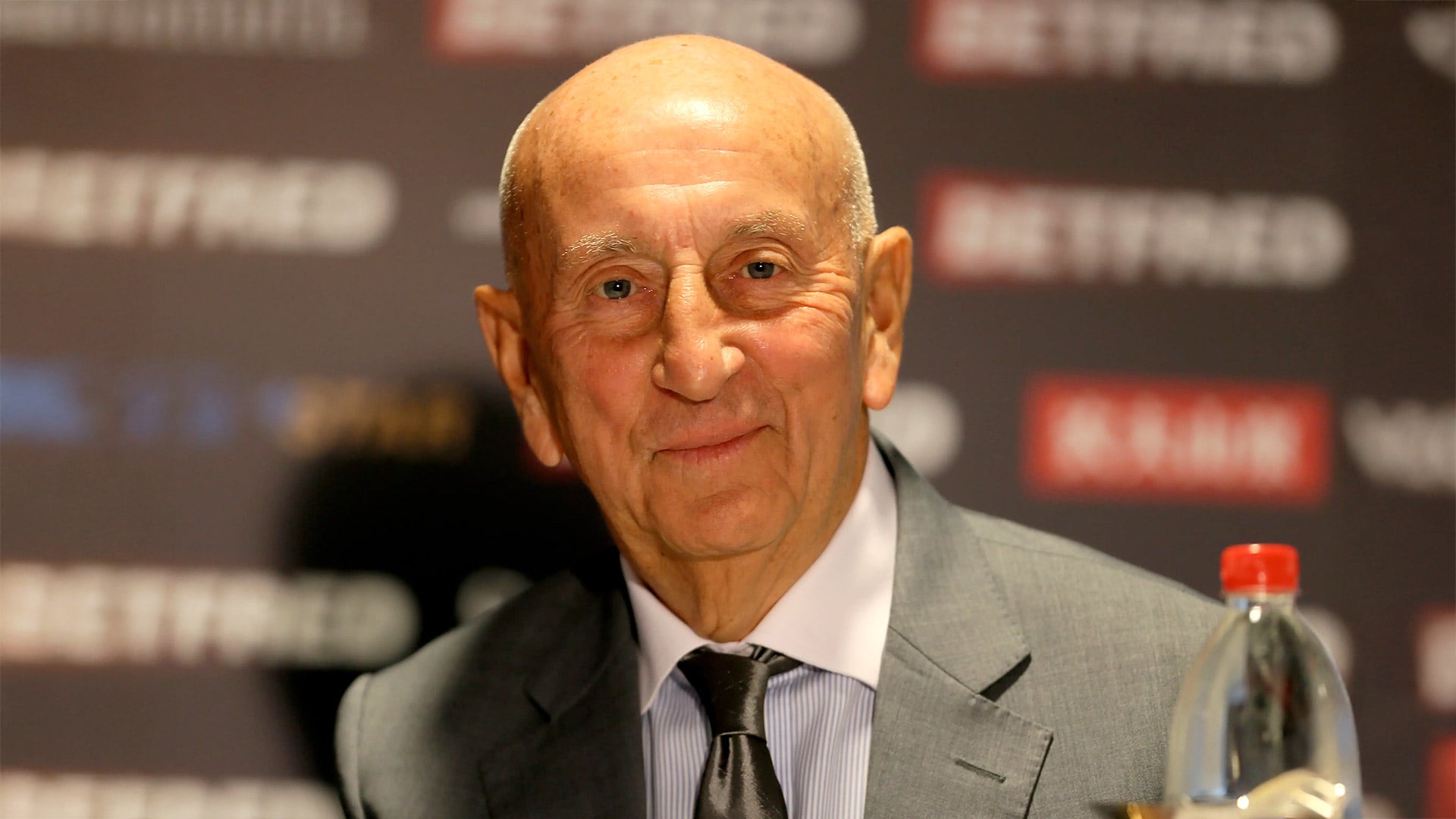
Fred Done, the founder of Betfred, has issued a stark warning that further increases in gambling taxes could result in numerous betting shop closures, job losses, and a decline in the UK high street.
In an interview with the Financial Times over the weekend, the 83-year-old entrepreneur indicated that a possible rise in Machine Gaming Duty (MGD) from 20% to 40% could compel Betfred to shut down 495 of its retail locations within a year.
Currently, Betfred operates approximately 1,094 shops across the UK. Done highlighted that such closures could lead to the loss of around 2,575 jobs and an estimated £67 million (US$89 million) in tax revenue for the government.
The potential increase in MGD is reportedly under consideration by Chancellor John Healey as part of the upcoming Autumn Budget.
Betfred’s retail business heavily depends on fixed-odds betting terminals (FOBTs) and in-store gambling activities. Despite the maximum stake on FOBTs being reduced to £2 (US$2.67) in 2019, Done noted that these machines contribute to nearly half of the company's profits from shops.
This year alone, Betfred has already closed 132 shops following last year's hike in Remote Gaming Duty (RGD). Chief Executive Jo Whittaker remarked at the time that they had strived to protect their locations and employees, but rising employer National Insurance contributions, wage inflation, increased gambling taxes, and broader economic uncertainty left them with no alternative.
Similarly, Evoke shut down 200 William Hill shops in April, citing analogous challenges. Entain’s CEO, Stella David, has also expressed concerns regarding the potential repercussions of a higher MGD rate, predicting an additional £100 million (US$134 million) in operational costs if implemented.
In a letter to the UK Prime Minister last week, David emphasized the potential consequences for workers and communities, stating, “They are people losing their jobs and communities losing long-established high-street businesses.”
Done foresees that the potential shop closures are indicative of a broader decline in high street venues, predicting that betting shops could vanish entirely by 2030. “I believe that by 2030 we will have no betting shops. The high street will be dead. With the rising taxes and salaries, it won’t be feasible to operate,” he commented.
Betfred currently sponsors five of Britain's classic horse races, including the Epsom Derby. However, Done mentioned that the company has not yet decided on extending those sponsorships due to the uncertainty surrounding gambling taxes. He also cautioned that a reduction in regulated gambling options could drive problem gamblers to the black market.
Done dismissed remarks from Dame Meg Hillier, Chair of the Treasury Select Committee, who labeled some industry warnings regarding tax proposals as “scaremongering.”
The retail betting industry is also facing other potential regulatory changes. Burnham recently announced plans to eliminate “aim to permit” provisions for betting shops, while adult gaming centers (AGCs) would now require planning permission to operate.
Done further questioned the tax obligations imposed on affluent business owners, revealing that his family paid £400 million (US$534 million) in taxes last year. “They keep saying those with the broadest shoulders should be paying more tax. Well, how broad do my shoulders have to be?” he remarked.