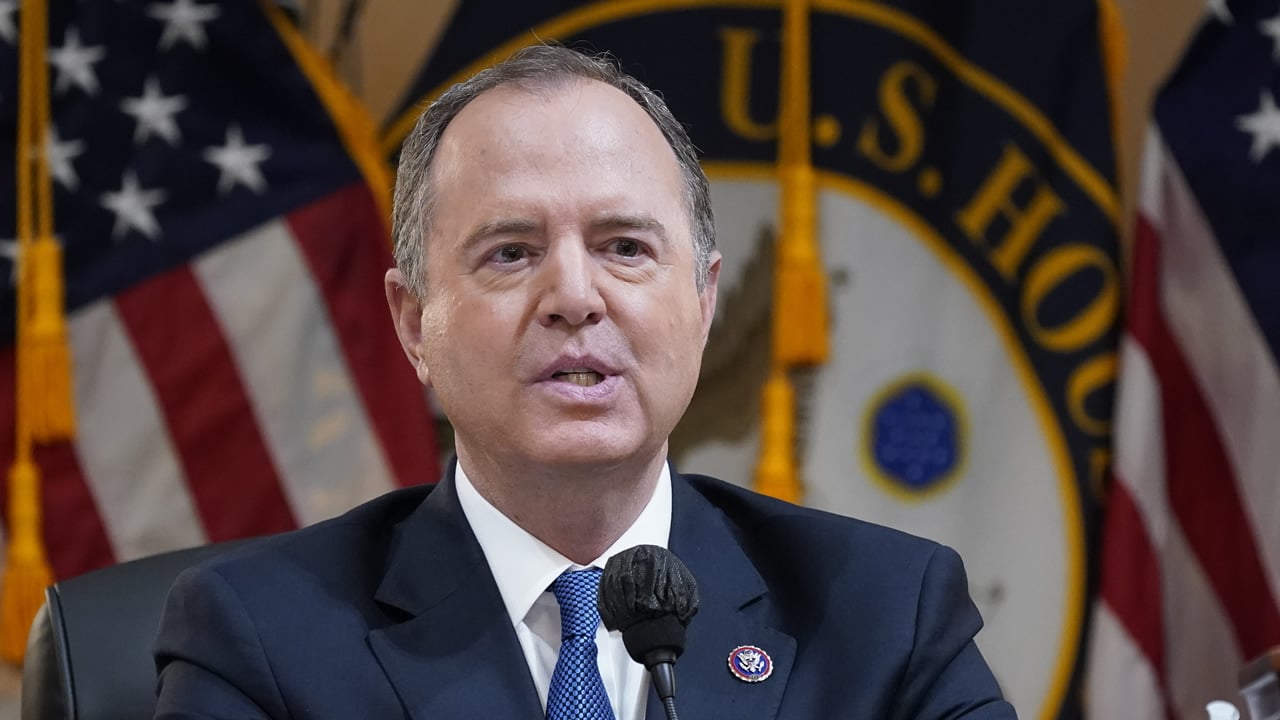
A bipartisan coalition of U.S. senators has put forth a new piece of legislation designed to prevent prediction market platforms from offering contracts related to sports events. This initiative represents the first unified effort in Congress to impose regulations on this rapidly expanding industry.
Championed by Senators Adam Schiff and John Curtis, the proposed bill seeks to prohibit companies under the oversight of the Commodity Futures Trading Commission (CFTC) from listing contracts associated with sporting events. Furthermore, platforms like Kalshi and Polymarket would be restricted from providing any ‘casino-style games,’ which include popular options like slot machines, blackjack, and video poker.
This legislative move comes at a time when tensions are escalating among federal regulators, state officials, and operators of prediction markets regarding the governance of these platforms.
“The CFTC is endorsing these markets and even fostering their expansion. It’s time for Congress to intervene and close this loophole, which undermines state consumer protections, encroaches on tribal sovereignty, and generates no public revenue,” Schiff stated.
Supporters of the bill contend that contracts for sports events essentially function as a form of gambling and should therefore be subject to state regulation rather than federal oversight of commodities.
“Sports prediction contracts are simply sports bets under a different name,” Schiff remarked, adding, “Yet, these contracts have been available in all 50 states in blatant violation of both state and federal laws.”
Senator Curtis emphasized that the legislation also aims to reduce exposure to gambling-like products. “Far too many young individuals in Utah are being exposed to addictive sports betting and casino-style gaming contracts that should fall under state jurisdiction, not federal regulators,” he explained.
“The Prediction Markets Are Gambling Act is focused on honoring state authority, safeguarding families, and keeping speculative financial products out of inappropriate contexts,” Curtis added.
The CFTC has asserted its exclusive jurisdiction over prediction markets, leading to conflicts with various U.S. states that have attempted to impose restrictions on these platforms. Legal disputes have arisen across multiple jurisdictions, including Nevada, Arizona, Michigan, and Massachusetts, involving actions ranging from lawsuits to temporary restraining orders and criminal charges.
Operators in the prediction market space argue that they adhere to federal regulations and caution that stricter controls could push users towards unregulated offshore options. “Prohibiting sports on regulated prediction markets will merely drive this behavior to offshore venues where no oversight exists,” stated Elisabeth Diana, a spokesperson for Kalshi. “This bill appears to be driven by casino interests that feel threatened by competition. They seem more focused on safeguarding their monopolies than on protecting consumers.” The sector has seen significant growth, with total trading volumes hitting $18.3 billion in February, and leading platforms reportedly aiming for valuations around $22 billion.
Traditional betting companies, such as DraftKings and FanDuel, are increasingly viewed as rivals to prediction markets. Following the announcement of the bill, shares of DraftKings and Flutter Entertainment experienced a rise in premarket trading.
Industry organizations have welcomed the proposed legislation. The American Gaming Association described it as “a vital step in reaffirming Congressional intent that all gaming, including sports betting, is not a federal commodity and is governed by state and tribal law.”
“The AGA strongly supports this bipartisan initiative… to uphold state and tribal sovereignty and protect consumers by ensuring that sports and gambling-related contracts are prohibited,” the organization stated.
This legislation is part of a larger trend of proposals in Congress aimed at regulating prediction markets, including efforts to restrict contracts linked to government actions and other sensitive occurrences.
Sports leagues have expressed mixed reactions. While some have voiced concerns regarding integrity risks, Major League Baseball recently formed a partnership with Polymarket, highlighting the increasing convergence between professional sports and prediction platforms.