North Carolina's legislature is currently negotiating a new budget that will permit sports bettors to deduct their gambling losses, as reported by WRAL in Raleigh. This proposal aims to retroactively apply the changes starting January 1, 2025.
At present, North Carolina is among the ten states that do not allow such deductions. The new regulations would also require sportsbooks to report any winnings of $2,000 or more to the state, which is seen as a less severe measure than initially anticipated.
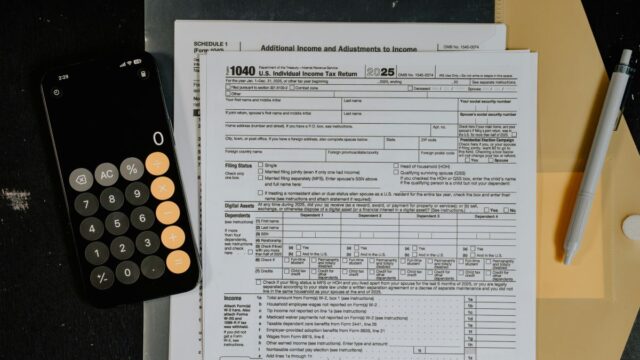
Despite the allowance for loss deductions, bettors who win $2,000 or more at a single sportsbook will still receive a W-2G form and will need to adhere to the federal rule that limits gambling tax deductions to 90%. For instance, if a player wins $2,000 and incurs $2,000 in losses on a platform like FanDuel, they would owe federal income tax on a net gain of $200.
Nationally, a W-2G is also triggered when a bettor wins at least $600 on a wager with odds of 300-to-1 or greater. Regardless of whether a W-2G is issued, players are required to report all gambling wins and losses to the IRS. This means that even small wins at local games should be disclosed to tax authorities, although many recreational bettors do not follow this guideline.
In addition to the proposed changes for bettors, the budget plan includes an increase in the tax rate for sportsbooks from 18% to 23%. Such tax hikes are typically viewed unfavorably within the industry, as they may lead to higher costs for consumers through reduced odds and could drive bettors towards unregulated markets.
The budget also proposes a 6% tax on prediction market operators, although firms like Kalshi and Polymarket may resist this. Kentucky is facing legal action over its attempt to impose a 14.25% tax on prediction markets, with claims that these exchanges fall under federal regulation.
Furthermore, the new sports betting regulations will allocate up to $5.8 million annually from tax revenues to the University of North Carolina-Chapel Hill and NC State, along with other institutions. Currently, the largest public universities in the state do not receive any of these funds, as they are distributed among 13 other schools.