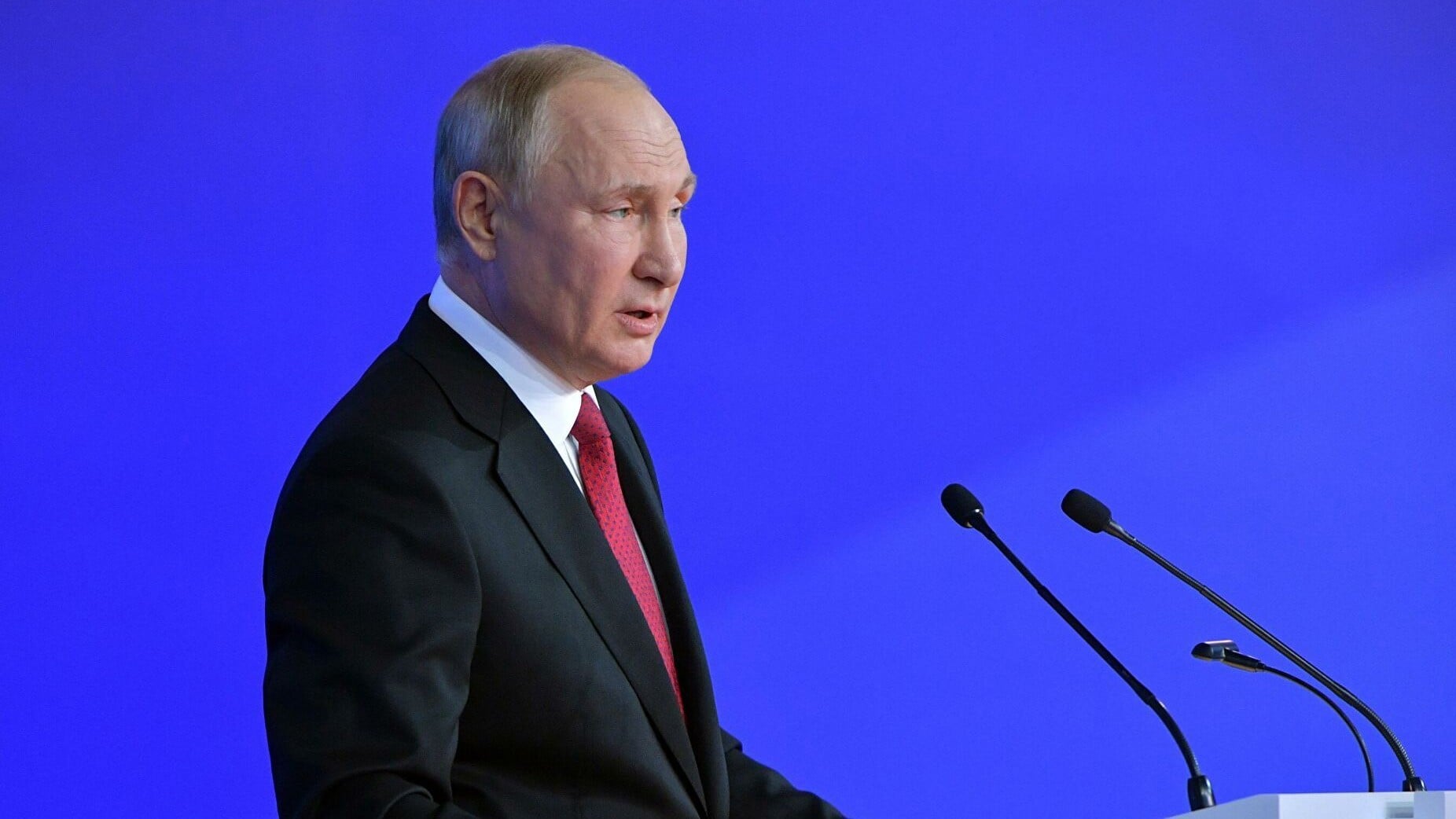
Russian President Vladimir Putin has officially enacted a law to establish a new gambling zone in the Altai Republic, marking it as the sixth designated gambling area in the country and the second within the broader Altai region. This legislation was published on May 2.
The new gambling zone is anticipated to be situated near the Manzherok ski resort, which is owned by Sberbank. Authorities aim to connect this development with tourism, skiing, and hospitality in the picturesque mountainous area. The government projects that this venue will generate over $4 million in annual tax revenue and create more than 1,000 jobs once it is operational.
This decision comes amid increasing fiscal challenges for Russia. The Ministry of Finance had suggested expanding the gambling sector to alleviate budget deficits, which currently stand at $74 billion for the federal treasury and $20 billion for regional budgets—the highest recorded across government categories.
The Altai Republic is one of the least affluent regions in Russia, with 13.8% of its residents living below the established subsistence level. Officials anticipate that the new gambling zone will bolster related businesses, such as hotels, restaurants, and tourism operators, especially as visitor numbers to Russian gambling areas have surged in recent years.
Gambling was completely banned in Russia in 2009 due to concerns over addiction, organized crime, and the societal impacts of casinos in major urban areas. Since then, the government has restricted gambling to tightly regulated zones, often in remote or resort-like locations designed to attract tourists. Current gambling zones include Crimea, Sochi, Krasnodar, Primorye, and Kaliningrad.
The Altai region has historical significance in Russia's gambling landscape, having been home to the first officially designated gambling zone approved in 2007, although it took several years for the project to become fully operational by 2014.
In parallel, Russia is considering broader reforms for online casinos. Finance Minister Anton Siluanov has proposed lifting the ban on iGaming and establishing a Unified Betting Accounting Center, which would impose a 30% tax on gambling revenues. This initiative is expected to generate approximately $1.3 billion in annual tax income, or nearly 100 billion rubles.
Under the current proposal, online casino operators would need to secure official Russian licenses to operate legally. The suggested 30% tax would apply to the profits of operators, while player winnings would be excluded from this calculation.
Although online casinos have been banned in Russia since 2009, offshore operators have continued to target Russian players through mirror sites and duplicate servers, complicating enforcement efforts.