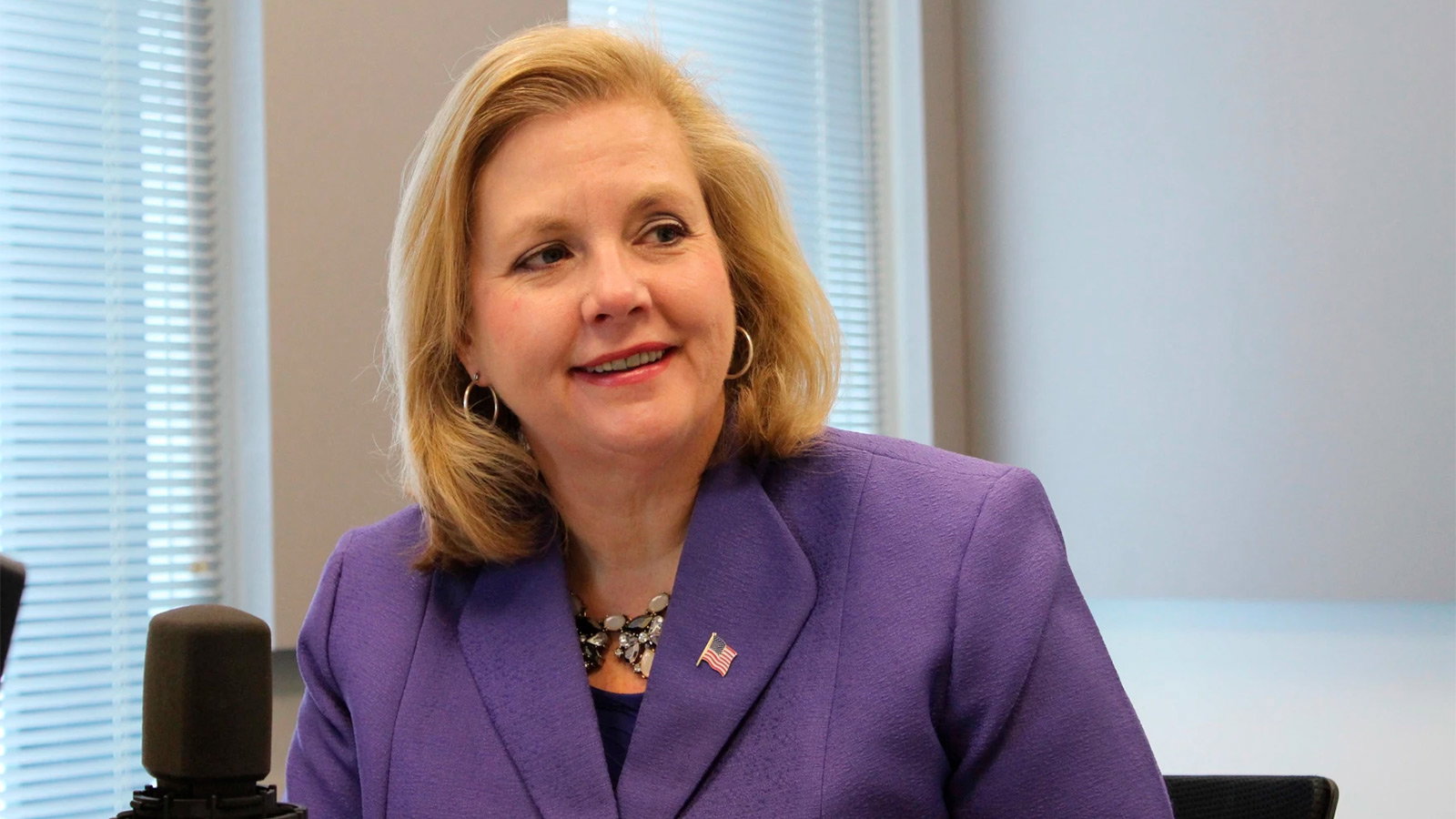
The Attorney General of Missouri, Catherine Hanaway, has mandated that six prediction market operators cease their sports event contracts within the state. These companies have been given a 30-day period to either comply with Missouri's sports wagering regulations or discontinue their operations.
The cease-and-desist notices were sent to Polymarket, Kalshi, Crypto.com, Novig, Underdog, and Robinhood. Hanaway's office asserts that the sports contracts provided by these firms constitute sports wagering, which necessitates licensing from the Missouri Gaming Commission.
In 2024, Missouri voters passed Amendment 2, which legalized and regulated sports betting under the supervision of the Missouri Gaming Commission. The regulated market officially began on December 1, 2025. Sports wagering is allowed through licensed mobile and online platforms, as well as at authorized physical locations, with a 10% tax applied to the gross receipts from sports betting.
Online operators face initial licensing fees and five-year renewal costs that can reach up to $500,000, with the revenue generated supporting educational institutions and the state’s Compulsive Gaming Prevention Fund.
Additionally, the state’s regulations prohibit individuals under the age of 21 from placing sports bets. Hanaway's office indicated that Polymarket, Kalshi, Crypto.com, Underdog, and Robinhood either permit underage users to access their services or lack sufficient measures to prevent participation by those under 21. However, the cease-and-desist letter sent to Novig did not include similar age-related claims.
The issue also revolves around whether sports event contracts are primarily governed by federal commodities regulations or state gambling laws. Hanaway referenced federal court rulings that maintain online sports wagering platforms offering such contracts must adhere to state gambling laws. Her office contends that the Commodity Exchange Act does not override state law in this context and that sports event contracts do not qualify as swaps that are exclusively regulated by federal law.
“Missourians voted for a safe, well-regulated sports wagering market that supports public education and addresses problem gambling. Companies cannot repackage sports bets as ‘event contracts’ to circumvent Missouri law. We will enforce the rules approved by voters and protect consumers,” Hanaway stated on Friday. “Any company wishing to offer sports wagering in Missouri must be licensed by the Missouri Gaming Commission, pay the necessary taxes and fees, and ensure that individuals under 21 cannot place bets.”
The letters specify that these companies may continue their operations only if they secure the necessary Missouri license and fulfill applicable tax and fee requirements. For the five operators cited regarding age restrictions, compliance with Missouri's minimum wagering age is also mandated.
The Attorney General's office noted that Missouri is open to potential future legislative changes, but currently, companies must adhere to existing state laws or cease offering sports wagering products to Missouri residents.
“Noncompliance will lead to enforcement actions by the State of Missouri,” Hanaway warned on Friday.
Robinhood challenged the state's description of its products, asserting: “Robinhood’s event contracts are federally regulated by the Commodity Futures Trading Commission and offered through Robinhood Derivatives, LLC, a CFTC-registered entity, allowing retail customers to access prediction markets in a safe, compliant, and regulated manner.”
Similarly, Polymarket argued that state gambling regulations do not apply to its markets: “Polymarket US maintains that prediction markets are regulated by the Commodity Futures Trading Commission under a federal framework, not a patchwork of state rules.”