The Michigan Gaming Control Board (MGCB) is ramping up its efforts against prediction market operator Kalshi, taking the fight beyond legal proceedings and into the realm of responsible gambling. This move follows the recent issuance of a temporary restraining order against Kalshi’s sports event contracts.
This week, the MGCB announced its decision to withdraw from the National Council on Problem Gambling (NCPG), citing concerns that the organization’s ties with Kalshi undermine state-level gambling enforcement and consumer protection initiatives.
The restraining order, granted by Ingham County Circuit Court Judge Rosemarie Aquilina, prohibits KalshiEX from offering sports-related event contracts to residents of Michigan. Noncompliance with this order could result in fines of up to $120,000 per day.
While the court's ruling is a significant milestone in the ongoing legal battle over prediction markets, Michigan regulators are now focusing on the wider public health implications associated with the rapid growth of sports event contracts.
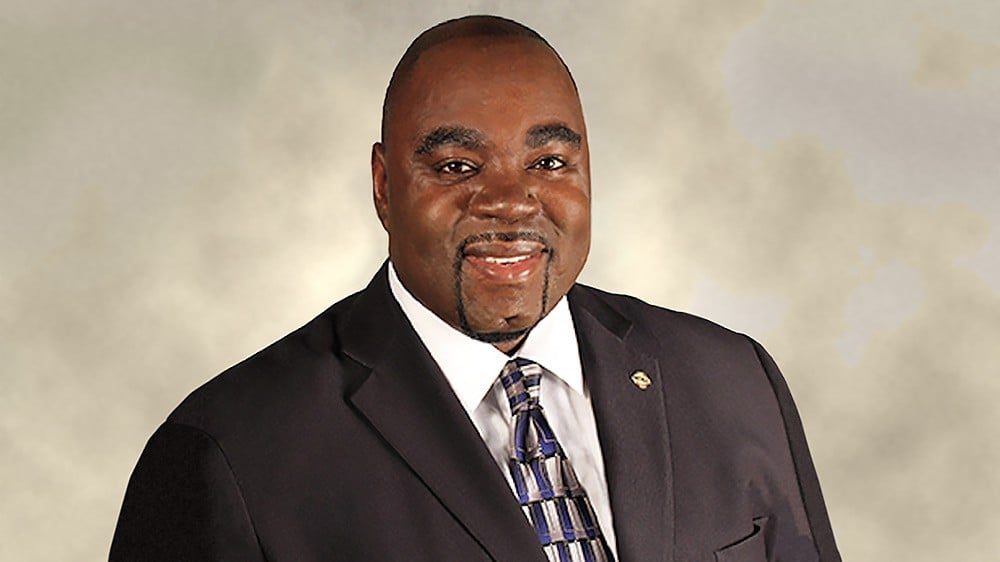
MGCB Executive Director Henry Williams expressed strong disapproval of the NCPG’s collaboration with Kalshi, accusing the platform of running what he termed an illegal gambling operation while misrepresenting sports betting as an investment opportunity.
In a letter to NCPG Executive Director Heather Maurer, Williams voiced his concerns that Kalshi’s portrayal of sports event contracts as financial products contradicts the principles of responsible gambling. He stated, “I am deeply concerned that Kalshi’s attempts to distinguish sporting event contracts from other forms of sports betting by claiming that its offerings are akin to ‘investment’ or ‘insurance’ products directly undermine a foundational message of responsible gaming: that gambling in any form is for entertainment purposes only.”
The MGCB has consistently stressed that licensed sportsbooks in Michigan must adhere to strict consumer protection standards, including age verification, self-exclusion programs, deposit limits, and responsible gambling measures. According to the MGCB, Kalshi operates outside these regulations while still providing products that resemble traditional sports betting.
Additionally, the regulator raised concerns that collaborations between organizations focused on preventing gambling harm and prediction market companies could mislead consumers regarding regulatory oversight and player protections.
Williams noted, “NCPG’s partnership with Kalshi also creates substantial confusion by suggesting to the public that Kalshi is subject to the same consumer protections, licensing requirements, and regulatory oversight as licensed sports betting operators.”
This conflict highlights the growing national debate over sports event contracts and prediction markets, which are expanding under federal oversight from the Commodity Futures Trading Commission (CFTC). Companies like Kalshi argue that their platforms function as peer-to-peer financial exchanges rather than gambling entities, a stance many state regulators continue to dispute.
As Kalshi experiences rapid growth, with reports indicating over $17 billion in trading volume during the World Cup's opening weeks, Michigan's legal challenge comes at a critical time. The MGCB asserts that its enforcement actions aim to safeguard consumers, especially younger individuals and those at risk of gambling-related harm, while also ensuring tax revenue supports education, addiction treatment, public safety, and other state programs.