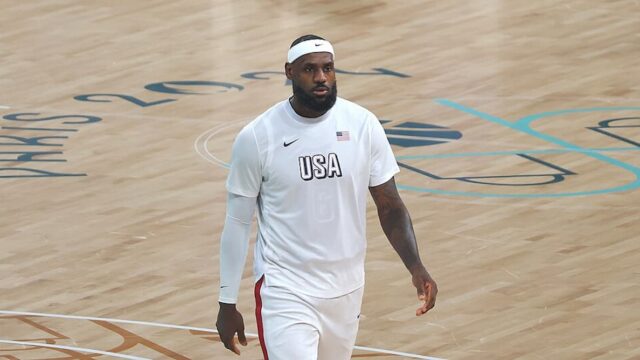
NBA superstar LeBron James has recently teamed up with prediction market platform Polymarket, marking a significant move in the world of sports betting. This partnership, announced earlier this month, highlights the increasing trend of professional athletes aligning with prediction markets.
In his new role, James will share his weekly NFL predictions on Polymarket, a shift from his previous endorsement of DraftKings Sportsbook. Just three years ago, he expressed concerns about the influence of online betting on the integrity of sports, stating, “It’s kind of taken some of the integrity out of the game because people are kind of really only caring about the betting.”
James' two-year agreement with Polymarket is reportedly valued at $8 million, underscoring the financial allure of these partnerships. The growing list of sports icons, including figures like Spike Lee, promoting Polymarket further solidifies its presence in mainstream culture.
Despite the excitement surrounding the partnership, it faced criticism following its announcement. Polymarket has since launched promotional content featuring James alongside other sports figures such as Derek Jeter and Eli Manning, revealing a strong alignment in public sentiment towards these endorsements.
While Polymarket has gained traction, it faces stiff competition from rival Kalshi, which has secured high-profile partnerships, including NBA star Giannis Antetokounmpo. Kalshi has also recently formed agreements with multiple Major League Baseball teams, raising questions about the future of prediction markets amid ongoing legal challenges.
As the legal landscape evolves, the future of these partnerships remains uncertain. Should the Supreme Court rule against sports event contracts, platforms like Polymarket may need to pivot their focus. However, the resilience of prediction markets suggests they will continue to thrive, albeit in a different form.
In conclusion, the collaboration between LeBron James and Polymarket not only enhances the platform's credibility but also reflects a broader trend of athletes embracing the prediction market space.