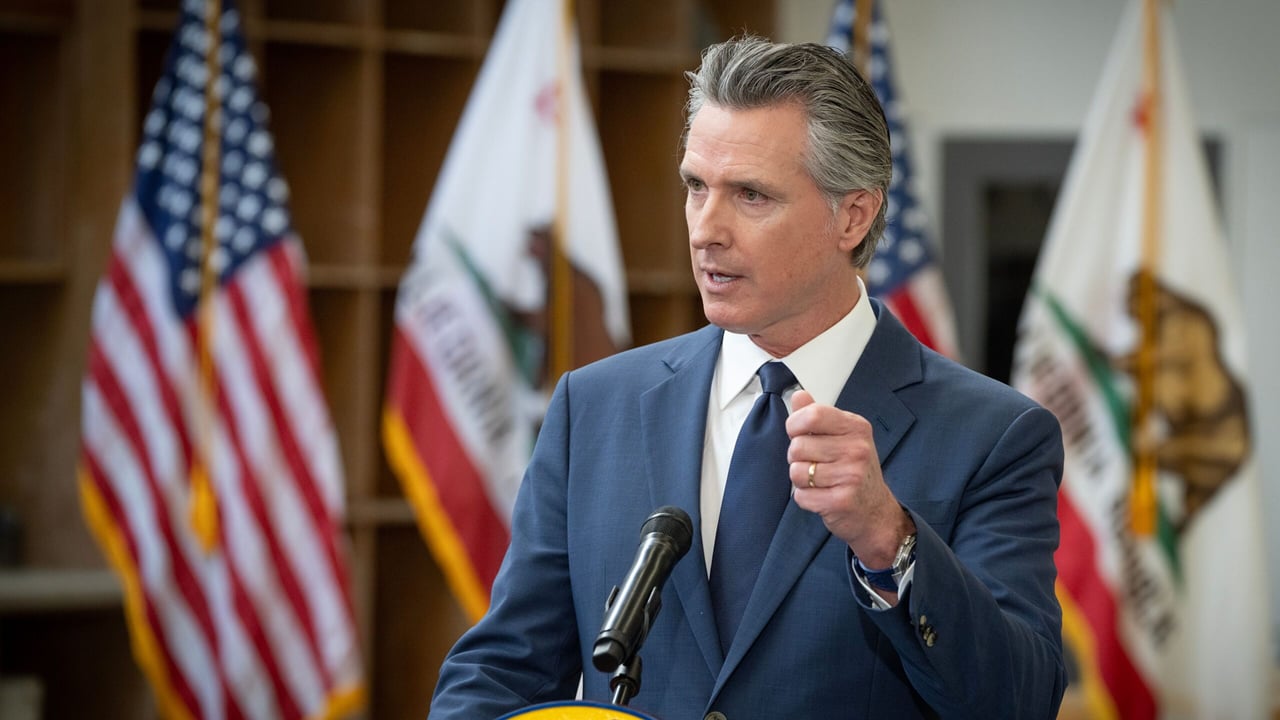
California Governor Gavin Newsom has officially enacted Assembly Bill 2173, which ratifies a revised tribal-state gaming compact between the state and the Agua Caliente Band of Cahuilla Indians, extending the agreement until December 31, 2061.
This legislation, introduced by Assemblymember Greg Wallis, provides the tribe with greater flexibility for future expansion, including the potential addition of up to 500 gaming devices. Additionally, it modifies the tribe's contributions to California's Revenue Sharing Trust Fund, which aids tribes with limited or no gaming operations.
A tribal-state gaming compact is a legal framework that governs casino operations between a U.S. state and a Native American tribe. AB 2173 was approved unanimously by both chambers of the California Legislature. As it was designated as an urgency measure, the law took effect immediately after Governor Newsom's signature.
The Agua Caliente reservation encompasses large areas of Palm Springs, Rancho Mirage, and Cathedral City. The tribe is a significant employer in the Coachella Valley, providing jobs to approximately 3,200 individuals across its gaming and non-gaming sectors.
“Agua Caliente has been a vital partner in the Coachella Valley for generations, collaborating closely with local governments and investing in our communities,” noted Assemblymember Wallis.
“This agreement honors tribal sovereignty, fosters ongoing economic opportunities, and strengthens a partnership that has brought tangible benefits to our region. I appreciate Governor Newsom for signing AB 2173 and commend Chairman Jeff Grubbe and the tribe for their efforts in finalizing this agreement.”
The amendment to the compact arrives as California is also tightening regulations on cardroom gaming. Earlier this year, the California Department of Justice proposed new rules that impose restrictions on how hands are determined, ban certain terms traditionally linked to games like blackjack, and enhance eligibility criteria for player-dealers.
In response, the California Gaming Association and several operators filed two lawsuits in San Francisco Superior Court to seek injunctions against these regulations.