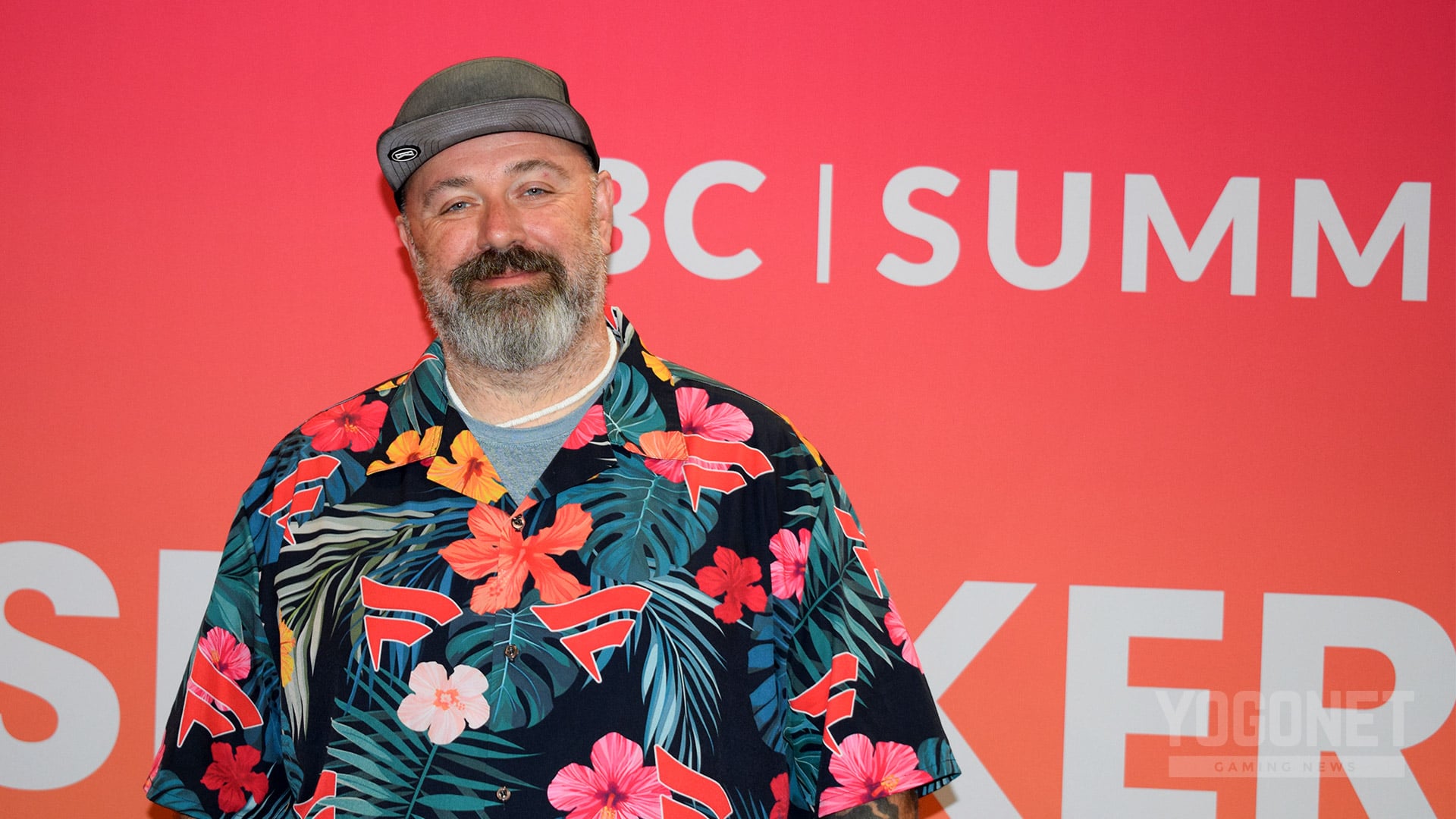
At the recent SBC Summit Americas held in Florida, Ian Botts, the Chief Technology Officer of Fanatics Betting & Gaming, shared insights on how the company’s extensive ecosystem—which includes sports betting, merchandise, collectibles, and live fan experiences—sets it apart in a crowded sportsbook market. Speaking as one of the prominent figures in the event’s conference, Botts emphasized that the company's technological and product strategies are deeply influenced by its capacity to engage with various aspects of sports fandom beyond just betting.
In an interview with Yogonet, Botts elaborated on the increasing significance of artificial intelligence in sportsbook operations, the infrastructure hurdles associated with handling the surge in traffic during major events like the World Cup, and the innovative products he believes will shape the future of the industry. Drawing from his extensive background at Amazon, he stressed the importance for operators to embrace a consumer-tech approach focused on personalization, minimizing friction, and prioritizing customer experiences.
Fanatics operates in multiple sectors, including betting, merchandise, and collectibles. When asked how this broad ecosystem affects their technological and product development compared to traditional sportsbook operators, Botts stated, “It’s absolutely fundamental. One of the main reasons I joined Fanatics was because of that ecosystem. It drives both our technology strategy and our product roadmap.”
He pointed out that many sportsbooks lack differentiation, often providing similar offerings. What distinguishes Fanatics is its surrounding ecosystem—collectibles, merchandise, and events like Fanatics Fest, scheduled for this July alongside the World Cup. This allows fans to engage with sports in a more comprehensive manner, moving beyond just betting to include purchasing tickets, jerseys, and memorabilia.
This diversified ecosystem transforms the product experience, which Botts believes is a key factor in Fanatics Sportsbook’s strong appeal to customers. The company has already secured its position as the third-largest sportsbook operator in the U.S. without resorting to the extensive media campaigns that many competitors utilize.
When discussing the challenges posed by major sporting events like the World Cup, Botts highlighted the critical need for scalability and preparation. Drawing on his decade-long experience at Amazon, he noted the implementation of engineering practices that enhance operational efficiency.
One key strategy is the concept of “Game Days,” where the team simulates high traffic loads during off-peak hours to stress-test the platform. “I’m very cautious about scale,” Botts remarked with a laugh. “If I’m told to prepare for a specific number of users, I plan for ten times that.” He aims to avoid situations where demand exceeds the platform’s capabilities.
Botts explained that the behavior of sports betting traffic differs significantly from that of a stadium audience. While fans may arrive hours before a game in a stadium, bettors typically log on just moments before a game begins, returning at critical points to check their bets or during tournament breaks. This creates intense pressure on the system, necessitating real-time processing of odds, bet settlements, and large volumes of information.