A coalition of Democratic lawmakers has formally requested that the Commodity Futures Trading Commission (CFTC) implement regulations aimed at curbing insider trading and limiting event contracts related to elections, military actions, government initiatives, and sports.
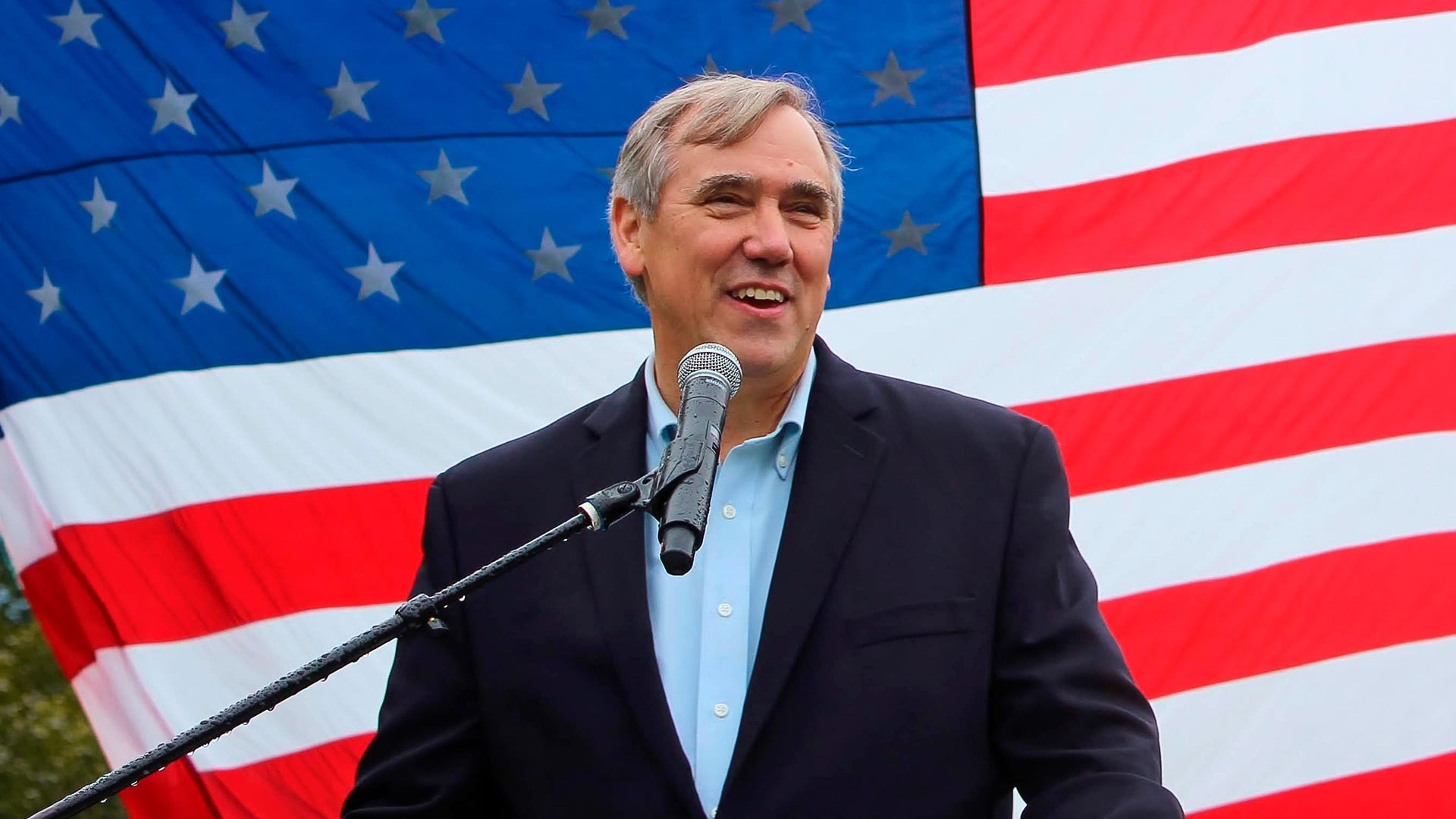
In a letter spearheaded by Oregon Senator Jeff Merkley, the legislators urged the regulatory body to address what they termed the “rapid erosion of integrity” within prediction markets, notably platforms like Kalshi and Polymarket.
“We strongly encourage you to exercise your authority to uphold the purpose of prediction markets and the congressional intent behind the Commodity Exchange Act by establishing a rule that prevents insider trading and corruption, while prohibiting event contracts on the outcomes of elections, military actions, sports, and government activities unless there is a legitimate economic hedging interest,” the letter stated.
The correspondence was also endorsed by Senators Richard Blumenthal (Connecticut), Chris Van Hollen (Maryland), Sheldon Whitehouse (Rhode Island), and Representative Jamie Raskin (Maryland).
Prediction markets have gained popularity over the last year, enabling users to bet on various outcomes in politics, entertainment, and sports. However, this sector has faced scrutiny following several notable incidents.
Recently, authorities apprehended a US soldier accused of placing bets on Polymarket prior to military operations in Venezuela, which reportedly generated $400,000 in revenue. Additionally, Kalshi suspended and fined three political candidates for allegedly trading on their own campaigns.
This year, lawmakers have proposed several bills targeting insider trading and event contracts. One initiative led by Merkley seeks to prevent certain government officials from participating in prediction markets, while another aims to ban contracts related to elections, military actions, and sports.
The letter from lawmakers expressed concern that contracts tied to election results “pose a danger to our democracy and elections.”
“Such contracts did not exist in the United States prior to 2024 for good reason,” they noted. “Election-related prediction contracts create a financial incentive for political insiders to manipulate the behavior of American voters.”
Contracts related to sports comprise a significant portion of trading activity on various platforms. According to the Congressional Research Service, sports accounted for nearly 90% of bets on Kalshi for the year ending in February, while on Polymarket, this category represented 38% of all contracts.
The segment has faced opposition from state regulators and casino operators, who argue that these contracts fall under gambling regulations.
“Event contracts related to sports outcomes diverge significantly from the CFTC’s mission. They exemplify how these contracts represent gambling and infringe upon states’ rights to regulate such activities,” the lawmakers asserted.
In March, the Commodity Futures Trading Commission initiated a public consultation as part of its rulemaking process, with the comment period concluding on Thursday.
“Today’s action marks a significant step in the Commission’s ongoing effort to foster responsible innovation in our derivatives markets,” stated CFTC Chair Michael Selig. “This initiates a new rulemaking process grounded in a rational interpretation of the Commodity Exchange Act, assuring the American public that the CFTC will maintain its exclusive jurisdiction over prediction markets.”
This rulemaking effort comes as the agency challenges attempts by several states to regulate prediction markets. The CFTC has initiated legal actions against states that issued cease-and-desist orders, asserting that oversight is a federal responsibility.
In April, a federal appeals court determined that New Jersey regulators could not prohibit the use of Kalshi for sports-related contracts.