The state of Connecticut has mandated that nine prediction market platforms cease their operations related to sports event contracts for local residents. This move is part of a broader initiative to enforce regulations against what the state deems illegal and unlicensed sports betting activities.
The Department of Consumer Protection has issued cease-and-desist orders to companies including Polymarket, Coinbase, Crypto.com, Robinhood, ProphetX, Novig, Webull, Gemini, and Underdog Predict. These firms are required to halt any advertising, promotion, or availability of sports event contracts within Connecticut and must allow local customers to withdraw their funds.
Officials have warned that noncompliance could result in civil penalties under the Connecticut Unfair Trade Practices Act or even criminal charges under state gaming regulations.
This enforcement action follows a ruling from a federal judge in August, which determined that sports event contracts are classified as illegal, unlicensed gambling and are not safeguarded by federal commodities law. Earlier in the month, the state also filed a lawsuit against Kalshi, seeking an injunction to stop it from offering unlicensed sports wagers in Connecticut.
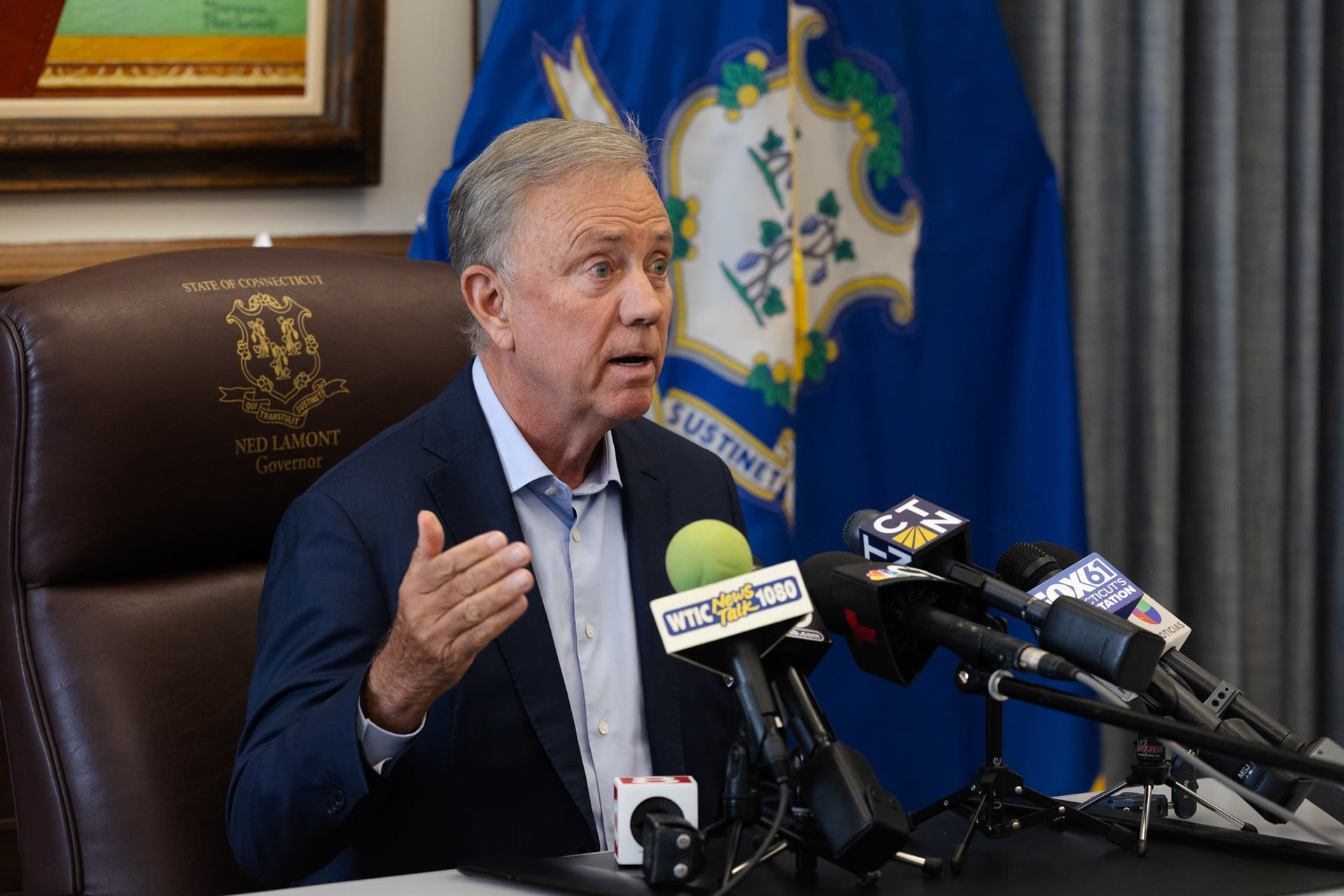
Governor Ned Lamont emphasized the state's commitment to consumer protection, particularly for vulnerable groups such as young individuals and those struggling with gambling addiction. He criticized prediction markets for misrepresenting their legality and safety, stating that the intention behind legalizing sports wagering in 2021 was to establish a secure and regulated market for Connecticut residents.
In Connecticut, sports prediction markets function as peer-to-peer platforms where users can buy and sell contracts based on the outcomes of sporting events. The state asserts that these products breach local gaming and unfair trade practices laws when offered without appropriate licensing.
Furthermore, officials noted that these prediction markets have accepted bets from individuals under the legal betting age of 21 and from those on Connecticut's voluntary self-exclusion list. Some platforms have also been reported to accept wagers on college sports, which is against state law.
Connecticut Consumer Protection Commissioner Bryan T. Cafferelli reiterated that sports betting can only be conducted by licensed sportsbooks that comply with state regulations. He assured that the agency will persist in its efforts to shield consumers from deceptive practices that jeopardize their financial security and well-being.
The American Gaming Association projects that approximately $40 billion will be wagered on the NFL via prediction markets this year. One such market reported close to $250 million in trading volume for college football on the opening day of the 2026 season.
As part of its investigation, the Department of Consumer Protection has issued subpoenas to nine licensed gaming service providers, 15 media organizations, and five app-related businesses for information pertinent to the case. Notably, these recipients are not under investigation themselves.
Licensed service providers include PayPal, LexisNexis, and SportRadar Solutions, among others. Media organizations involved are Hearst Connecticut Media, ESPN, and NBC Connecticut, while major app platforms like Apple App Store and Google Play have also been subpoenaed.
Currently, Connecticut has licensed DraftKings through Foxwoods, FanDuel through Mohegan Sun, and Fanatics through the Connecticut Lottery.