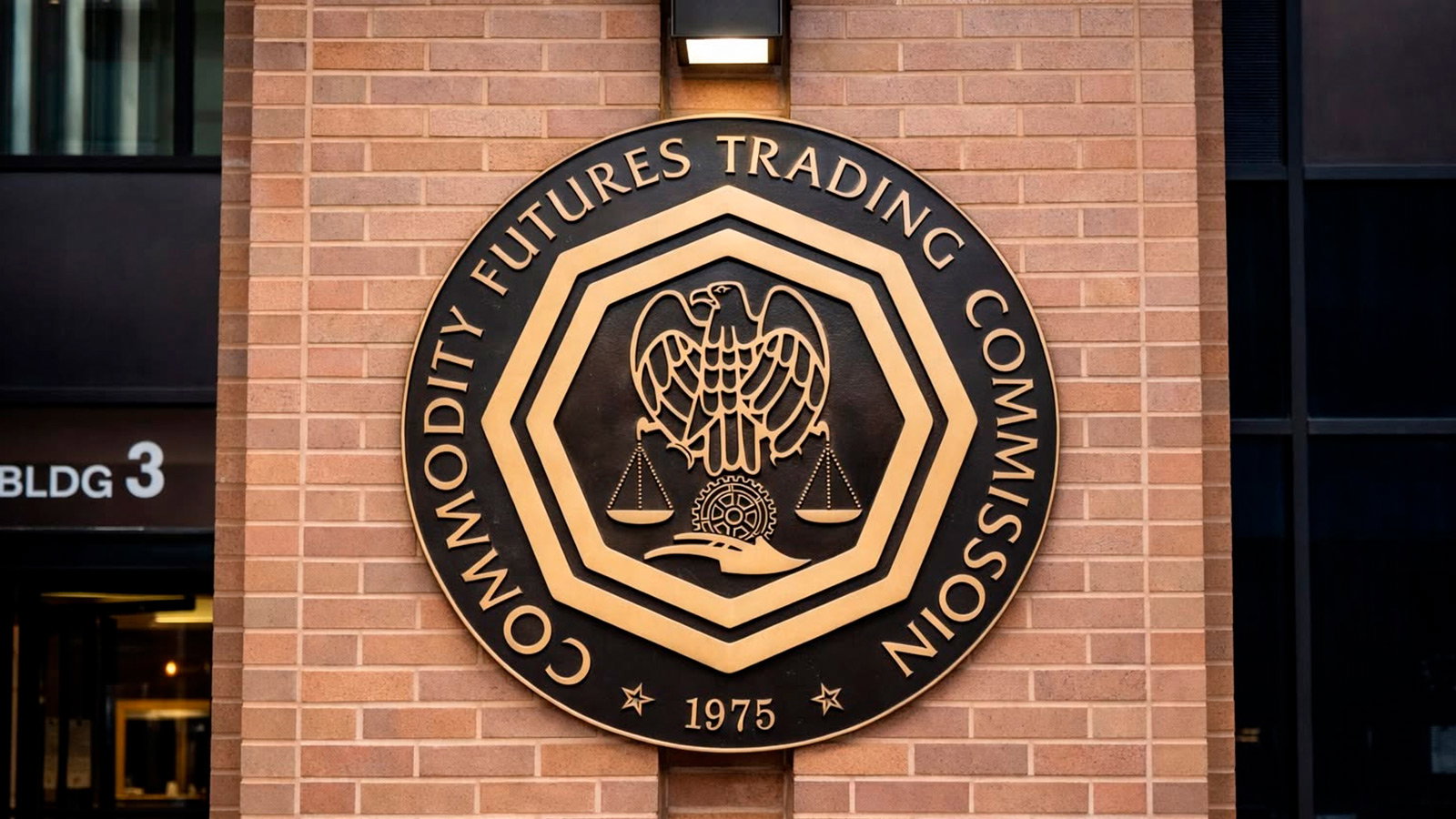
A recent court order from New York aimed at halting Kalshi's operations is not the end of the road for the exchange, according to the Commodity Futures Trading Commission (CFTC). In an emergency order letter released on Tuesday, the CFTC asserted its authority to maintain the exchange's operations, regardless of the court's decision.
This letter was a response to a lawsuit filed by New York against Kalshi in state court last month, following a federal court's refusal to shield the company from the state's allegations.
The state is pursuing a temporary restraining order that would prevent Kalshi from conducting any business related to contracts on sports, cultural events, elections, and more, specifically within or directed at individuals in New York.
Kalshi, which is based in New York, informed the CFTC that such an order would go beyond just sports contracts and effectively halt all its business activities.
Financial implications are significant, as New York's request includes a staggering $36 billion penalty, calculated under a state law that allows regulators to impose fines on illegal gambling operators at three times their earnings, plus an additional $100,000 for each bet made within the state.
This amount far exceeds Kalshi's financial capacity, as the company's total revenue from fees throughout its history is under $2 billion, and its latest funding round valued it at $22 billion, which is still insufficient to cover the potential penalty.
CFTC Chair Michael Selig described the lawsuit as an effort to undermine the event contract industry before it has the chance to be evaluated in court. He stated, “New York aims to suffocate event contract derivatives under its stringent state gaming laws before the courts can make a definitive ruling.”
Selig emphasized that Congress did not intend for derivatives exchanges to be subject to a fragmented system of state regulations. He pointed out that these exchanges function as financial markets that facilitate transactions across state lines, matching offers and bids from residents of different states and processing trades through a clearinghouse that supports transactions nationwide.
The CFTC's letter contends that closing Kalshi would be akin to dismantling a federally regulated designated contract market. Hence, the agency believes it can use emergency powers to keep the exchange operational if New York's order is enforced.
The CFTC stated, “New York's enforcement action and request for a temporary restraining order represent an emergency situation that disrupts the market's ability to accurately reflect supply and demand dynamics for event contracts.”
They warned that allowing the temporary restraining order to remain in effect would grant New York excessive control over a market that operates across the entire country. “If New York's lawsuit, seeking such extreme relief, is allowed to proceed, a single state would effectively become the national regulator for event-contract swaps on designated contract markets,” the agency noted. “This contradicts the federal structure intended by Congress for derivatives regulation.”
According to the CFTC, the mere existence of a potential order like New York's TRO could destabilize pricing throughout the industry, leading to a “risk premium” being added to event contracts. This would cause prices to deviate from their intended probabilities, with variations depending on the exchange's location, thereby complicating the market further.