The Commodity Futures Trading Commission (CFTC) has initiated legal proceedings against the state of Kentucky, intensifying the ongoing conflict regarding the regulatory oversight of prediction market platforms. This dispute centers on whether these platforms should adhere to federal commodities regulations or state gambling laws.
This lawsuit follows a recent action by Kentucky Attorney General Russell Coleman, who filed a case against Kalshi and Polymarket, alleging that these companies are running illegal sportsbooks and violating state regulations.
In a press release announcing the lawsuit, Coleman stated, “Kalshi and Polymarket are operating illegal sportsbooks in Kentucky and breaking our laws.” He further emphasized the dubious nature of these large corporations, remarking, “These multi-billion dollar corporations and their legal fictions don’t pass the sniff test.” He quoted a state legislative leader, saying, “If it looks like a duck and quacks like a duck…”
The CFTC contends that the platforms provide federally regulated event contracts, categorized as swaps, which fall under its jurisdiction. Conversely, states arguing against these platforms maintain that the sports-related event contracts are akin to sports betting, which they regulate.
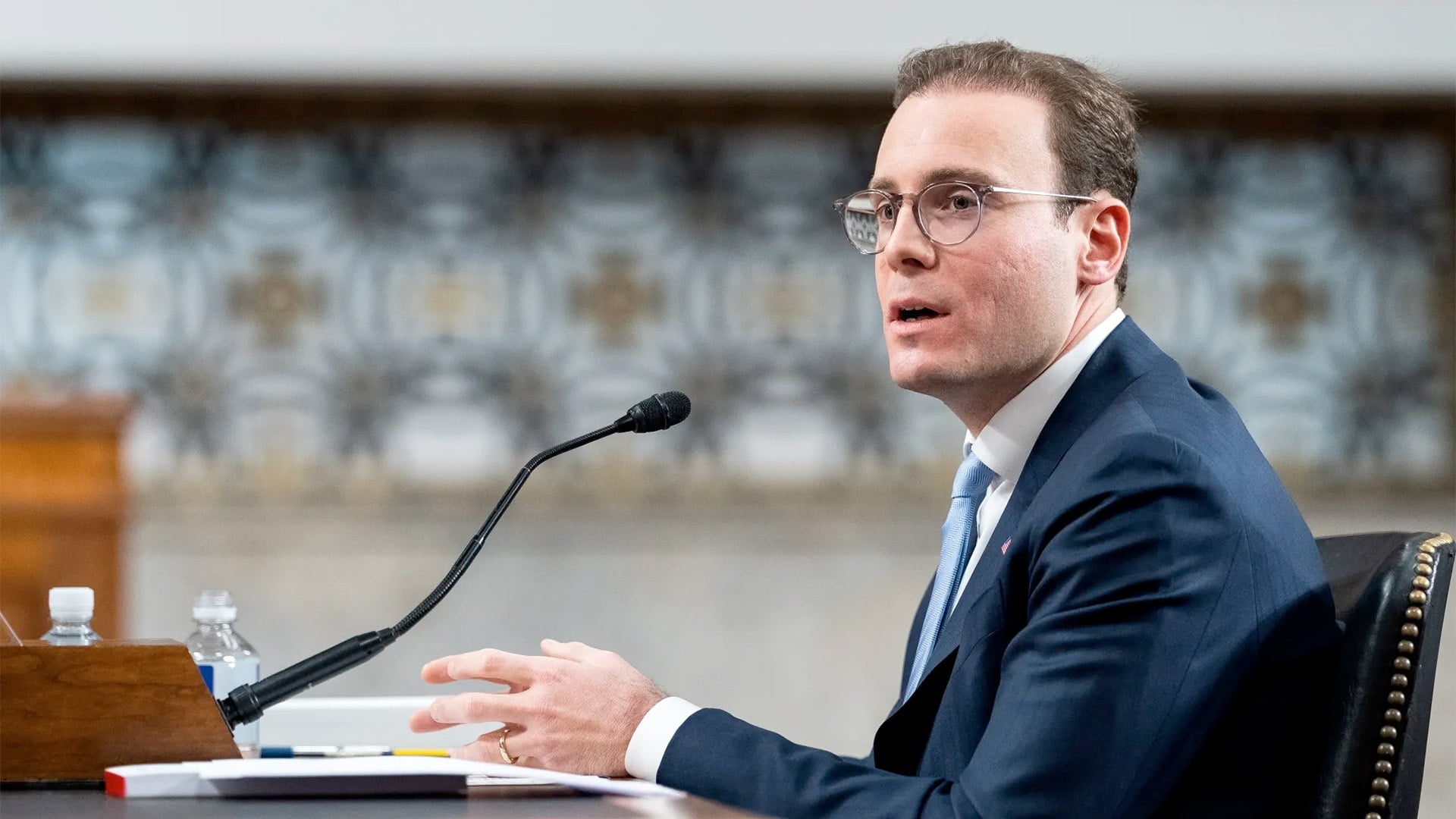
CFTC Chair Michael Selig remarked, “Kentucky is the latest state attempting to shut down federally-regulated event contracts.” He noted that prediction markets offer Kentuckians important insights into the probability of future events and provide risk management tools essential for local businesses and individuals.
Selig reiterated the CFTC's commitment to preserving its exclusive jurisdiction over prediction markets, stating that the lawsuit against Kentucky exemplifies the Commission's dedication to safeguarding federal interests.
Kentucky marks the ninth state to face legal action from the CFTC in this ongoing dispute and is the first state with a Republican attorney general involved. Currently, twenty states are engaged in litigation against prediction market platforms, with one state having already moved to prohibit them. Earlier this year, Kentucky also imposed an excise tax on these platforms, a decision that has drawn criticism from the CFTC.
Since Selig's confirmation as chair late last year, the agency has intensified its efforts to assert jurisdiction over these markets. In February, he declared his intention to contest any state efforts to regulate the platforms. Additionally, former President Trump highlighted the importance of the CFTC retaining exclusive authority over prediction markets.