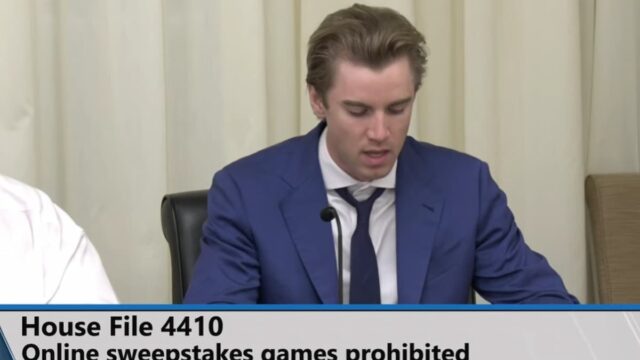
Patrick Fechtmeyer, the CEO of ARB Interactive, shared insights with Gambling Insider regarding the strategy of the sweepstakes casino sector. He emphasized that the industry has opted for negotiations and state-specific engagement with lawmakers, in contrast to the litigation approach taken by prediction market operators like Kalshi. Fechtmeyer views 2026 as a transformative year for the sweepstakes sector.
ARB Interactive, which runs the sweepstakes casino Modo and acquired Publishers Clearing House last year, is actively participating in this dialogue. Fechtmeyer’s comments are part of a larger Q&A session with Gambling Insider, set to be released later this week.
This year has seen states like Indiana, Maine, and Oklahoma pass laws aimed at regulating sweepstakes casinos, following six states that implemented restrictions in 2025. Additionally, Tennessee and Louisiana are currently awaiting decisions from their governors regarding similar legislative measures.
In Iowa, Governor Kim Reynolds recently signed SF 2289, which enhances the enforcement powers of regulators against illegal sweepstakes operators.
When asked why sweepstakes operators have refrained from legal challenges against state enforcement actions, Fechtmeyer explained that the two sectors operate under different legal frameworks. While prediction markets are regulated federally, sweepstakes laws fall under state jurisdiction.
Fechtmeyer stated, “This is a different strategy. The sweepstakes industry is focused on collaborating with regulators and finding solutions instead of resorting to lawsuits.” He noted that the sweepstakes sector aims to engage with lawmakers on a state-by-state basis, addressing the unique needs of each state.
Despite the increasing legislative challenges, Fechtmeyer remains optimistic about the future, seeing 2026 as a critical turning point. He highlighted the establishment of the Social Gaming Leadership Alliance (SGLA) last year, which has sparked discussions on modernization and regulation within the industry.
“We’re noticing that our perspectives are starting to gain attention,” he remarked, adding that he believes states will eventually recognize the potential of these games to create a safe and enjoyable new category in the U.S. market.