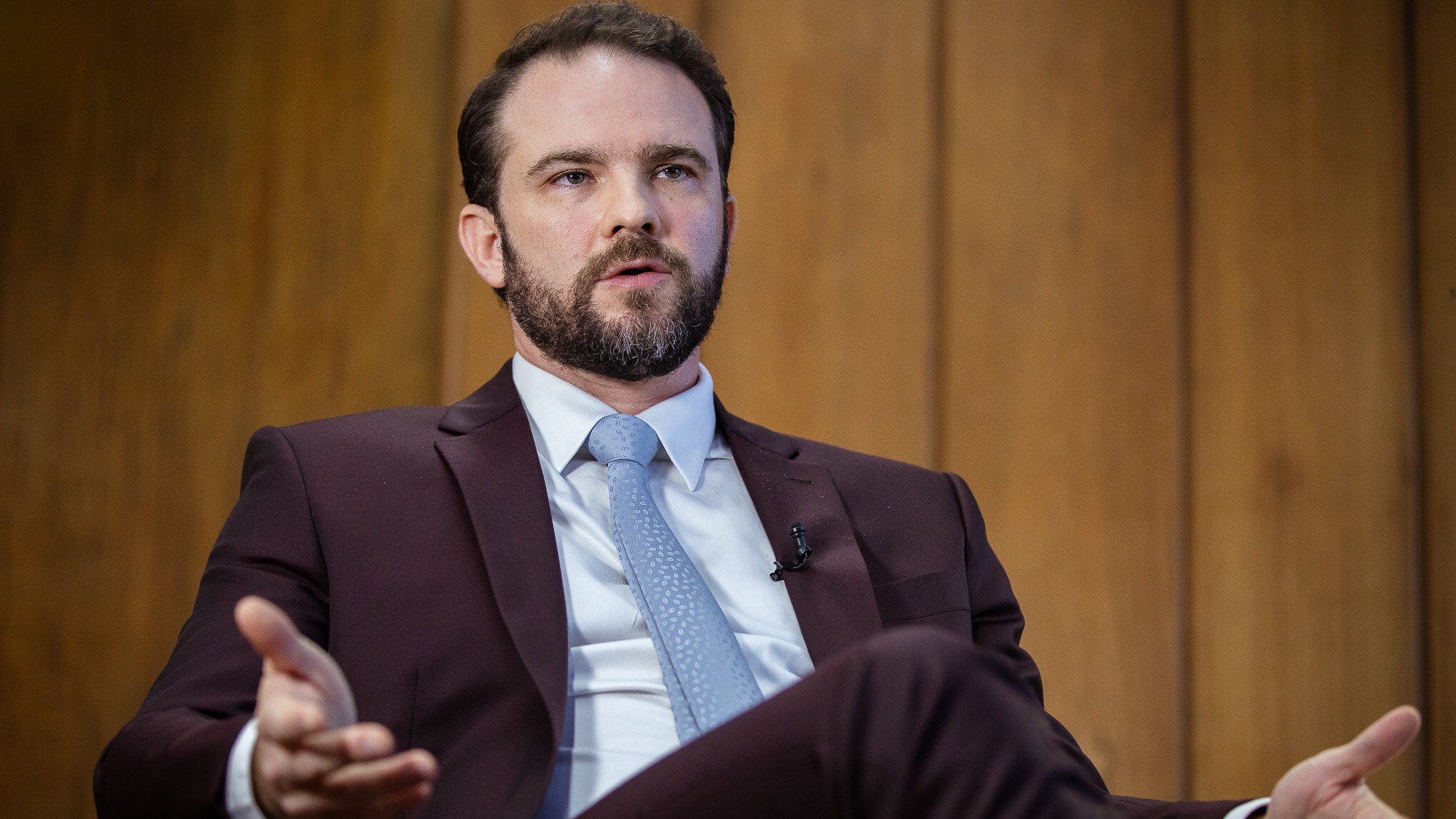
Brazil's Finance Minister, Dario Durigan, revealed that President Luiz Inácio Lula da Silva would have preferred to completely ban online betting. This statement comes as the government disclosed that 6.2 million Brazilians have already been restricted from accessing regulated betting platforms.
In a recent interview with Rádio Metrópole, Durigan defended the government's regulatory measures while recognizing its increasingly stringent approach to gambling. He emphasized the necessity for Brazil to impose limits on gambling activities without fostering an illegal market.
“President Lula has expressed his disapproval of betting, and if it were his decision, he would eliminate it entirely,” Durigan noted, indicating his agreement with the sentiment. However, he acknowledged that outright prohibition may not be effective, given the entrenched nature of betting in Brazil.
Durigan pointed out that the government has already implemented significant restrictions, with 5 million individuals currently barred from online betting platforms due to these measures. This group includes recipients of Bolsa Família and the Continuous Benefit Payment (BPC), who are blocked through their CPF, as well as participants in the Desenrola debt renegotiation program, where restrictions on betting are a prerequisite for participation.
Additionally, around 1.2 million Brazilians have voluntarily opted for self-exclusion, raising the total number of individuals removed from regulated betting platforms to approximately 6.2 million.
The self-exclusion system, introduced by the Ministry of Finance at the end of 2025, allows users with a gov.br account to request a nationwide ban. Once activated, this restriction applies to all legally regulated betting websites and applications in Brazil.
Durigan also criticized past administrations for permitting the expansion of online betting without a robust regulatory framework. Digital betting was legalized in Brazil in 2018 during Michel Temer's presidency, but comprehensive regulations were not enacted until 2023 under Lula's leadership. He remarked that betting companies had operated for years without effective oversight while embedding themselves in Brazilian football, advertising, television, radio, and Congress.
“We had to initiate our efforts in 2023 to rectify the chaos left by the Temer and Bolsonaro governments,” he stated.
Durigan contended that the established presence of betting makes a return to outright prohibition challenging and could inadvertently promote unlicensed operators.
Looking forward, he likened the government's strategy to its long-term tobacco control measures, suggesting that increased taxes and progressively stricter regulations could curtail betting consumption without entirely eliminating the legal market. “We need to treat betting similarly to cigarettes, which are heavily taxed,” he explained, citing Brazil's success in reducing smoking rates as an example.
This approach aims to make betting more expensive and restricted rather than imposing a complete ban. The government's challenge lies in balancing consumer protection and reducing gambling while avoiding the risk that excessive restrictions could drive players towards illegal betting platforms.