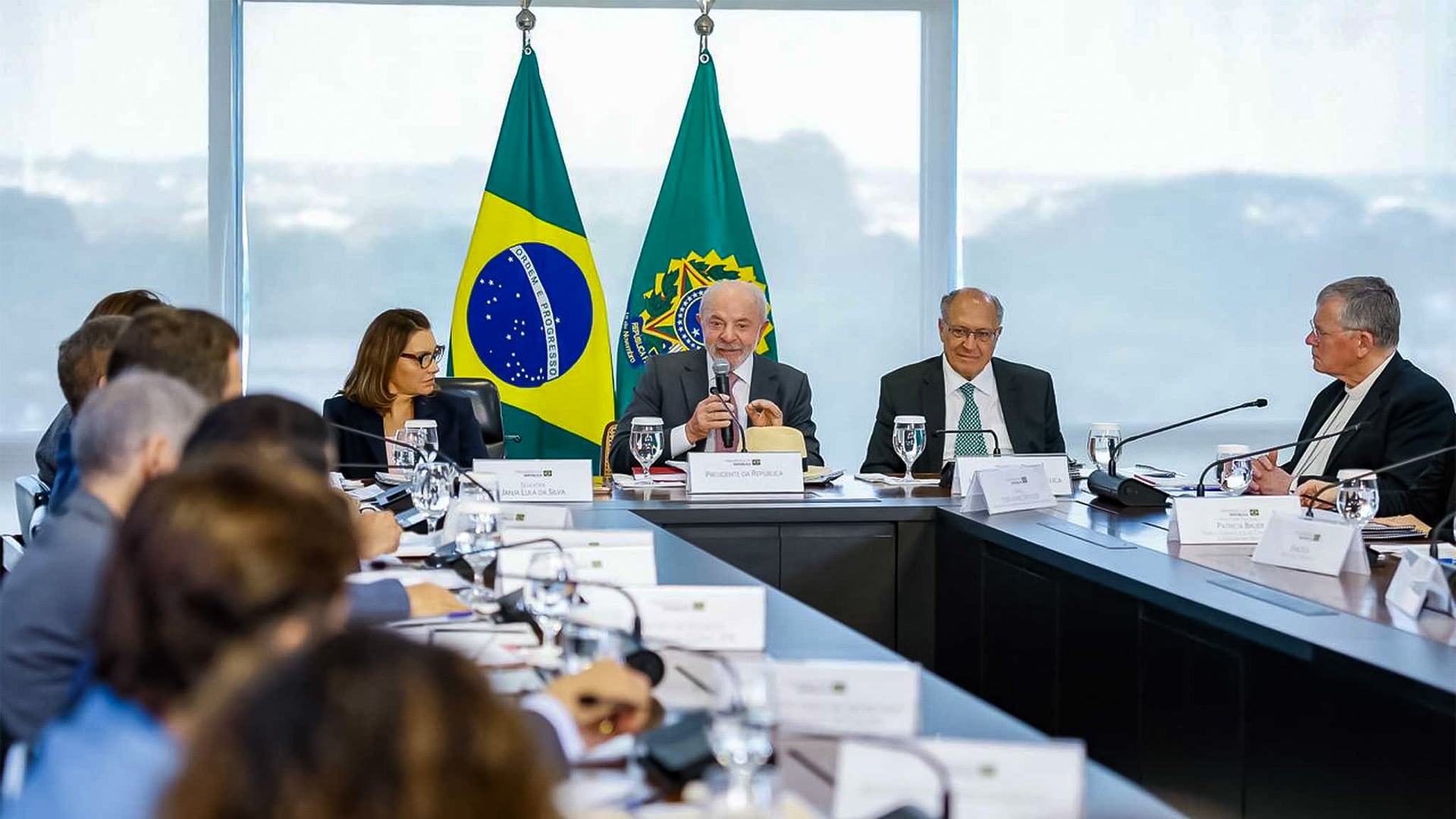
The online betting landscape in Brazil is bracing for significant changes as a provisional measure (MP) is set to be signed this Friday, September 25. This measure may impose a ban on betting activities across the country. President Luiz Inácio Lula da Silva is anticipated to reveal this decision during an event in São Paulo.
As he campaigns for re-election, Lula has made the opposition to online betting a cornerstone of his agenda, ramping up his critiques of the industry in recent weeks. On September 18, he declared his intention to “end betting” at an event in Guarulhos. Furthermore, during the United Nations General Assembly on September 22, he stated that Brazil “will not tolerate” a business model that he claims profits from addiction.
This crackdown comes just days before the first round of elections scheduled for October 4. Recent reports suggest that government officials view this measure as a response to the public's debt issues and a strategic move ahead of the elections. However, some members of the economic team have voiced concerns about the potential financial repercussions of a complete ban.
Finance Minister Dario Durigan has previously supported a more stringent regulatory framework while cautioning against the potential risks of an outright ban. In June, he expressed fears that such a prohibition could inadvertently bolster an illegal and unregulated market.
A key concern regarding the proposed ban is how it would affect companies that have received government authorization to operate in Brazil. The regulated betting market commenced in 2025, following a federal regulatory process. Companies that were granted licenses paid BRL 30 million (approximately USD 5.79 million) for the right to operate for five years. An abrupt termination of their authorized period could lead to disputes over refunds and compensation for lost investments and expected revenues.
The possibility of legal challenges has been a topic of discussion since the government began contemplating a ban on online casinos. The Brazilian Institute for Responsible Gaming (IBJR), which represents the sector, has publicly acknowledged the likelihood of contesting Lula’s MP in court.
Reports indicate that the government may not refund the BRL 30 million paid by each licensed company. A source within the government suggested that these companies “have already made a lot of money” and that acquiring the license was a business decision made by the operators. If this stance is included in the final version of the MP, it could become a focal point in any legal disputes.
Football is also a crucial element in this debate. A potential ban would disrupt a network of contracts linking betting companies with clubs, competitions, federations, broadcasters, and other sports stakeholders. In Brazil's top football league, over half of the clubs are sponsored by betting firms. This week, Grêmio became the latest club to announce a partnership with the Pitaco platform, raising the total number of clubs with betting sponsorships to 14, with investments exceeding BRL 1 billion (USD 192.6 million).
In light of the looming restrictions, clubs issued a joint statement last week advocating for the continuation of the regulated betting market. Teams such as Corinthians, Flamengo, Palmeiras, São Paulo, Vasco, and Cruzeiro argued that a sudden shift in regulations would jeopardize legally binding contracts and financial commitments made based on the existing regulatory framework.
The clubs believe the focus should be on combating illegal betting through enforcement and consumer protection measures, rather than dismantling the authorized market. Lula has responded to this manifesto, indicating that discussions will continue.