During the recent BiS SiGMA South America event held in São Paulo, a significant topic of discussion was the transformation of Brazil's betting market due to regulation, technology, and market conditions. As Brazil embarks on its journey as a regulated market, industry leaders are increasingly emphasizing the need to balance growth with sustainable practices.
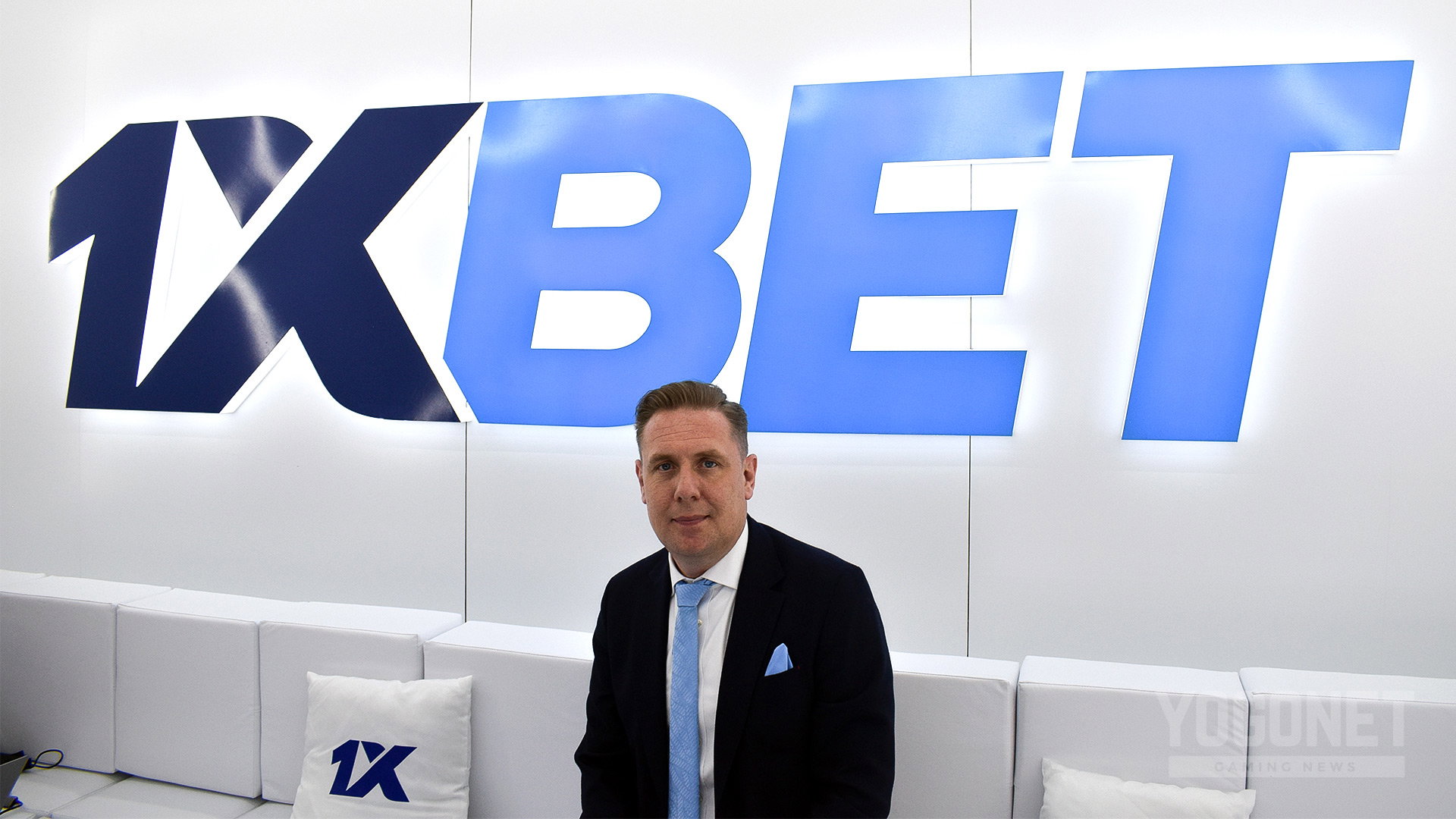
In light of these developments, Yogonet had the opportunity to interview Simon Westbury, Strategic Advisor at 1xBet. He shared his views on the critical nature of collaboration with regulators, the dangers of excessive regulation, and the changing landscape of player protection and education. The dialogue also explored global operational hurdles and emerging trends, such as prediction markets, offering a comprehensive outlook on the industry's future.
Westbury highlighted the importance of maintaining communication with regulators while being cautious not to exert undue influence. He pointed to Brazil as a prime example of effective regulatory dialogue, noting that the current framework is functioning well due to constructive engagement between the industry and government.
However, he warned that as the market matures, there is a tendency for regulations to tighten, similar to trends observed in Western Europe. Brazil is already witnessing discussions about potential sponsorship bans, tax increases, and the introduction of a betting tax, which could complicate matters for licensed operators.
Offshore operators, who do not face the same regulatory pressures, could gain an advantage. For instance, influencers play a significant role in promoting offshore markets with better odds, creating an uneven competitive environment for regulated operators who may face restrictions.
Taxation is another critical concern. While operators understand that taxes are a necessary part of business, high tax rates in the 20-30% range can hinder the competitiveness of licensed operators. Westbury emphasized that while Brazil serves as a strong example of collaboration, there are valid concerns regarding the future trajectory of regulations.
When asked if Brazil could serve as a model for other markets, Westbury acknowledged that it could, but with caveats. He referred to the current phase as a 'honeymoon period' and noted that there are valuable lessons to be learned, particularly in terms of player protection, which is well integrated into Brazilian regulations.
Nonetheless, he stressed that each regulatory framework must cater to its unique market conditions. He compared this to their product strategy, where offerings differ significantly between Brazil, Africa, and Western Europe.
Rather than seeing Brazil as a one-size-fits-all benchmark, Westbury suggested that certain adaptable elements, like player protection, could be beneficial. He noted that in some markets, player protection remains largely the responsibility of operators, and the industry has not always excelled in this area. Establishing clearer, standardized definitions of player protection could enhance the situation.
Positive developments are also emerging in Latin America. According to the International Player Safety Index, 69% of operators in the region utilize real-time monitoring, and 34% employ AI technology, surpassing Western Europe in adoption rates. KYC compliance is also high at around 84%, placing Latin America at the forefront globally.
In summary, while progress is evident, the challenge remains to avoid a regulatory environment overly focused on taxation that could drive players to offshore options.
Additionally, Westbury addressed the issue of public perception regarding the gambling industry in Brazil, particularly given the lack of a strong land-based gaming tradition. He believes that emphasizing player protection could help reshape the industry's image as safe and responsible.
Altering public perception is a complex task. Westbury noted that a significant hurdle is the inherent nature of betting, where players often wager against the house, leading to perceptions of unfairness. While player protection is vital, it is only one aspect of a broader solution aimed at fostering a safer betting environment.