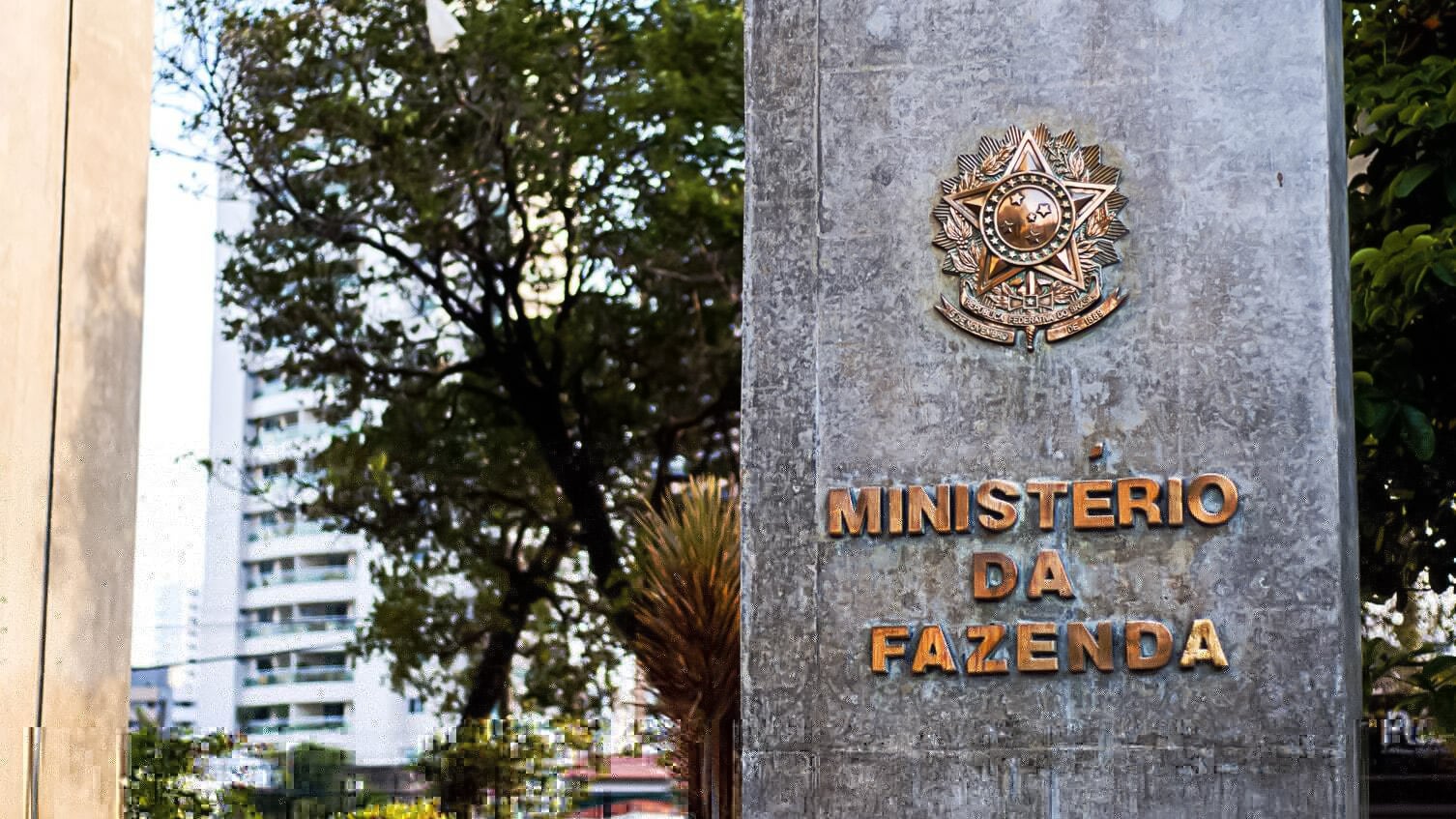
The Brazilian Ministry of Finance is ramping up its efforts against illegal betting by implementing automated website blocks, asset freezes for operators, and new regulations targeting financial transactions related to unauthorized gambling.
During a recent hearing at the Chamber of Deputies, Carlos Renato Resende, the undersecretary for Monitoring and Enforcement in the ministry’s Prize and Betting Department, revealed that over 60 illegal betting sites have already been blocked. This initiative, which began manually in January of last year, has transitioned to an automated process as of October.
Additionally, the ministry is working on measures that would enable the freezing of assets belonging to illegal operators, allowing victims of fraud to claim reimbursement from the funds that have been blocked.
“When funds are blocked, consumers affected can come forward to prove their ownership of a portion of that money for reimbursement,” Resende explained. “If the legal entity fails to demonstrate the lawful origin of the funds by the end of the process, those funds will be forfeited to the Brazilian State and redirected to the National Public Security Fund to aid in combating crime.”
The Ministry is also collaborating with the National Financial System to develop further regulations, with an announcement anticipated this month. The recently enacted Anti-Faction and Organized Crime Law has introduced measures to prevent illegal betting from being utilized for money laundering purposes.
Some of these actions align with recommendations from the Brazilian Federal Court of Accounts (TCU) under Ruling 1296/26, which was approved in May. Wesley Vaz, the TCU’s secretary of External Governance Control, emphasized the need for coordinated efforts among the Ministry of Finance, Central Bank, Federal Revenue Service, National Telecommunications Agency (Anatel), and Federal Police.
“The state must enhance its efforts to block domain names, disrupt financial flows, and penalize illegal operators,” Vaz stated.
This enforcement initiative coincides with new findings from the Locomotiva Institute, which estimates that illegal betting constitutes between 38% and 41% of Brazil’s market, a decrease from the previous estimate of 41% to 51%.
“This indicates an 11% reduction in the illegal market, which is positive news. However, the concerning aspect is that compared to other jurisdictions, Brazil still has a significant illegal market,” remarked Eric Brasil, director of LCA Consultoria.
The survey, conducted in May among 2,291 participants nationwide and released recently, shows Brazil lagging behind several other markets in its efforts to reduce illegal betting. Ireland has the lowest rate at 3%, while Brazil is still behind countries like Australia at 15% and Mexico at 20%.
Deputy Julio Lopes (PP-RJ), who coordinates the Chamber’s External Committee on Acts of Piracy, commented, “While the decrease is modest, it is still a cause for celebration. Any progress against irregularities, smuggling, piracy, and tax evasion should be acknowledged.”
Resende warned that total eradication of unauthorized activities is improbable. “No illegal market has been completely eliminated anywhere in the world,” he noted. “In Brazil, we face similar challenges with other markets affected by piracy.”
Fixed-odds betting has been legal in Brazil since 2018 under Law 13.756/18, and the Betting Law passed in 2023 has introduced additional mechanisms for state oversight.