This week, the American Gaming Association (AGA) utilized a U.S. Senate hearing to express serious concerns regarding the swift growth of sports prediction markets. The AGA contends that these markets are operating as national sports betting platforms without adhering to the regulatory frameworks established following the repeal of PASPA.
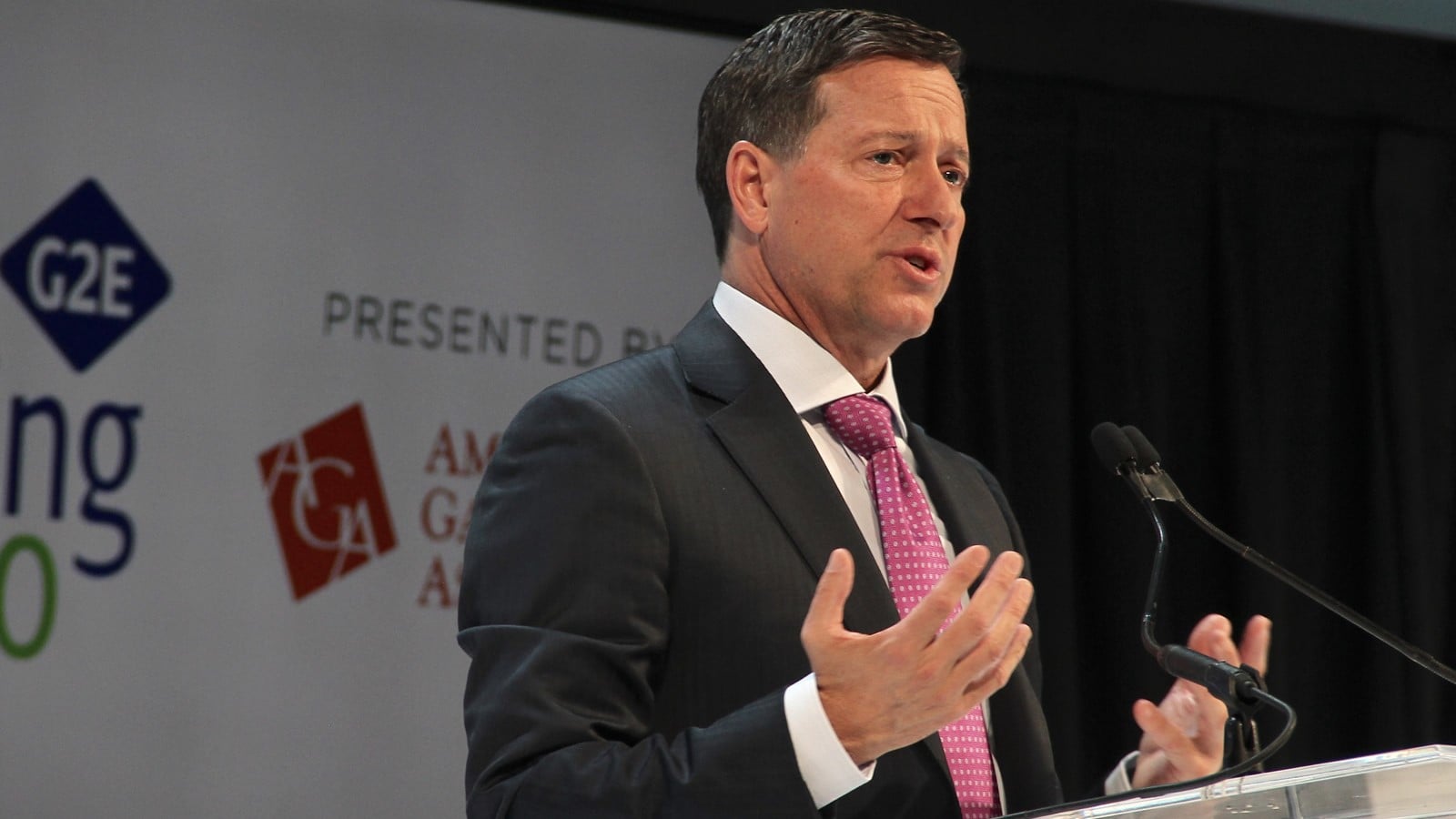
During his testimony before the Senate Commerce Committee’s Subcommittee on Consumer Protection, Technology, and Data Privacy, AGA President and CEO Bill Miller highlighted that operators of prediction markets are essentially “repackaging” sports betting as financial instruments, circumventing state gaming regulations, responsible gaming commitments, and tribal agreements.
Miller stated, “These products function as sports betting in every meaningful sense,” during the hearing titled “No Sure Bets: Protecting Sports Integrity in America.” He emphasized that consumers are wagering money on the outcomes of sports events and player performances.
This testimony arrives as firms like Kalshi are expanding their sports event contracts across the U.S. under the supervision of the Commodity Futures Trading Commission (CFTC), which has sparked increasing resistance from gaming regulators, tribal organizations, and state officials.
Miller noted that sports betting now constitutes around 86% of Kalshi’s business, a significant increase from nearly nonexistent levels just two years prior. “In 2024, sports-related activity on Kalshi represented just $227,000 in volume,” he explained. “Today, sports betting accounts for approximately 86 percent of their business and has already generated over $47 billion in trading volume this year alone.”
The AGA leader expressed that the rapid proliferation of sports prediction markets poses a threat to the regulated gaming framework that states and tribes established after the Supreme Court’s 2018 ruling that overturned PASPA.
Since that decision, 39 states and Washington D.C. have legalized sports betting through systems that include licensing, geolocation controls, responsible gaming mandates, anti-money laundering protocols, and integrity monitoring.
Throughout the hearing, Miller consistently framed prediction markets as a means to bypass state-level regulations through federal commodities law. “Sports betting is being repackaged as a financial product, avoiding consumer protections, responsible gaming standards, and the state and tribal regulatory frameworks established post-PASPA,” he stated.
The testimony also placed significant emphasis on tribal sovereignty, with Miller arguing that federally regulated prediction markets could jeopardize gaming compacts and revenue structures that tribes have developed over decades under the Indian Gaming Regulatory Act.
“For many tribal governments, gaming revenue is a vital funding source,” Miller remarked, noting that tribal gaming generated over $16 billion in 2025 for healthcare, education, infrastructure, and government services.
The AGA also raised alarms about consumer protections and responsible gaming standards, particularly regarding age limits. While most legal sportsbooks require bettors to be at least 21 years old, prediction market platforms typically allow participation from individuals aged 18 and older.
Miller pointed out that nearly half of all digital sports betting advertising impressions now originate from prediction market companies, despite these platforms not being subject to the same responsible gaming advertising regulations that licensed sportsbooks must follow. “These platforms are aggressively marketing sports event contracts using language that blurs the line between investing and gambling,” Miller concluded.