The latter half of the year is poised to witness a series of strategic advancements within the U.S. casino industry, primarily focusing on ongoing projects. While the overall market may not expand significantly, these initiatives are expected to redefine performance standards in specific areas, especially where new offerings align with established demand.
From the perspective of operators, the emphasis is shifting towards optimizing assets, enhancing competitive positioning, and refining revenue streams. Each initiative is crafted to create a measurable impact at the property level. Consequently, the significance of these developments lies more in their potential to transform local market dynamics, capture additional demand, and bolster market share in targeted regions.
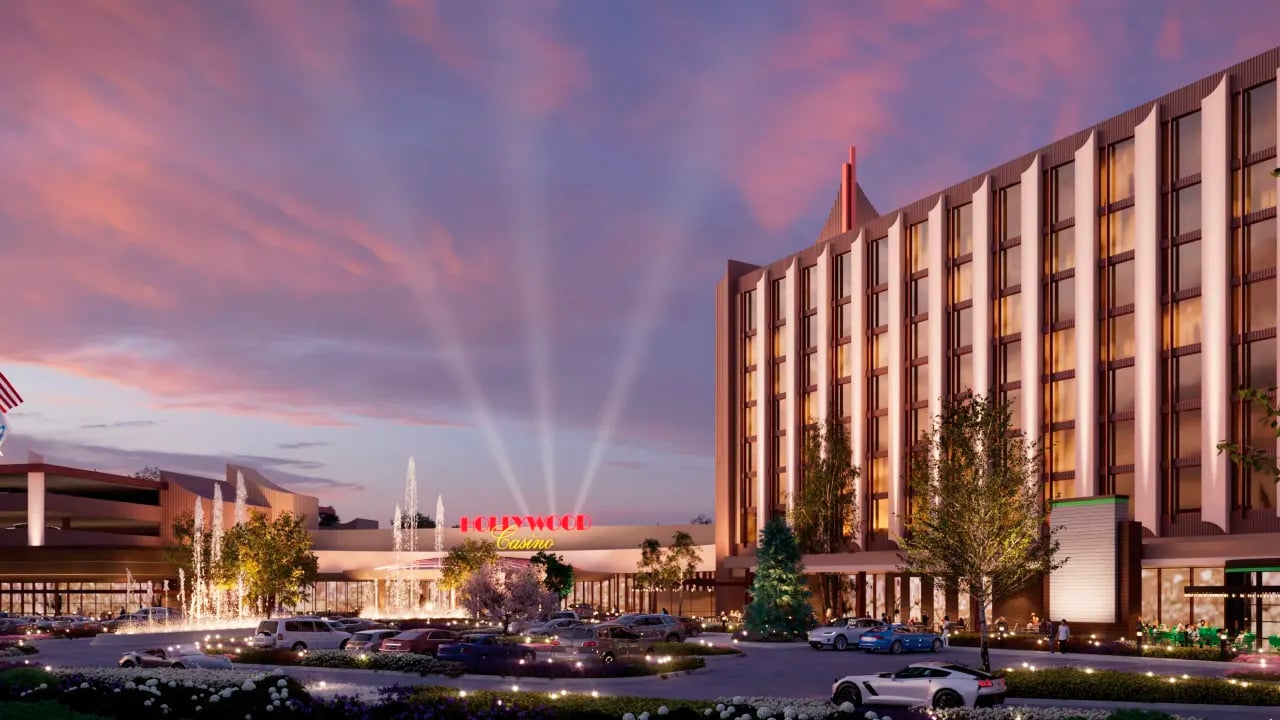
A notable milestone is set for June 24, with the launch of Hollywood Casino Aurora, a project by PENN Entertainment. In communications with investors, CEO Jay Snowden described this venture as a move towards establishing a “premium entertainment destination” in the Chicago area, emphasizing improved accessibility and a wider array of amenities compared to the previous riverboat model. Earlier in June, on the 12th, PENN is also slated to inaugurate a new hotel at Hollywood Casino Columbus, underscoring the company's commitment to enhancing existing properties through focused investments.
In the Midwest, various projects are contributing to a consistent rise in regional activity. Ho-Chunk Gaming Beloit aims for a September 2026 opening, with local leadership positioning it to attract cross-border visitors and boost tourism. In Iowa, Cedar Crossing Casino is on track for a late 2026 completion, backed by municipal planning that integrates the project into a broader economic framework. Collectively, these developments indicate a more competitive landscape in secondary markets, where incremental supply can significantly influence outcomes.
In California, operators are concentrating on refining offerings within established demand pools. The ongoing enhancements at Graton Resort & Casino include the introduction of a large smoke-free gaming area, aligning with efforts to improve guest experiences across diverse customer segments. Meanwhile, North Fork Mono Casino & Resort is projected to open in 2026, with official communications underscoring its anticipated role in job creation and expanding the Central Valley market.
In the southern U.S., expansion strategies are increasingly focused on enhancing the overall resort experience. The new hotel tower at Coushatta Casino Resort, expected to open in May, is viewed by general manager Nate Tanner as part of a long-term investment in the property's future, aimed at attracting overnight guests and group business. Similarly, Hard Rock International continues to prioritize the development of destination-style venues that blend gaming with hospitality and entertainment, as seen in projects like Lake Texoma.
In Nevada, particularly Las Vegas, the 2026 calendar does not foresee significant new casino openings; however, the market remains vibrant due to ongoing reinvestment. Operators are directing funds towards room renovations, gaming floor enhancements, and premium experience upgrades, responding to shifting customer expectations and a competitive landscape shaped by high-value visitors. Additionally, large-scale projects like the transformation of the former Mirage by Hard Rock International—set for a later opening—are already affecting investment strategies along the Strip.
A similar trend is evident in Atlantic City, where operators are advancing targeted capital initiatives. In early 2026, executives at Hard Rock Hotel & Casino Atlantic City confirmed a $50 million investment focused on room upgrades and new amenities, with plans to enhance the overall guest experience.